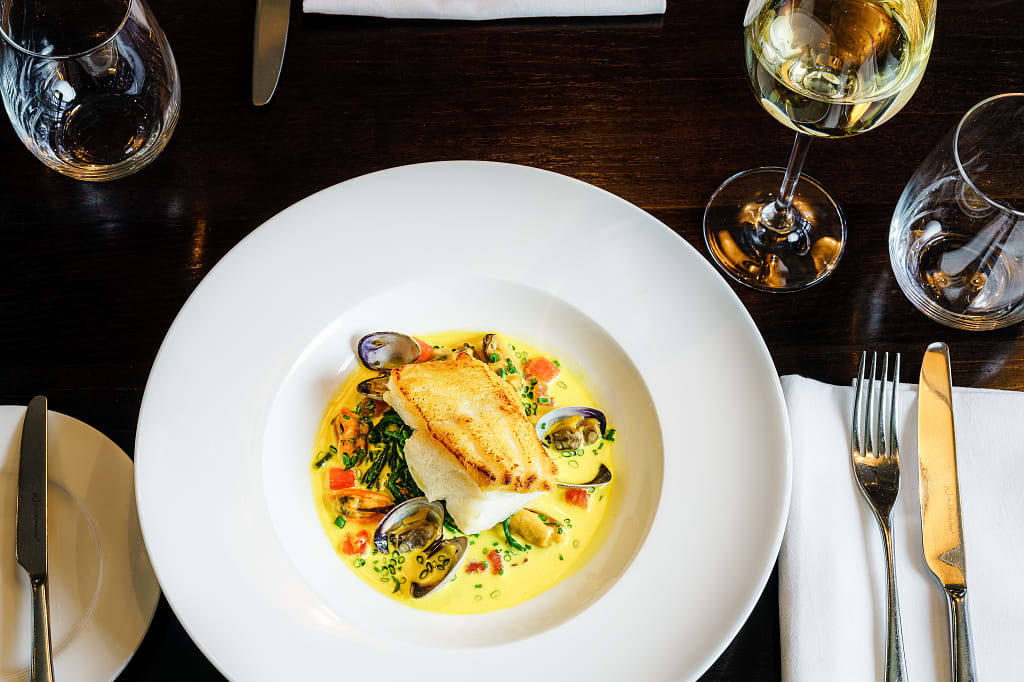
16 Best Food and Wine Destinations in Europe

Vineyards in southwestern France

Vineyards in southwestern France

The best food and wine destinations in Europe invite you to taste how culture and landscape become flavor, turning every sip and bite into a story about the place you are visiting. Whether you are drawn to reds aged in clay vessels, coastal whites, or multi‑course tasting menus, each destination offers a distinct reason to savor Europe at its most delicious.

Across the continent, histories differ, but they are intertwined through trade routes, empires, and the landscapes that nurture vineyards, orchards, and coastal fisheries. You might pair aged Chianti with pecorino in a hilltop village, follow terraced vines down to the Douro River, or wander medieval lanes in Castilla y León with the aroma of roast lamb in the air. In each case, the flavors you discover explain why the region has earned its place on the gourmet map: the soils, the climate, and the people behind every bottle and dish. From dramatic hanging vineyards to plains draped with vines, this collection highlights why these destinations matter for luxury travelers seeking depth, authenticity, and pleasure in every course.

Extraordinary travel begins with a human touch and our destination experts design every journey with meticulous care and attention to detail. From your first conversation about a dream culinary itinerary to the balance of winery visits, market strolls, and long dinners, Zicasso ensures your trip is tailored to your tastes. With a dedicated specialist who understands the nuances of each region, every detail can be fine‑tuned to your preferences, transforming iconic flavors into personal memories and allowing you to savor Europe’s food and wine at a pace that is indulgent and effortless.

1. Tuscany, Italy

Tuscan countryside from the town of Montepulciano, Italy
Tuscan countryside surrounding Montepulciano, Italy

Tuscany is one of Europe’s essential food and wine destinations because it shows how everyday ingredients and centuries‑old viticulture come together in a way that is simple and profound. From shoreline trattorias to hilltop estates, you taste how Sangiovese, pecorino, olive oil, and seasonal produce form a language locals speak and visitors can learn plate by plate. Exploring Tuscany’s best cities for food, you quickly sense that eating well here is a way of life, not a trend

For luxury travelers, Tuscany’s appeal lies in the combination of high‑level craftsmanship and an unhurried pace. Private estate tastings, farmhouse kitchens, and Michelin‑starred dining rooms all tell stories of patience in the vineyard, respect in the kitchen, and enough time at the table to appreciate what is in front of you.

  • Scenic hillsides: Wander through rolling landscapes draped in vineyards and cypress trees, understanding that the gentle curves, elevation, and exposure are exactly what give Chianti and Vino Nobile their tension, ripeness, and sense of place.
  • Chianti depths: Raise a glass of Chianti and taste cherry, herbs, and gentle tannin, recognizing why this Sangiovese‑based red is the backbone of Tuscan cuisine. It is versatile enough for everyday meals and layered enough to elevate candlelit dinners.
  • Montepulciano elegance: Sample Vino Nobile di Montepulciano, whose darker fruit and subtle spice pair naturally with rich meat sauces and grilled steaks, illustrating how local reds are built around the region’s most comforting dishes.
  • Market discoveries: Browse markets piled with pecorino, wild mushrooms, and fragrant herbs, then cook in a farmhouse kitchen, seeing how a handful of ingredients and a good wine become Tuscan through quality and care.
  • Michelin evenings: Slip into a Michelin‑starred dining room where tasting menus reinterpret rustic staples, proving that Tuscany belongs on a global culinary stage precisely because it can turn humble flavors into refined, nuanced courses.

Learn more: Tuscany tours and vacationsTuscany travel guide

2. The Douro Valley, Portugal

Douro Valley, Portugal

The Douro Valley is a cornerstone of European wine travel because it shows how extreme landscapes can produce wines with equally intense personality. As one of Portugal’s best wine regions, its terraced vineyards cling to steep hillsides above a winding river, making every grape a product of hard physical work and precise tradition.

For food and wine travelers, the Douro is compelling because its Port and table wines are inseparable from robust, soulful cuisine. Clay pots, charcoal grills, and slow‑cooked rice dishes tell you that this is a region where flavors are expected to stand up to fortified wines and structured reds, and do so beautifully.

  • Terraced panorama: Pause on hillside terraces overlooking stone‑walled vineyards that cascade down to the Douro, realizing that the geometry of terraces and river reflections is what concentrates sunlight, controls drainage, and ultimately shapes the wines’ intensity.
  • Port tradition: Taste ruby and tawny Port to understand why fortification and aging are more than techniques; they are the valley’s way of preserving fruit richness and layering dried fruit, nut, and caramel notes into something unmistakably Douro.
  • River cruises: Lounge on a private boat, gliding past rabelo barges and quiet villages while sampling local wines. Notice how the slow movement of the river mirrors the patience required to age and blend Port properly.
  • Arroz de cabidela: Try arroz de cabidela, with its tangy, blood‑enriched sauce, and see why this deep, savory dish is such a natural companion to the valley’s reds, both built on intensity and rewarding slow, thoughtful eating.
  • Posta a mirandesa: Cut into posta a mirandesa, charcoal‑grilled and marinated for tenderness, tasting how smoke, fat, and structure come together with Douro wines to create one of Europe’s great meat and red‑wine pairings.

Learn more: Portugal tours and vacations

3. Bordeaux, France

La Bourse square in Bordeaux, France

Bordeaux is indispensable on any European food and wine map because it codified much of what the world thinks of as fine wine in appellations, blends, and long cellaring. At the same time, its kitchens offer the kind of hearty, sauce‑driven cooking that shows exactly why those wines were designed as they are. As one of the top places in France for the winter, Bordeaux feels particularly luxurious when temperatures drop and rich plates and generous pours take center stage.

For luxury travelers, Bordeaux matters because it marries strict tradition with modern creativity. You taste classic cabernet‑merlot blends beside contemporary bistro menus, seeing how the region continues to evolve while holding onto the reasons its wines became benchmarks in the first place.

  • Château tastings: Step into grand châteaux where oak‑aged blends of cabernet and merlot unfold in layers of cassis, cedar, and silk, experiencing why the structure and polish of Bordeaux reds set the standard for food‑pairing wines worldwide.
  • Hearty classics: Linger over confit duck or slow‑braised beef, noticing how the depth and richness of these dishes are calibrated to meet Bordeaux’s tannins and acidity, not overshadowed by them.
  • Winter warmth: Savor stews and gratins in snug bistros, understanding that for locals, a cold evening is an invitation to lean into texture, sauce, and wine rather than retreat from indulgence.
  • Riverfront strolls: Stroll along the Garonne and stop at wine bars for a single glass of claret with charcuterie, appreciating how even casual pairings feel elevated when the wine is this finely tuned.
  • Village markets: Explore nearby villages and markets, gathering ingredients for a private chef’s dinner that shows how Bordeaux’s reputation as a culinary muse begins with what is seasonal and local.

Learn more: France tours and vacations

4. Eger, Hungary

Eger, Hungary
Eger, Hungary

Eger earns its place among Europe’s best food and wine destinations by offering something many travelers do not expect: serious, characterful wines in a region that still feels like a discovery. Its Baroque squares, Ottoman echoes, hilltop fortress, and blankets of vineyards give context to reds and whites that tell a story of resilience and quiet ambition.

For luxury travelers, Eger’s charm lies in the sense of joining a conversation locals have been having for generations rather than stepping onto a crowded stage. You taste wines deeply tied to legend and land alongside paprika‑spiced dishes that anchor those flavors in everyday comfort.

  • Valley cellars: Descend into rhyolite tuff caves glowing with amber light, where more than 200 cellars line the Valley of the Beautiful Woman, and understand that these carved spaces are as much part of the wine’s identity as the grapes themselves.
  • Egri Bikavér: Savor Egri Bikavér, Bull’s Blood, recognizing that its dark fruit and gentle spice go beyond tasting notes to reflect a blend designed to symbolize strength and endurance.
  • Food pairings: Enjoy local meats and stews warmed with paprika, seeing how spice, fat, and slow cooking create exactly the kind of dishes that Eger’s reds were made to support.
  • Historic streets: Wander between Baroque churches and Ottoman minarets, pausing for a glass of wine and feeling how Eger’s history infuses each sip with more meaning.
  • Castle views: Climb to the hilltop fortress for vineyard and town views and realize that this panorama, architecture, vines, and sky together, is why Eger feels complete as a food and wine destination.

Learn more: Hungary tours and vacations

5. Castilla y Léon, Spain

Salamanca, Spain
Salamanca, Spain

Castilla y León belongs on any serious list of European food and wine destinations because it shows, in very concrete terms, how robust red wines and slow‑roasted meats can define a region’s identity. In cities like Salamanca and villages scattered across the plateau, Tempranillo and traditional roasts are less specialties than shared rituals.

For luxury travelers, this region matters because it offers some of Spain’s most satisfying combinations of landscape, architecture, and comfort food. Jagged peaks, wheat fields, and fairytale towns set the scene for lamb, suckling pig, and Tempranillo that together feel archetypally Spanish and deeply specific.

  • Tempranillo reds: Swirl dark‑garnet Tempranillo and taste black fruit, tobacco, and earth, understanding why these wines are such natural partners for rustic Castilian plates; they add structure and complexity without overwhelming simplicity.
  • Roast lamb: Carve into slow‑cooked lamb, the crisped skin and yielding meat built around garlic, rosemary, and pan juices, and see why this dish is considered a benchmark for pairing with the region’s reds.
  • Suckling pig: Taste suckling pig whose glass‑like skin shatters under your fork, noticing how the richness of the meat finds balance in local salads and bright, carefully chosen wines.
  • Medieval ambiance: Explore medieval villages and taverns where simple, generous plates arrive with wines that quietly astonish, revealing that in Castilla y León, the best often hides in unpretentious settings.
  • Castle horizons: Drive past isolated castles rising from plains and wheat fields and feel how the drama of the landscape reinforces the sense of sturdiness and depth in the food and wine.

Learn more: Spain tours and vacations

6. Santorini, Greece

Vineyards and farmland in Santorini, Greece

Santorini is a must‑visit food and wine destination in Europe because its volcanic terroir shapes flavors in a way you can taste immediately. Its vineyards are among the oldest in Europe and the basket‑trained vines, sea breezes, and mineral‑rich soils give Assyrtiko and local produce a clarity and intensity that feel unmistakably of this island.

Santorini stands out for high-end travelers because it combines world‑class views with wines and dishes that are far more than backdrop. The caldera sunsets may draw you in, but it is the saline whites, concentrated tomatoes, and fava that explain why this island is as much a culinary destination as a visual one.

  • Assyrtiko whites: Sip Assyrtiko and taste citrus, stone, and salt, realizing that this wine captures the island’s volcanic and maritime character in a single glass.
  • Volcanic fields: Walk among basket‑trained vines close to the ground and see how this method protects grapes from wind and sun, making the cultivation itself part of the story behind every bottle.
  • Island produce: Eat Santorini tomatoes, fava puree, and grilled octopus, noticing how volcanic minerals give even simple ingredients a concentrated flavor that needs very little adornment.
  • Cliffside tastings: Sample flights on caldera terraces as the sky shifts color, understanding that here, the setting and the wine are deliberately in conversation.
  • Capital pairings: Connect Santorini’s wines with Athens’ urban energy on a combined journey, discovering why tasting your way through both is one of the top things to do in Santorini and Athens.

Learn more: Santorini and Athens tours and vacationsGreece travel guide

7. Istria, Croatia

Vineyards surrounding Motovun, Croatia

Istria earns its place among Europe’s best food and wine destinations by acting as a crossroads between Italian, Central European, and Balkan influences, all expressed through intensely local ingredients. In this heart‑shaped peninsula, truffles, olive oil, honey, Malvazija, and Teran combine into a cuisine that seems familiar and distinctly Istrian.

For luxury travelers, Istria matters because it offers high‑quality flavors in relaxed village settings rather than in overtly showy environments. You find world‑class truffles and serious wines in stone taverns and on farm roads, making indulgence feel rooted rather than performative.

  • Honey and oil: Drizzle peppery extra‑virgin olive oil over bread and pair it with wildflower honey, discovering that in Istria, luxury often lies in simple combinations executed perfectly.
  • Istrian truffles: Eat pasta or eggs topped with shaved white or black truffles and discover why this region rivals more famous truffle destinations; its forests and microclimates produce aromas that can transform the simplest dish.
  • Mediterranean wines: Taste Malvazija and Teran to see how crisp, aromatic whites and robust reds each express different sides of Istria’s Mediterranean and continental climates.
  • Village taverns: Dine in stone villages with open‑hearth grills and handwritten menus, where the intimacy of the setting underlines the authenticity of the flavors.
  • Food tours: Join private tastings and vineyard visits, one of the top experiences in Croatia, and let local experts explain why this small region has become a quiet powerhouse on the gourmet map.

Learn more: Croatia tours and vacationsCroatia travel guide

8. Burgundy, France

Vineyards around Solutre Rock in Burgundy, France

Burgundy is non‑negotiable in any discussion of European food and wine because it represents the purest expression of terroir‑driven wine in France. Pinot noir and chardonnay are not generic varieties but precise reflections of slope, soil, and aspect. At the same time, the region’s dishes, among them boeuf bourguignon and coq au vin, show why these wines needed to be nuanced, structured, and age‑worthy.

Burgundy is compelling because it feels scholarly and comforting. You can spend a day parsing vineyard differences and then sit down to a stew that simply makes sense of everything you have learned.

  • Boeuf bourguignon: Dip your spoon into beef braised in red wine with onions, mushrooms, and bacon, discovering why this dish is a perfect demonstration of Burgundy’s philosophy of wine as an ingredient as well as a pairing.
  • Coq au vin: Savor coq au vin, where chicken stewed in Burgundy wine becomes silky and deeply flavored, embodying the idea that time and patience are the region’s quiet luxuries.
  • Chablis precision: Taste Chablis and understand how cool climate and limestone translate into flinty, citrus‑lined whites that elevate oysters and delicate fish without overpowering them.
  • Local produce: Shop village markets for cheeses, poultry, and vegetables, recognizing that Burgundy’s global reputation begins with what locals put in their baskets.
  • Signature accents: Try Dijon mustard and crème de cassis, whose punch and sweetness have become essential building blocks in both home cooking and high cuisine.

Learn more: France travel guide

9. Rhone Valley, France

Winegrowers in vineyard at sunset

The Rhône Valley deserves its place among Europe’s top food and wine destinations because it offers a complete spectrum of styles: northern syrah, southern Grenache blends, and a cuisine that knows exactly what to do with them. From hilltop villages to riverfront towns, you taste how spice, herb, and slow cooking have informed the wines’ structure and generosity.

For luxury travelers, the Rhône’s appeal lies in its combination of approachable villages and world‑class bottles. You can drink labels known worldwide in bistros where the food is designed to let the wines shine.

  • Northern syrah: Discover dark, peppery syrah with notes of black olive and smoked meat and understand why these wines feel tailor‑made for game, char‑grilled dishes, and robust sauces.
  • Southern blends: Sip grenache‑based blends rich in berry and spice, discovering how their warmth and softness pair perfectly with stews and slow‑roasted meats.
  • Village dining: Eat in golden‑stone villages where herb‑laden plates highlight the garrigue flavors echoed in local wines.
  • River views: Spend afternoons on terraces overlooking the Rhône and pair charcuterie and cheese with glasses that reflect sun and soil as much as grape.
  • Culinary heritage: Follow routes linking chocolatiers and bakers and see how a culture of gourmandize shapes everyday life.

Learn more: Top things to do in France

10. Piedmont, Italy

Serralunga d'Alba and surrounding vineyards in the Piedmont region in Italy

Piedmont is essential on a European food and wine list because it pairs some of Italy’s most powerful reds, Barolo and Barbaresco, with a cuisine that revels in cream, butter, and truffles. It shows you how intensity in the glass can meet richness on the plate without either feeling heavy when handled well.

For luxury travelers, Piedmont provides a sense of seasonal ritual, white truffles in autumn, robust sauces in cooler months, and Nebbiolo that demands patience and rewards it with layers of perfume and structure.

  • Barolo power: Taste Barolo and recognize that its rose, tar, and firm tannins are designed for dishes that can stand beside them, including braises, roasts, and truffle‑crowned plates.
  • Barbaresco grace: Compare Barbaresco and appreciate its more approachable youth, red fruit, and floral lift, a wine that still demands respect but can be enjoyed earlier in its life.
  • Barbera versatility: Drink Barbera and see why locals consider it an everyday red. It’s bright, juicy, and adaptable enough to pair with pizza, stews, and everything in between.
  • Truffle season: Eat risotto or eggs topped with white truffle shavings and understand why this fleeting perfume is a defining Piedmont luxury, more about aroma and memory than ostentation.
  • Cream sauces: Enjoy sauces built on cream and butter, noting how Piedmont leans into comfort and richness, and why its wines need structure and acidity to keep meals in balance.

Learn more: Italy food and wine toursItaly food and wine travel guide

11. South West, England

Fresh seafood dinner in London

England’s South West earns a place among Europe’s food and wine destinations because it quietly disproves old clichés about British food. Vineyards, farm‑to‑table restaurants, and coastal kitchens show how climate and craft have shifted, making the region a serious player in sparkling wine and modern cuisine, especially at the best time to visit England.

For luxury travelers, the South West offers a mix of familiar comfort and new discovery, countryside pubs, cliff walks, and seaside plates that are grounded and surprisingly refined.

  • English sparkling: Taste traditional‑method sparkling wines with fine bubbles and crisp acidity and realize why comparisons to Champagne are no longer far‑fetched.
  • Farm fresh: Dine on vegetables, cheeses, and meats from nearby farms and see how short supply chains translate into vivid flavors on the plate.
  • Coastal seafood: Eat oysters, scallops, and line‑caught fish prepared simply, letting the natural sweetness align with bright local whites.
  • Countryside pubs: Relax in inns where seasonal menus pair slow‑roasted joints and inventive vegetarian dishes with English wines or ciders.
  • Cliff walks: End coastal walks with a chilled glass on a terrace overlooking the sea, turning effort into effortless pleasure.

Learn more: England tours and vacationsEngland travel guide

12. Galicia, Spain

Pulpo a Feira, market style octopus, in Galacia, Spain

Galicia belongs on Europe’s gourmet map because it redefines expectations of Spanish food and wine. With its own language, deep ties to the Atlantic, and strong Celtic echoes, it offers Albariño and seafood in a setting where ocean and vineyard sit side by side, as highlighted among Spain’s best wine regions.

Galicia matters because it offers purity, simple preparations, vibrant whites, and landscapes that are lush and maritime rather than arid. You taste the Atlantic directly in the glass and on the plate.

  • Albariño whites: Sip Albariño and taste citrus, peach, and saline notes, understanding that this wine is essentially a distilled version of Galicia’s coastal climate.
  • Red earthiness: Try local reds with earthy, spicy character that anchor seafood‑heavy meals and give them grounding.
  • Seafood bounty: Feast on clams, mussels, and grilled fish prepared simply, letting freshness and texture carry the meal.
  • Celtic touches: Notice Celtic crosses and ancient forts, adding cultural depth to the experience and reminding you that Galicia’s story is distinct within Spain.
  • Valley vines: Travel through green valleys where vineyards cling to hillsides and learn how cooler temperatures give local wines their lift and structure.

Learn more: Spain travel guide

13. Alentejo, Portugal

Vineyards of the Alentejo Region, Portugal

Alentejo is a key European food and wine destination. It combines ancient clay‑pot traditions with a modern sense of scale, with more than 250 vintners working in a relatively compact area. As one of the best places in Portugal beyond Lisbon and Porto, it shows how quantity and quality can coexist when guided by long‑standing customs.

For luxury travelers, Alentejo offers a feeling of spaciousness, big skies, quiet plains, cork oaks, and wines and dishes that match that generosity without becoming heavy.

  • Clay‑aged wines: Taste wines matured in talhas, clay amphorae, noticing their plush, earthy texture and connection to Roman methods that have never really left.
  • Crisp whites: Drink floral, refreshing whites that cut through the richness of local dishes, proving that Alentejo is not only about weight and warmth.
  • Succulent pork: Eat slow‑cooked pork, often caramelized at the edges, and see how the region’s reds and whites can play roles at the same table.
  • Rural calm: Wander plains dotted with cork oaks and whitewashed towns and feel how quiet surroundings focus attention on what is in your glass and on your plate.
  • Beach escapes: Balance inland tastings with golden beaches, adding a saline, breezy dimension to an otherwise earthy food and wine journey.

Learn more: Portugal travel guide

14. Mosel, Germany

Vineyards in Zeltingen-Rachtig in the Mosel Valley, Germany

The Mosel Valley is indispensable in European wine travel because it produces rieslings that can be among the most expressive whites in the world across a remarkable sweetness spectrum. Roman ruins, castles, and steep slate slopes give context to wines whose acidity and aromatics make them ideal partners for simple and elaborate dishes, and tasting them is one of the best experiences to have in Germany.

For luxury travelers, Mosel’s charm lies in delicacy, wines that are powerful yet light, villages that feel storybook, and food that is calibrated to showcase nuance rather than force.

  • Riesling spectrum: Sample rieslings, from dry to lusciously sweet, and understand how slate, slope, and harvest decisions create a wide range of styles that still feel distinctly Mosel.
  • Village charm: Walk half‑timbered streets and taste flights that highlight subtle differences between neighboring vineyards, showing how terroir becomes tangible.
  • Castle silhouettes: Raise a glass with hilltop castles in view, letting the setting's romance enhance the experience without overshadowing the wine.
  • Seasonal menus: Eat seasonal dishes like asparagus, roasted game, and carefully balanced sauces, noticing how chefs design plates around the wines’ acidity and sweetness.
  • Terroir focus: Learn about the valley’s three winegrowing areas, each imparting different characters, from brisk and generous to stone‑fruit rich, so every bottle feels like a specific chapter in a larger story.

Learn more: Germany tours and vacationsGermany travel guide

15. Lake Balaton, Hungary

Vineyards and the Badacsony Mountain with Lake Balaton at sunset in Hungary
Vineyards and the Badacsony Mountain with Lake Balaton, Hungary

Lake Balaton earns its place among Europe’s food and wine destinations by offering an unexpected combination of fragrant seasons, lakeside lightness, and wines that quietly impress without fanfare. Almond and lavender scents drift over the water, beaches meet historic towns, and cellars date back to Roman times, all in a region many visitors barely know.

Balaton matters because it feels intimate. You taste local whites and grilled fish in settings where the focus is on conversation and the view.

  • Fragrant seasons: Arrive in spring or summer when blossoms and lavender perfume the air, adding an aromatic layer to everything you drink and eat.
  • Local whites: Taste crisp, fruit‑driven whites that reflect Balaton’s microclimates, perfect for terraces with lake views.
  • Historic vines: Visit cellars with Roman‑era roots and feel how long viticulture has shaped local culture even as styles evolve.
  • Lake cuisine: Eat grilled fish, vegetable stews, and pastries that mix Hungarian comfort with lakeside freshness.
  • Hidden charm: Explore towns that are proud but understated, where each glass and plate feels like part of a quiet, shared secret among those who know the region well.

Learn more: European food tours and vacations

16. San Sebastián, Spain

Pintxos with wine bottles in the background in San Sebastian, Spain
Pintxos in San Sebastian, Spain

San Sebastián is widely regarded as one of the world’s great food cities and that alone secures its place among Europe’s best food and wine destinations. Nestled between Rioja and Txakoli vineyards, it connects serious wine regions with a Basque culinary tradition that treats small bites and tasting menus as high art.

For luxury travelers, San Sebastián matters because it offers high and low forms of excellence, humble pintxos and Michelin‑starred courses, all built on exceptional ingredients and careful pairing. It is a city where you can eat incredibly well at any price point and where flavor and hospitality feel inseparable.

  • Pintxos bars: Move from bar to bar, choosing pintxos that range from marinated seafood to slow‑cooked meats, and understand how these small bites allow chefs to express creativity and seasonality in a single mouthful.
  • Michelin dining: Reserve tables at Michelin‑starred restaurants where tasting menus turn local produce into sculpted courses, proving why San Sebastián is a global reference point for avant‑garde cuisine.
  • Seafood focus: Eat grilled turbot, octopus, and shellfish, simply seasoned, letting the Atlantic’s freshness define the plate.
  • Idiazabal cheese: Try Idiazabal, a firm, lightly smoked sheep’s cheese, and see how its nutty depth pairs effortlessly with Tempranillo, Txakoli, or cider.
  • Txakoli zest: Toast with Txakoli poured from height, enjoying the citrus and green apple notes that keep rich pintxos spreads feeling vibrant rather than heavy.

Learn more: Best Places in Spain for Food and Wine

Explore the Best Food & Wine Destinations in Europe

Vineyards and olive trees in Tuscany, Italy

With such a distinctive combination of wine regions and culinary hubs, Europe is an exceptional continent for tasting mouthwatering flavors and experiencing unique cultures. Each destination offers its own form of indulgence, from wines aged in clay vessels and truffle‑crowned plates to pier‑side seafood feasts and vineyard villages, allowing you to curate a journey that feels personally tailored to your palate.

From centuries‑long food histories to sharply defined regional specialties, you can find more inspiration in our food and wine travel guide or discover broader travel ideas in our Europe travel guide. With a dedicated specialist shaping the flow of tastings, markets, and meals, your time in Europe’s food and wine destinations can feel as seamless and satisfying as the flavors themselves.

30,000+ Verified Traveler Reviews