10 Best Classical Music Festivals in Europe

Schleswig-Holstein Music Festival Finale with Daniel Hope in Germany

Schleswig-Holstein Music Festival Finale with Daniel Hope. Photo courtesy of 54° / Felix Koenig

If the word "classical" is music to your ears, you can experience one of the 10 best classical music festivals in Europe during a customized vacation around your chosen event. Combine the Aix-en-Provence Festival in France with a tour of the city's iconic sights, among them the Paroisse Cathédrale Saint Sauveur Aix-en-Provence and Musée Granet, or the Rossini Opera Festival in Italy with visits to the maestro's house or a stop in Rome to take in the Colosseum and Vatican Museums.

Further north, a night at the BBC Proms pairs naturally with a stroll through South Kensington's museum quarter, while the Salzburg Festival puts Mozart's own city within walking distance of every performance. Each festival enjoys its own pace and setting, so the trip built around it can look entirely different depending on which one draws you in.

Extraordinary travel begins with the human touch and our destination specialists design every journey with meticulous care and attention to detail. No two Zicasso itineraries are the same because no two travelers are. Your specialist builds a private, fully personalized route around the festival dates you choose, the cities you want to pair with them, and access to venues most visitors never reach.

1. BBC Proms • London, United Kingdom

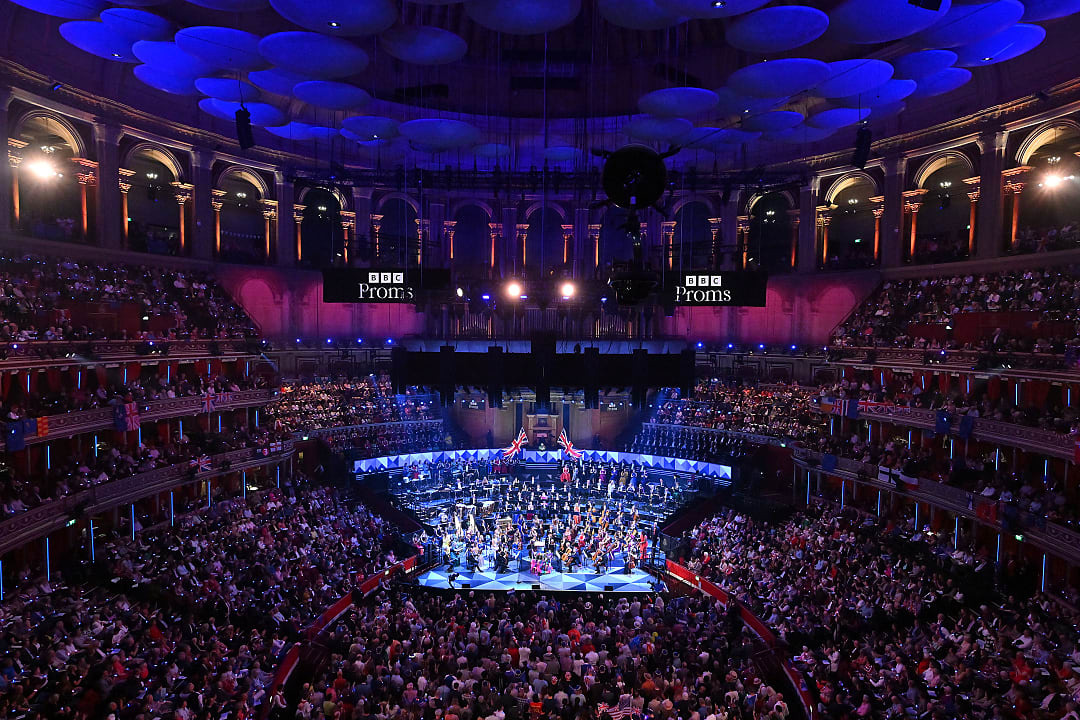
"Last Night of the Proms" in the Royal Albert Hall, London
"Last Night of the Proms" in the Royal Albert Hall. Photo courtesy of BBC / Mark Allen

The BBC Proms is among the world's most ambitious classical music festivals, transforming London's Royal Albert Hall into a nightly stage for eight weeks from July to September. It draws an unusually wide mix of listeners, from first-time concert-goers to lifelong regulars, by pairing world-renowned orchestras with rising talent across a season built on orchestral, chamber, and choral repertoire. For travelers building a UK itinerary around a signature cultural event, the Proms offers a rare combination of prestige and genuine local color.

  • Standing tradition: Same-day "Prommers" standing tickets remain one of classical music's most accessible entry points, priced well below seated tiers.
  • Themed seasons: Each year's Proms builds around a distinct programming theme, weaving new commissions and premieres alongside beloved repertoire.
  • Landmark nights: The First Night opener and the flag-waving Last Night are self-contained events worth building a trip around.
  • Beyond the hall: "Proms in the Park" extends the festival to outdoor audiences across the UK and September's Heritage Open Days lets you explore historic buildings normally closed to the public.
  • World-class venue: The Royal Albert Hall's circular auditorium and famous acoustic "mushrooms" give every Prom a distinctive sonic character rarely matched elsewhere.

Step outside after a concert and the terracotta domes of the Natural History Museum and gilded Albert Memorial glow under South Kensington's streetlights, with Hyde Park just beyond for a late-evening walk while the city slows. A pre-concert picnic on the grass near the Serpentine, red buses idling along Kensington Gore, and the low murmur of the crowd waiting for entry all become part of the memory long before the first note sounds.

For more inspiration on planning a trip around the Proms, see our UK tours and vacations or UK travel guide
2. Salzburg Festival • Austria

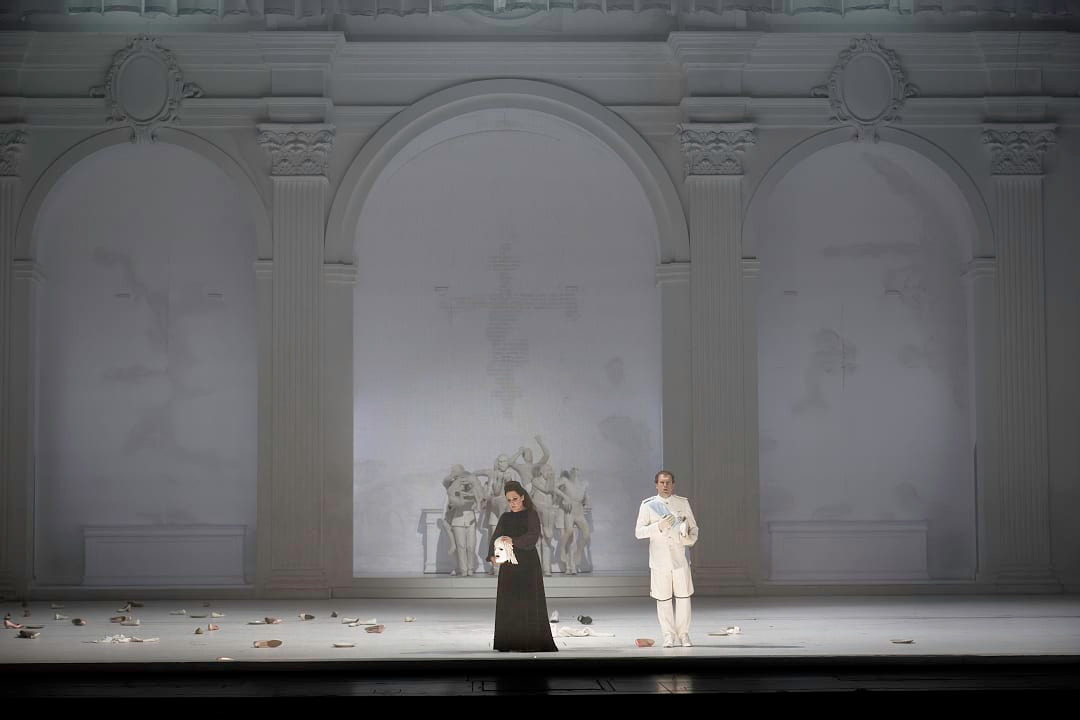
Performance of Motzart's Don Giovanni at theSalzburg Festival, Austria
Motzart's Don Giovanni at Salzburg Festival 2024: Nadezhda Pavlova (Donna Anna), Federica Lombardi (Donna Elvira), Davide Luciano (Don Giovanni), Julian Prégardien (Don Ottavio). Photo courtesy of Salzburg Festival / Monika Rittershaus

The prestigious Salzburg Festival transforms Mozart's hometown into a concentrated hub of opera, drama, and concert performances for roughly six weeks, from mid-July through late August. What distinguishes Salzburg from its peers is the way it balances reverence for its own history with a genuine appetite for reinvention. New stagings and commissioned works sit alongside centuries-old repertoire without either feeling like an afterthought. Few festivals anywhere pair that artistic ambition with a setting as compact and walkable as Salzburg's old town.

  • Founding pedigree: Founded in the 1920s, the festival has spent a century pairing artistic risk-taking with an unbroken devotion to Mozart's legacy.
  • Vienna Philharmonic residency: Multiple concert programs from the Vienna Philharmonic anchor the season alongside guest orchestras from around the world.
  • Historic stages: Performances unfold across converted riding schools and grand festival halls, including the Felsenreitschule and Großes Festspielhaus, each carrying its own centuries-old character.
  • Annual theme: A single conceptual thread runs through each summer's opera, drama, and concert lineup, rewarding repeat visitors who follow it year to year.
  • Global talent pool: Top-tier conductors, directors, and performers treat a Salzburg engagement as a career milestone, drawing an unusually concentrated roster of talent.

Between performances, the narrow cobbled lane of Getreidegasse invites unhurried wandering past wrought-iron guild signs and the house where Mozart was born, while the Salzach River catches the last light against the fortress walls of Hohensalzburg above. An evening stroll through the manicured hedges and fountains of Mirabell Gardens, marzipan from a century-old confectioner in hand, turns the walk to the concert hall into its own small performance.

For more information, take a look at our Austria tours and vacations and Zicasso’s Austria travel guide.

3. Lucerne Festival • Switzerland

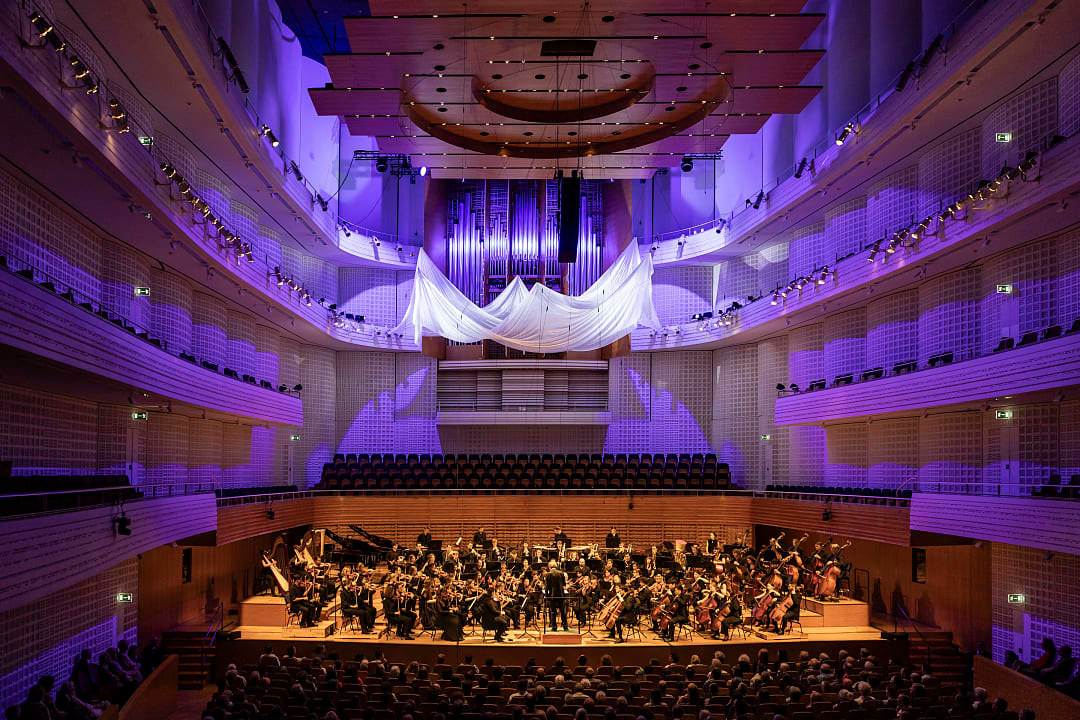
Lucerne Festival Orchestra in Switzerland.
Lucerne Festival Orchestra in Switzerland. Photo courtesy of Patrick Hürlimann / Lucerne Festival

The Lucerne Festival's flagship Summer Festival runs from mid-August to mid-September, drawing some of the world's leading orchestras and soloists to Switzerland for a season built around exceptional sound and a singular sense of place. Unlike festivals that spread performances across a city, Lucerne concentrates its programming into a handful of purpose-built and open-air venues, holding listeners and performers to an unusually high acoustic standard throughout. It's less a sprawling event than a tightly curated one, built for travelers who want depth over breadth in a single visit.

  • KKL acoustics: The KKL Luzern's concert hall is regarded as one of the finest acoustic spaces in the world, purpose-built for orchestral clarity.
  • Annual theme: Like Salzburg, Lucerne organizes each summer around a single unifying theme that shapes commissions and repertoire choices.
  • Emerging talent: The Lucerne Festival Academy trains young musicians and composers in contemporary music, with select participants performing during the Summer Festival itself.
  • Lakeside setting: Concerts and open-air events along Lake Lucerne pair world-class programming with alpine scenery just steps from the venue.
  • Festival orchestra: The Lucerne Festival Orchestra, founded in 2003 and drawn from top soloists and chamber musicians, gives the season a signature sound distinct from any touring ensemble.

Afterward, the medieval Chapel Bridge arches over the Reuss River in flower-lined silhouette and a short walk along the lake promenade brings Mount Pilatus into full view across the water. Sitting at a café table as the last funiculars climb the mountainside, gelato in hand while the crowd empties out of the KKL, is as much a part of a Lucerne evening as anything played inside the hall.

Visit the Lucerne Festival after taking a look at what else you can enjoy from our customizable Switzerland tours and vacations.

4. Aix-en-Provence Festival • France

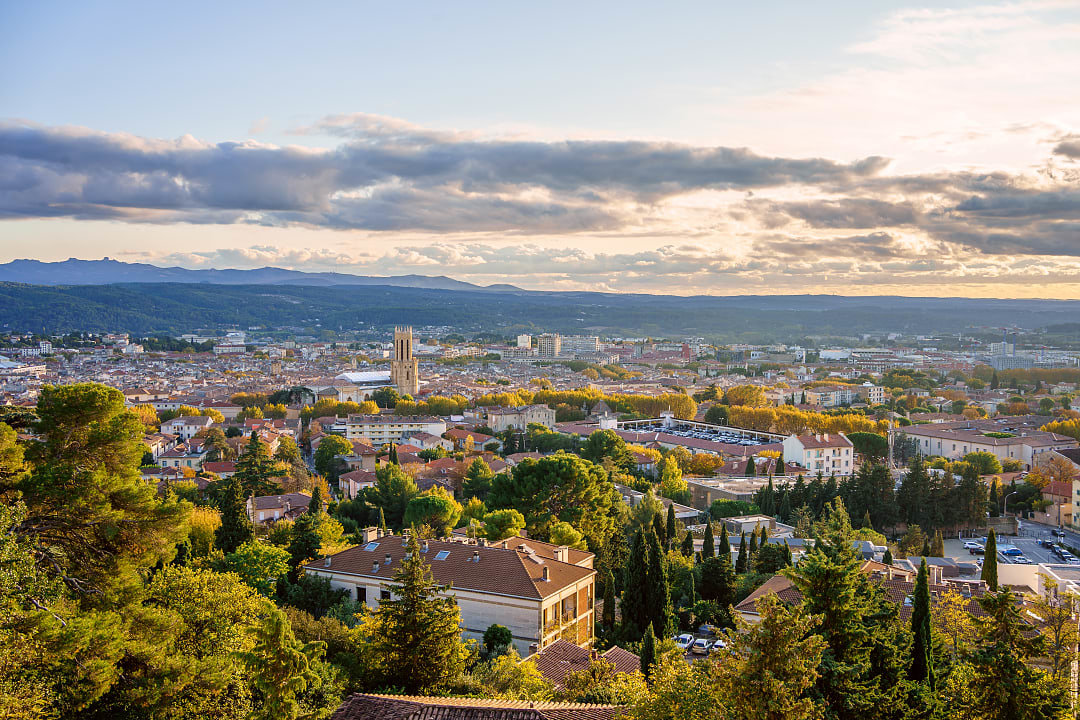
Aix-en-Provence, France

For a stand-out mix of opera and classical performances in idyllic surroundings, visit the Aix-en-Provence Festival, held each July in the South of France. What makes Aix distinct among Europe's opera festivals is its scale. It is smaller and more intimate than Salzburg, yet still draws top-tier singers, conductors, and directors to a handful of historic venues across the city. The result is an event that feels personal even at its most ambitious, pairing serious artistic risk-taking with the unhurried pace of a Provençal summer.

  • Open-air opera: The Théâtre de l'Archevêché stages performances beneath the Provençal night sky, one of Europe's most atmospheric opera settings.
  • Emerging artists: The festival's Académie program trains young singers, instrumentalists, and composers, often folding them directly into main-stage productions.
  • World premieres: Aix has built a reputation for commissioning new operatic works alongside its core classical repertoire.
  • Regional immersion: The festival's setting places you amid Provence's lavender fields, hilltop villages, and centuries-old architecture.
  • Intimate scale: Compared to larger festivals, Aix's smaller venues create a closer, more personal relationship between performers and audience.

By day, the shaded plane trees of cours Mirabeau shelter market stalls piled with lavender, olive oil, and santons, while ochre-hued townhouses and burbling stone fountains set the pace to something closer to a saunter than a walk. Drive 20 minutes out of town and the hills around the Luberon turn a hazy purple in July, giving you a full sensory counterpoint to the evening's opera under open sky.

Enjoy all the South of France has to offer on one of Zicasso’s sample France tours and vacations. You can also take a look at our France Travel Guide.

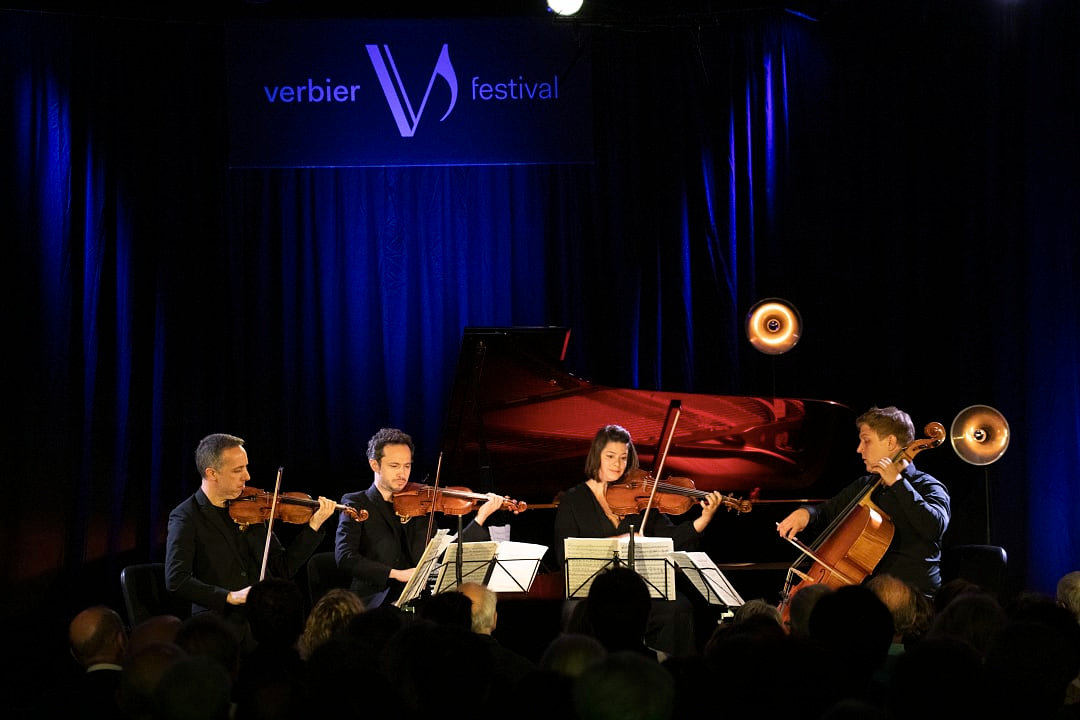
5. Verbier Festival • Switzerland

Performance at the Église de Verbier in Switzerland
Performance at the Église de Verbier in Switzerland. Photo courtesy of Evgenii Evtiukhov / Verbier Festival

For a hidden gem on the European classical music scene, head to the Swiss Alps for the Verbier Festival, held for roughly two and a half weeks from mid-July into early August. What sets Verbier apart is its combination of scale and intimacy: despite drawing internationally celebrated performers, the festival's small-village setting keeps audiences, students, and artists close together throughout, creating an atmosphere closer to a retreat than a conventional concert series.

  • Academy access: The Verbier Festival Academy pairs young musicians with world-class artists through masterclasses and side-by-side performances, often producing spontaneous collaborations.
  • Mountain setting: Concerts unfold against the backdrop of the Swiss Alps, giving Verbier a more intimate, retreat-like atmosphere than city-based festivals.
  • Star-studded roster: Despite its smaller village setting, Verbier consistently draws leading international soloists and conductors.
  • Compact season: The festival's roughly two-and-a-half-week run makes it easy to pair with a broader alpine itinerary.
  • Cross-genre reach: Alongside core classical programming, the festival has expanded its collaborative and educational initiatives internationally in recent years.

The scent of pine and fresh mountain air greets you as you step out of the Salle des Combins, with the Combins massif rising sharply against the evening sky and distant cowbells drifting up from alpine pastures below the village. A cable car ride the following morning trades concert applause for the crunch of gravel trails and a plate of raclette scraped tableside, the whole valley spread out beneath a still-crisp alpine sun.

For more inspiration, see our Switzerland tours and vacations and Zicasso’s Switzerland Travel Guide.

6. Schleswig-Holstein Musik Festival • Germany

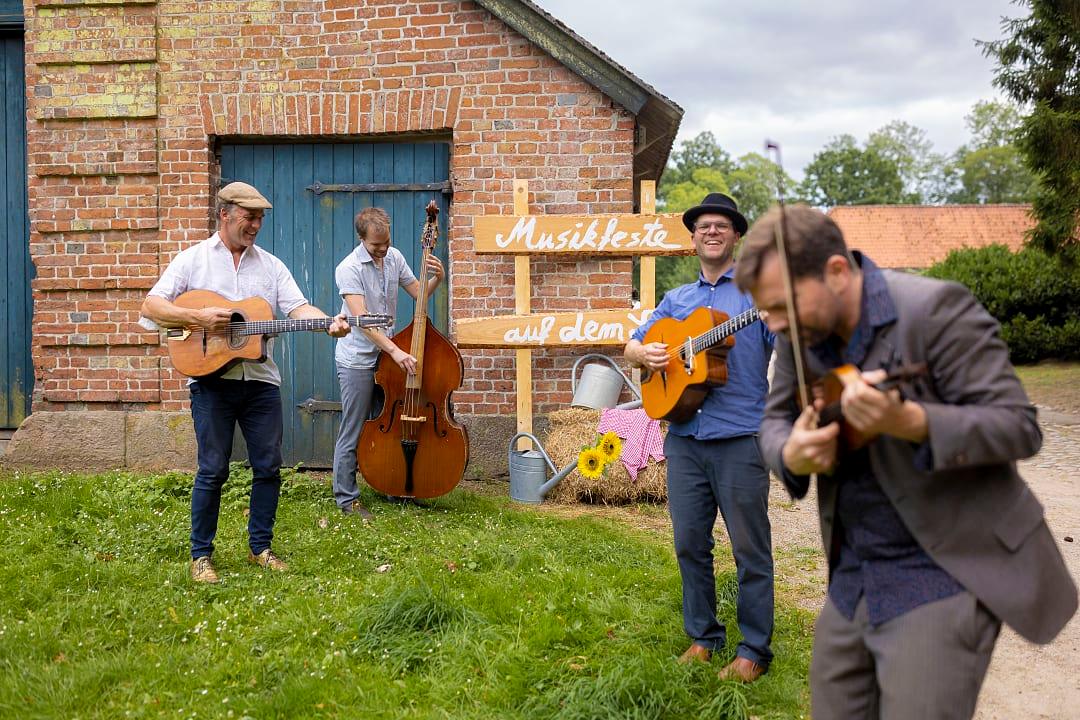
Countryside performance at Gut Emkendorf, part of the Schleswig-Holstein Musik Festival in Germany
Countryside performance at Gut Emkendorf, part of the Schleswig-Holstein Musik Festival in Germany. Photo courtesy of 54°/Felix Koenig

The Schleswig-Holstein Musik Festival takes place from June to August. It stands apart from most European classical festivals for its sheer geographic reach, unfolding across northern Germany rather than concentrating in a single city. That spread is also its guiding idea: rather than building a fixed home for the festival, organizers built it around the region itself, letting each venue's character shape each performance.

  • Unconventional venues: Historic churches, barns, manor houses, and even industrial sites double as concert halls, giving each performance a distinct sense of place.
  • Educational mission: Masterclasses and workshops for young musicians run throughout the festival, reflecting its strong pedagogical roots.
  • Country-themed programming: Each edition spotlights a different country or theme, weaving that nation's music and culture into the broader classical lineup.
  • Regional sprawl: With performances spread across the whole state, the festival doubles as a tour of northern Germany's countryside and coastline.
  • Cultural exchange: The festival's international focus brings a rotating cast of visiting orchestras and traditions into conversation with the core classical repertoire, alongside its own Schleswig-Holstein Festival Orchestra.

A single day of festival-hopping might carry you past thatched-roof farmhouses, red-brick manor courtyards, and windswept dunes along the Baltic coast, the flat northern light making every barn conversion look freshly painted for the occasion. Between concerts, small harbor towns serve smoked fish straight off the boat and the wide, open skies over the countryside make the drive between venues feel like part of the program.

Learn more from our Germany Travel Guide, then take a look at our  Germany tours and vacations.

7. Edinburgh International Festival • Scotland

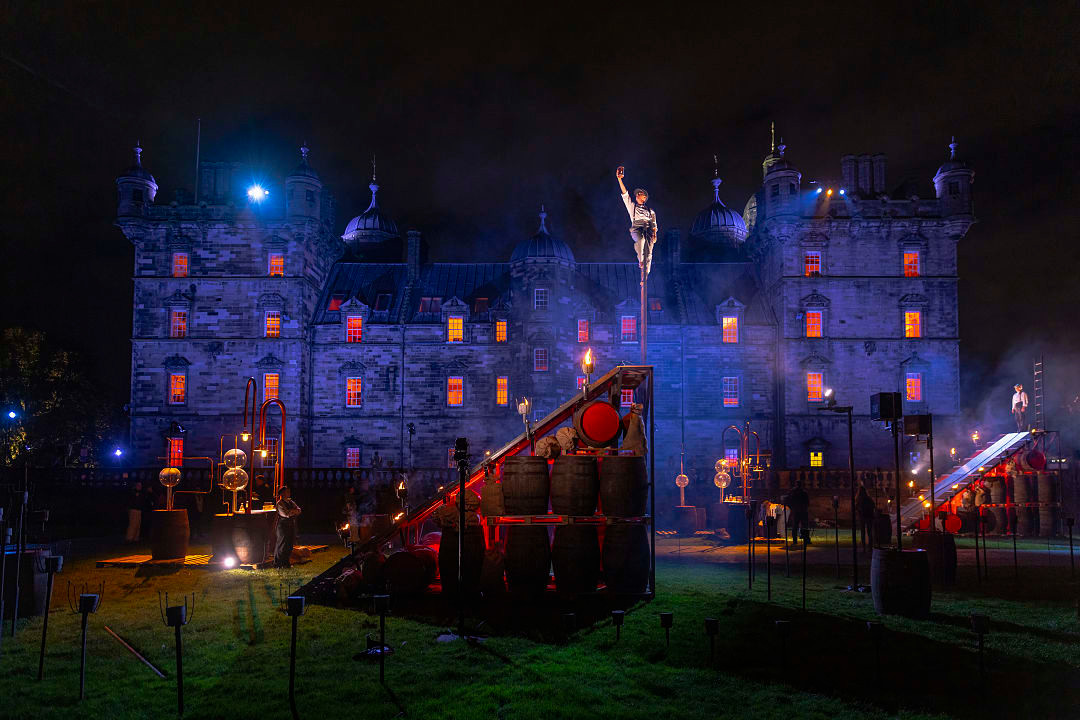
Edinburgh International Festival, Scotland
Edinburgh International Festival. Photo courtesy of VisitScotland / Kenny Lam

The Edinburgh International Festival, held each August, is one of the world's leading arts festivals, weaving classical music, opera, theater, and dance into a roughly three-and-a-half-week program. Its defining feature isn't any single genre but the density of the experience: for those weeks, culture becomes the organizing logic of an entire city, and a single trip to Edinburgh can deliver a breadth of world-class performance that would otherwise take a season of separate festivals to match.

  • Festival city synergy: The International Festival runs alongside the Edinburgh Festival Fringe and several other August festivals, turning the whole city into a continuous cultural event.
  • World premieres: Each edition commissions new works, adding fresh voices to a lineup built around classical and contemporary staples alike.
  • Historic venues: Performances take place in landmark spaces across Edinburgh, including the Usher Hall and Edinburgh Playhouse, pairing world-class programming with the city's Georgian and medieval architecture.
  • Community access: Educational programs and a range of accessible and discounted performances broaden the festival's reach beyond typical concertgoers.
  • August capital: The concentration of festivals happening simultaneously makes Edinburgh in August one of the densest arts calendars anywhere in Europe.

Wandering the cobbled Royal Mile after a concert, the city's medieval closes and wynds open onto hidden courtyards while Edinburgh Castle keeps watch from its volcanic crag above the skyline. A late climb up Arthur's Seat rewards you with the whole festival city glowing below and a dram of whisky in a centuries-old pub afterward is as much a part of an Edinburgh August as any performance on the program.

For further inspiration, see Zicasso’s Scotland tours and vacations and our Scotland Travel Guide.

8. Rossini Opera Festival • Italy

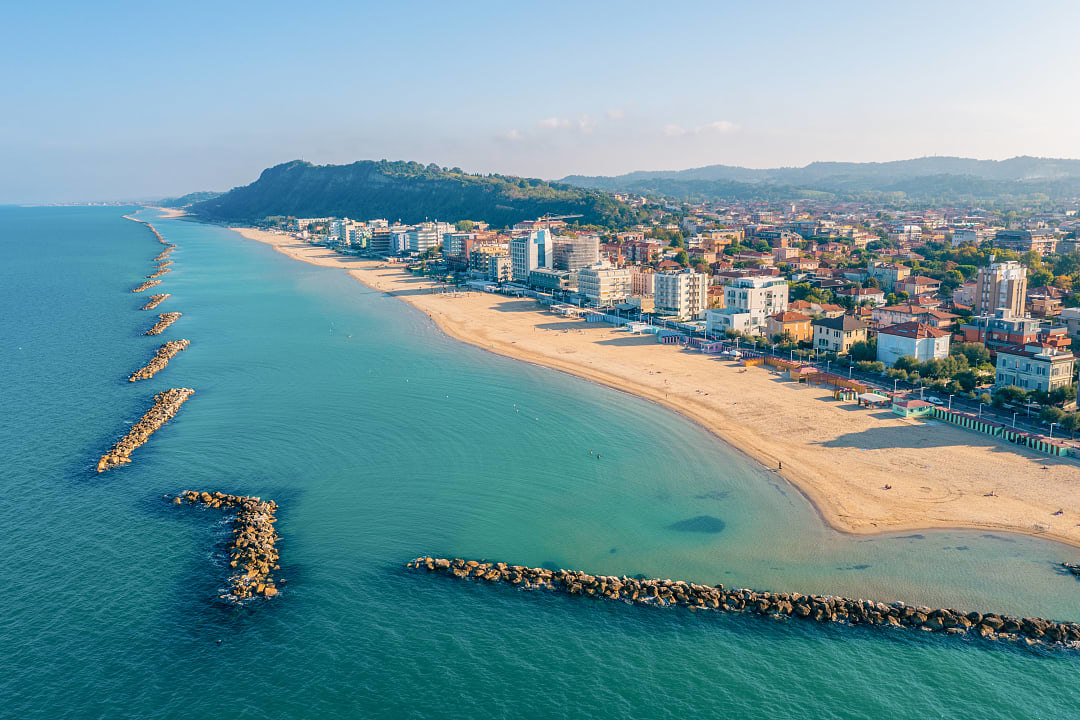
Pesaro, Italy
Pesaro, Italy

The Rossini Opera Festival, held each August in Pesaro, is entirely dedicated to the works of Gioachino Rossini, an unusual premise that shapes everything about the event, from programming to audience. Rather than competing on scale or star power alone, ROF competes on depth: no other major festival can offer the same concentrated expertise in a single composer's catalog. The event draws scholars and devoted opera enthusiasts alongside more casual visitors.

  • Single-composer focus: No other major European festival is dedicated exclusively to one composer's catalog, giving Rossini specialists an unmatched depth of programming.
  • Scholarly revivals: The festival works closely with the Fondazione Rossini to present lesser-known and newly reconstructed works alongside the composer's famous operas, regularly resulting in modern-day premieres.
  • Rising talent: The Accademia Rossiniana trains young singers, several of whom go on to perform in the festival's own productions.
  • Adriatic setting: Pesaro's coastal position, the composer's own birthplace, pairs the festival with beach time and a slower, small-city pace between performances.
  • Bel canto pedigree: The festival draws top interpreters of the bel canto repertoire, making it a pilgrimage stop for devoted opera enthusiasts.

Pesaro's old town rewards an unhurried wander, its Renaissance piazzas and narrow lanes opening suddenly onto the Adriatic, where the evening air carries the salt of the sea straight into the streets. A late dinner of grilled fish and local Verdicchio wine on a piazza terrace, with Rossini's childhood home just a short walk away, gives the festival a rare sense of visiting the composer's world, not just his music.

Weave the festival into one of our sample Italy tours and vacations. For more information on visiting the country, see our Italy travel guide.

9. Helsinki Festival • Finland

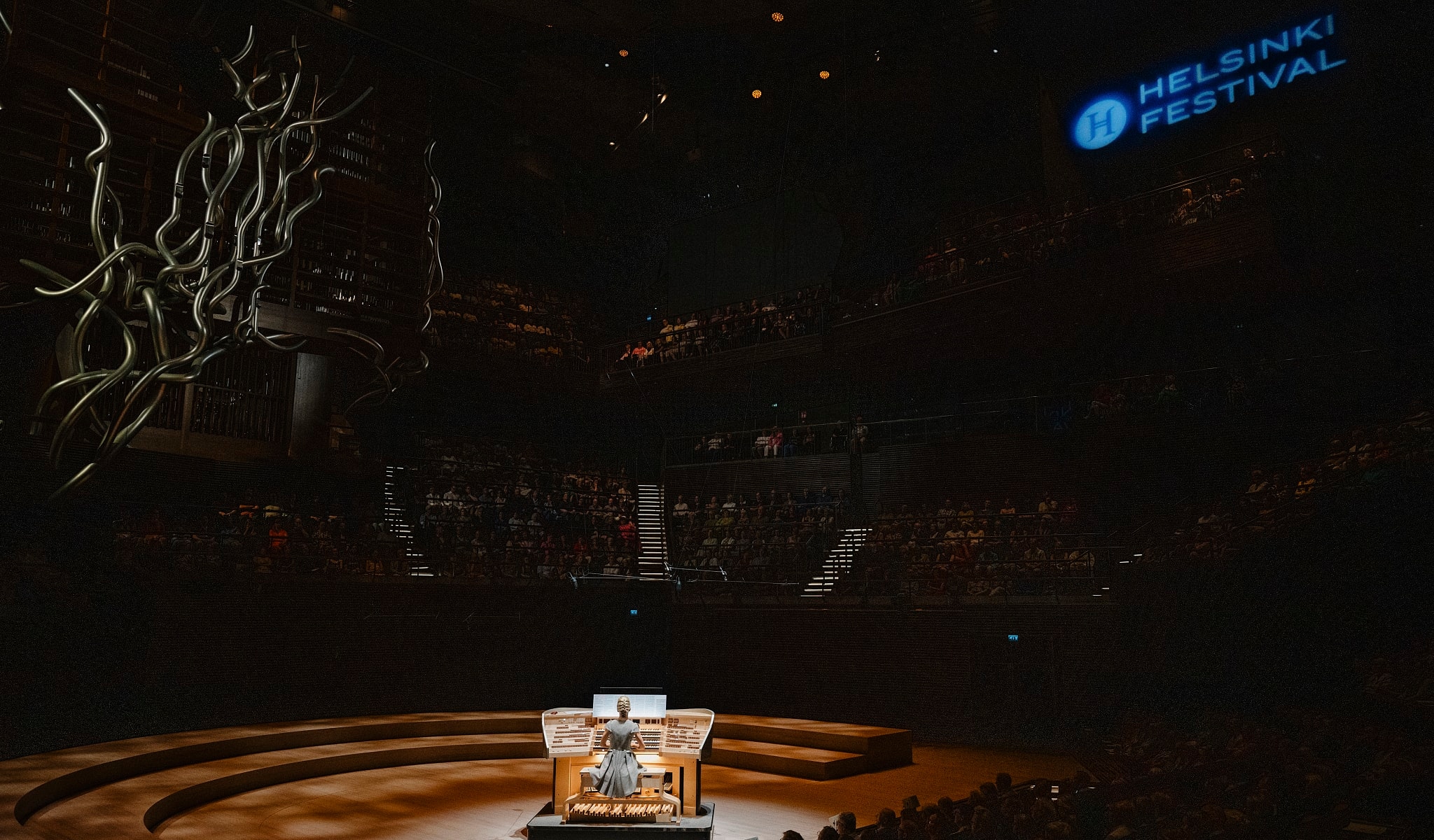
Iveta Apkalna at the Musiikkitalo in Helsinki, Finland
Iveta Apkalna at the Musiikkitalo in Helsinki, Finland. Photo courtesy of Saara Autere / Helsinki Festival

The Helsinki Festival, held from mid-August into early September, brings classical music, theater, dance, and visual arts to venues across the Finnish capital. What distinguishes it from festivals built primarily around ticketed concert halls is its instinct to spill out into public space. The city itself becomes part of the programming, which keeps the event feeling communal rather than exclusive, even as it draws internationally recognized orchestras and soloists.

  • Night of the Arts: This signature festival event turns the entire city into a stage for one night, with performances and exhibitions in unexpected locations.
  • Finnish identity: The programming showcases traditional and contemporary Finnish arts alongside international performances, giving visitors a distinctly local lens on the festival.
  • Free access: A range of free outdoor and family-friendly events keeps the festival open to audiences beyond ticketed concertgoers.
  • Long light: Timed for the tail end of Finland's white nights, the festival lets visitors experience long evening light well into the season.
  • Nordic largest: Helsinki Festival is widely regarded as the largest multi-arts festival in the Nordic countries, with the Helsinki Philharmonic Orchestra among its anchor ensembles.

The waterfront Market Square fills with the aroma of fresh cinnamon buns and grilled salmon well into the long evenings, while a short ferry ride carries you out to the sea fortress of Suomenlinna, its stone ramparts glowing amber in the late light. After a concert, a traditional wood-fired sauna followed by a plunge in the Baltic offers a distinctly Finnish way to unwind, the kind of ritual that turns an evening at the festival into a fuller immersion in the city.

Our Finland tours and vacations offer more details to inspire your trip, while our Finland travel guide has more information on what to expect in the country.

10. Dubrovnik Summer Festival • Croatia

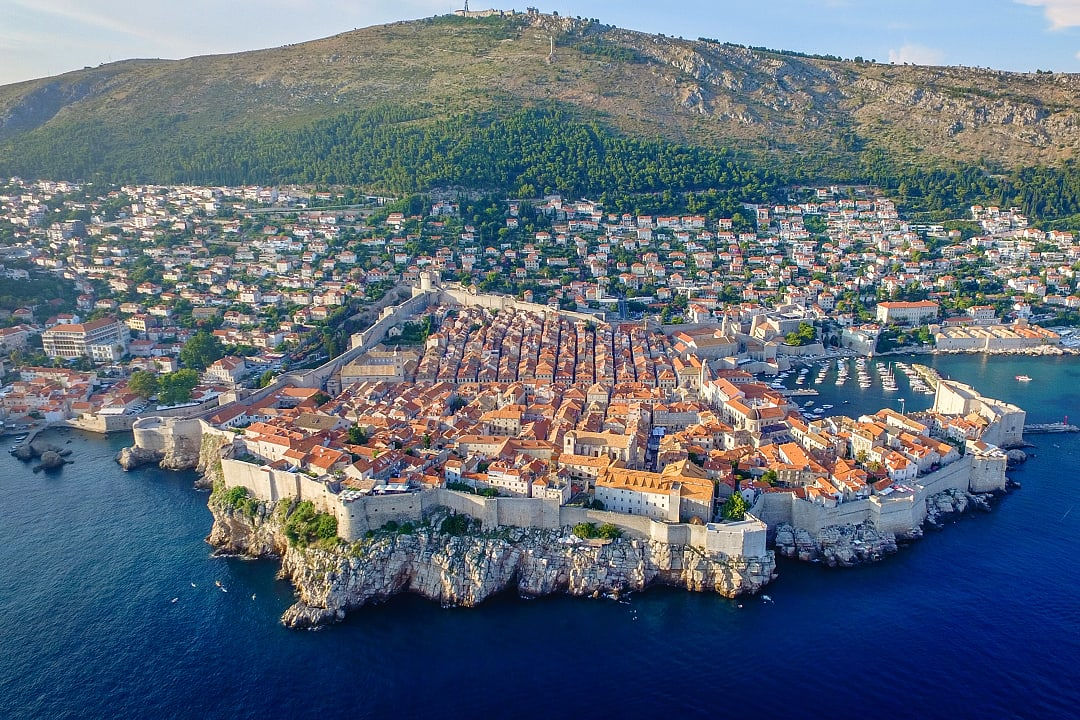
Dubrovnik, Croatia
Dubrovnik, Croatia

One of Europe's oldest multidisciplinary festivals, the Dubrovnik Summer Festival presents classical music, theater, dance, and visual arts over roughly six weeks, from July into late August. What makes it unlike almost anywhere else is the setting. Rather than adapting a modern concert hall, the festival turns Dubrovnik's medieval fortifications and squares into working stages, so the architecture becomes as much a part of the performance as the music.

  • UNESCO backdrop: Performances take place inside Dubrovnik's Old Town, a UNESCO World Heritage Site, turning ancient streets, squares, and fortresses into open-air stages.
  • Signature opening: The festival traditionally opens with the ceremonial raising of the Libertas flag in front of St Blaise's Church.
  • Fortress theater: Fort Lovrijenac's dramatic setting above the Adriatic makes it one of the festival's most sought-after venues, especially for Shakespeare productions.
  • Croatian and international mix: The lineup pairs homegrown Croatian artists with visiting international orchestras and theater troupes at venues including the Rector's Palace.
  • Decades of tradition: With more than seven decades of history, the festival is one of the longest-running arts events in the region.

Stepping off the marble-smooth Stradun after a performance, the terracotta rooftops of the Old Town catch the last orange light while the sea laps gently against the base of the ancient city walls. A walk atop those walls at sunset, with Fort Lovrijenac silhouetted against the darkening Adriatic, turns even the walk between venues into one of the most memorable parts of a Dubrovnik evening.

See our Croatia tours and vacations and Croatia Travel Guide for more details to inspire your trip.

Plan Your Trip to the Best Classical Music Festivals in Europe

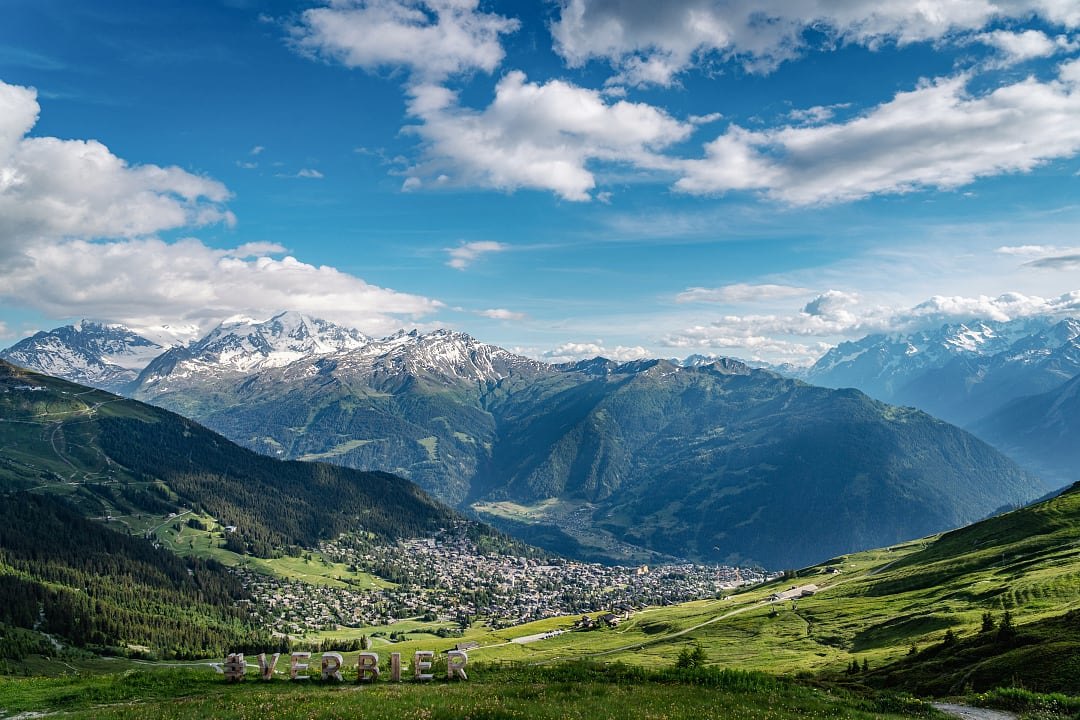
Verbier, Switzerland

Whether you are visiting Italy, Switzerland, or the UK for a classical music festival, we can help you tailor a trip around the event. From Finland to Croatia, our travel experts will customize an itinerary to take your vacation beyond these events, allowing you to experience all your chosen destination has to offer.

For more information on visiting Europe, take a look at our Europe travel guide or our Europe tours and vacations to see what’s possible.

30,000+ Verified Traveler Reviews