Across African safari destinations, conservationists have made a related but sharper argument, particularly around rhinos. A photograph can be entirely harmless in itself, while the information traveling with it, for example, where the animal was seen, when, and how easily that location can be reconstructed, can carry consequences that reach well beyond the safari vehicle.
The same underlying pattern plays out differently depending on the species and the place:
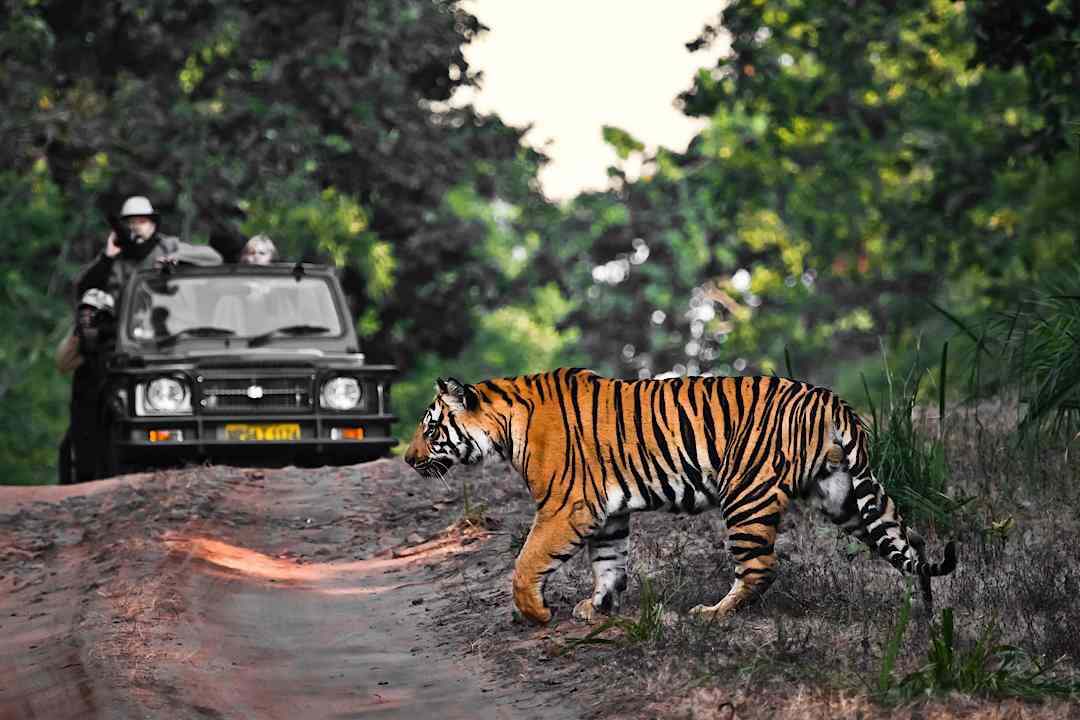
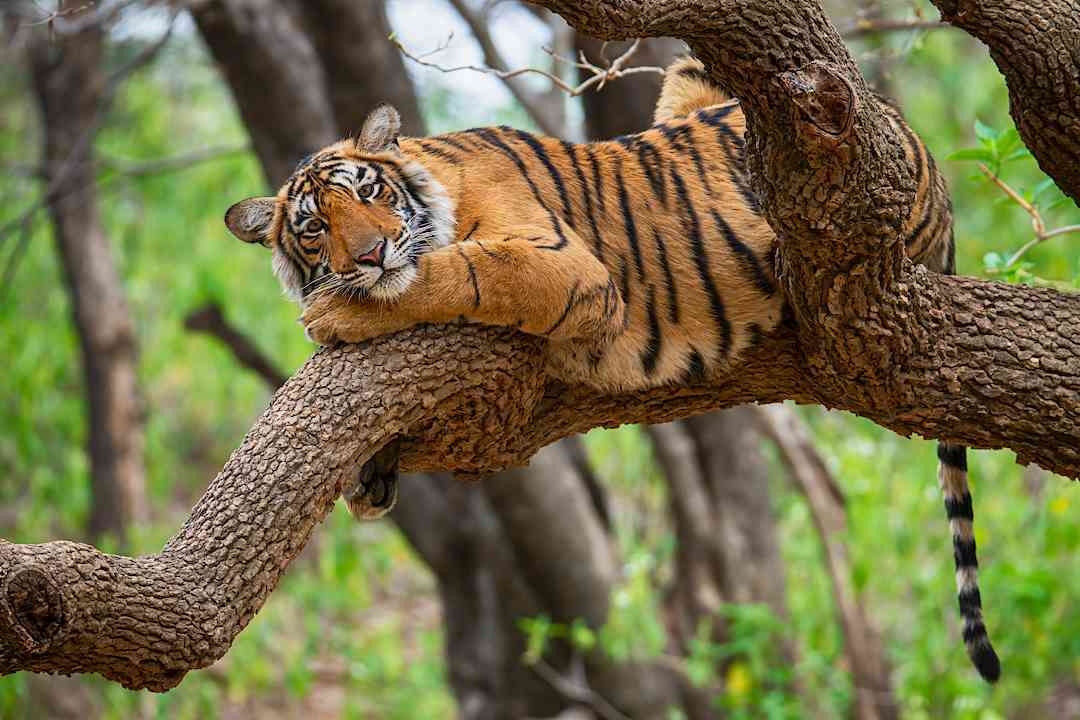
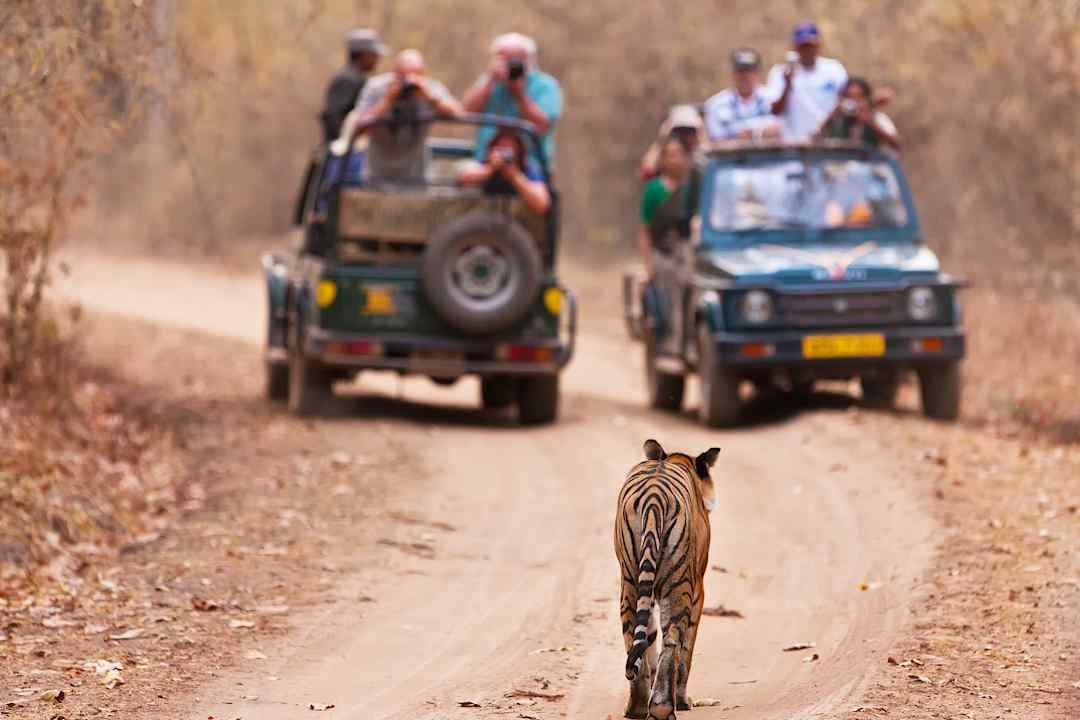
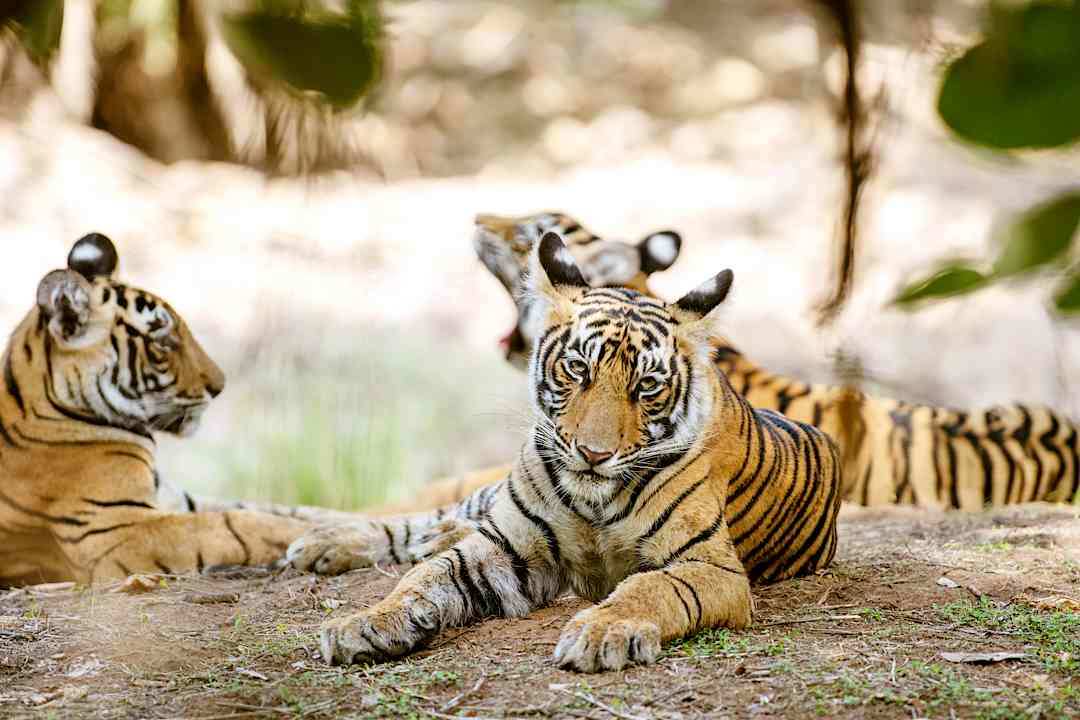
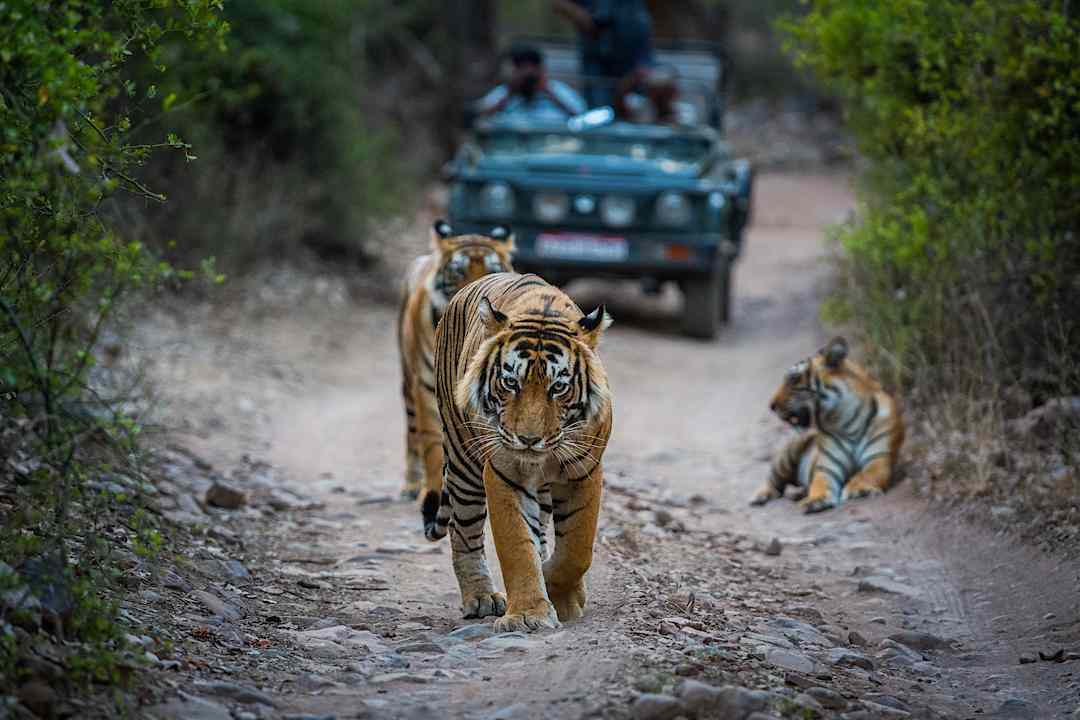
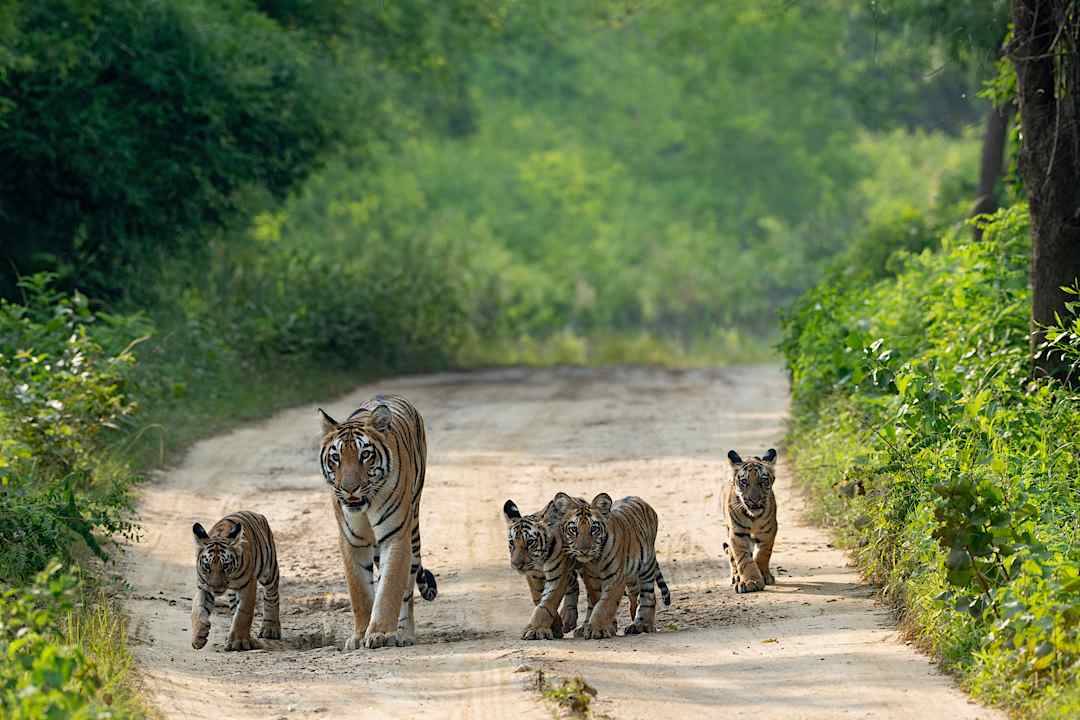
- Tiger in India: Information spreads through a real-time sighting shared among drivers. The immediate concern is vehicle convergence and crowding. The result is disturbance and physiological stress. The underlying issue is that a wildlife location becomes public information.
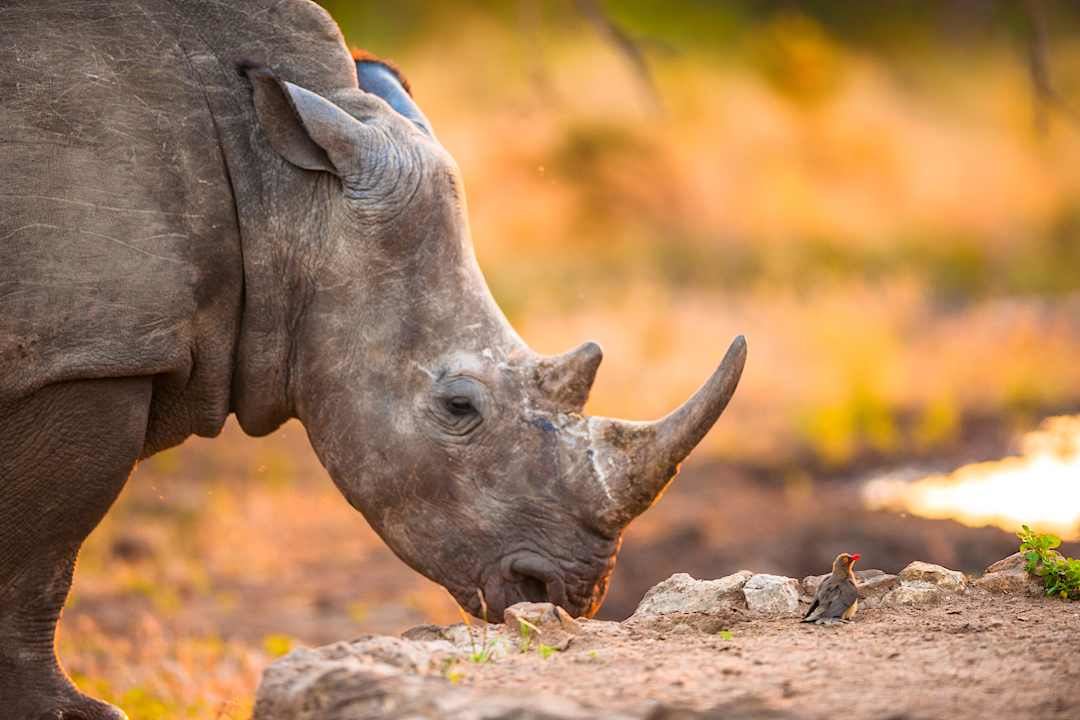
- Rhino in Africa: Information spreads through location or photo metadata shared publicly. The immediate concern is potential poaching intelligence. The result is physical danger to the animal. The underlying issue is that a wildlife location becomes public information.
Zicasso's guide, "6 Ways to Protect Endangered Rhinos on Your Next Safari," covers the practical version of this: disabling geotags, stripping GPS metadata from photos before posting, and avoiding specific reserve or lodge names in captions. This isn't a single outlet's marketing precaution. A rhino conservation specialist told ABC News that poaching syndicates run multiple social media profiles to track posts about endangered wildlife, and a Kruger National Park spokesperson confirmed officials have considered jamming phone signals because tourists’ sighting posts were being monitored by poachers. India has a parallel rule: Bannerghatta National Park has cited a 2017 NTCA regulation barring the sharing of camera-trap photos with location data, applied to leopards.
The same technology creates a different problem, even where poaching isn't the concern, and this is documented rather than assumed. A BBC report from the Maasai Mara described a single radio call that sent a guide's vehicle and at least 27 others racing across the plains to a cheetah hunt, so common that Narok County has repeatedly reissued vehicle-conduct rules to guides. A peer-reviewed study of open safari vehicle operators in Kruger National Park names two-way radio communication among guides as a primary driver of crowding at sightings, a dynamic also documented among Maasai Mara guides, where radio and WhatsApp networks routinely draw crowds of 40 to 50 vehicles at the busiest river crossings. The Mara Conservancy's visitor guidance goes further than a vehicle count: it states plainly that wildebeest have died in the hundreds after being pushed by vehicles into unsuitable crossing points, forced toward banks they can't climb out of. That's a park authority documenting that crowding around a sighting has killed the animals it drew a crowd to see.
The species and consequences differ. The underlying dynamic does not: a wild animal becomes a location that can be broadcast and, once it is, the animal has no say in who arrives next.
- "Phone" here is shorthand for a wider technological ecosystem: smartphones, WhatsApp, GPS, geotagging, social media, live location, radio networks, safari sighting apps, and real-time messaging all move in the same direction
- India's rule looks less like a restriction on technology and more like an attempt to control the speed and reach of wildlife information, the same problem Kenya's county-level rules and South Africa's private reserves manage through different mechanisms
- A long-lens photograph taken from a regulated vehicle is fundamentally different from a live location shared with dozens of other drivers, and a responsibly taken rhino photograph is different from broadcasting its precise coordinates
Traditional luxury travel has generally treated access as the thing being purchased: the closer the vehicle, the better the experience; the rarer the photograph, the greater the achievement. What India's reforms and Africa's crowding problem suggest is that this equation doesn't hold up as well as it used to, at least not for wildlife.