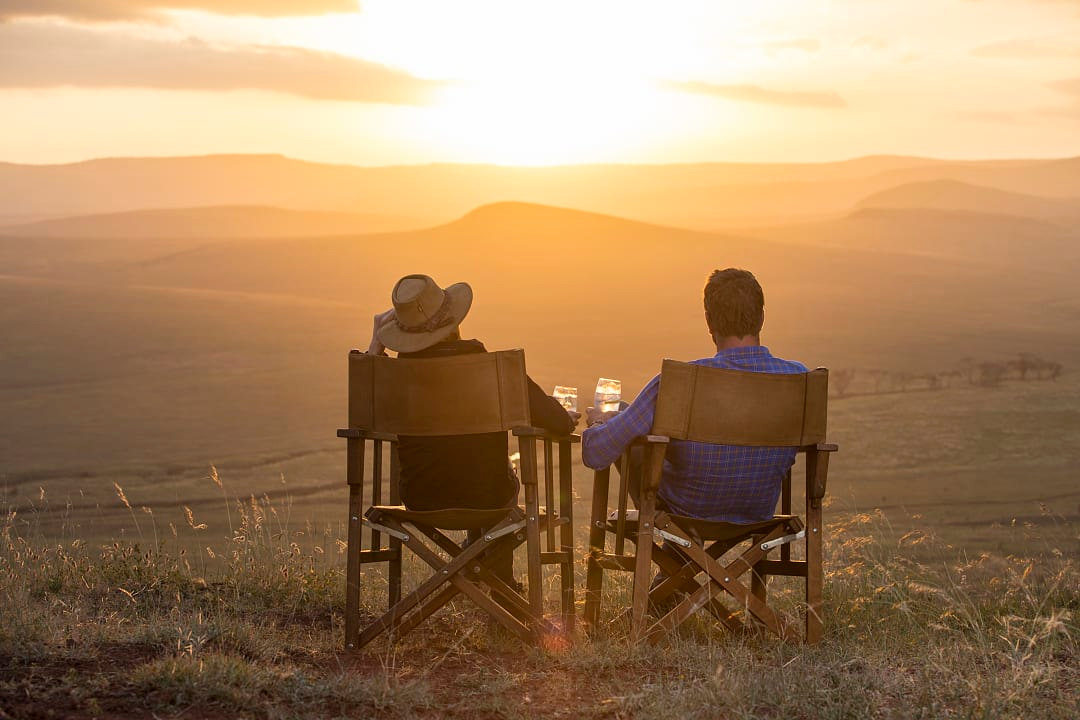
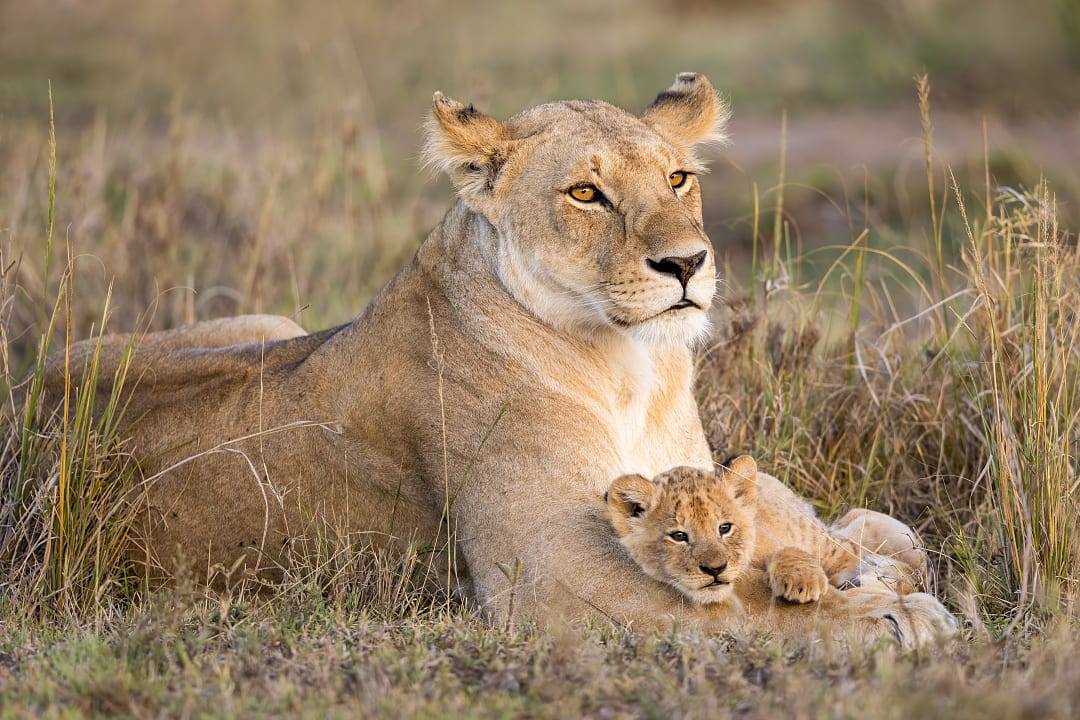
The best time to visit Kenya’s parks is generally during the dry seasons, when vegetation thins and animals seek out water sources, making them easier to spot. While Kenya is a year-round destination, timing your visit can transform your wildlife-viewing experience.
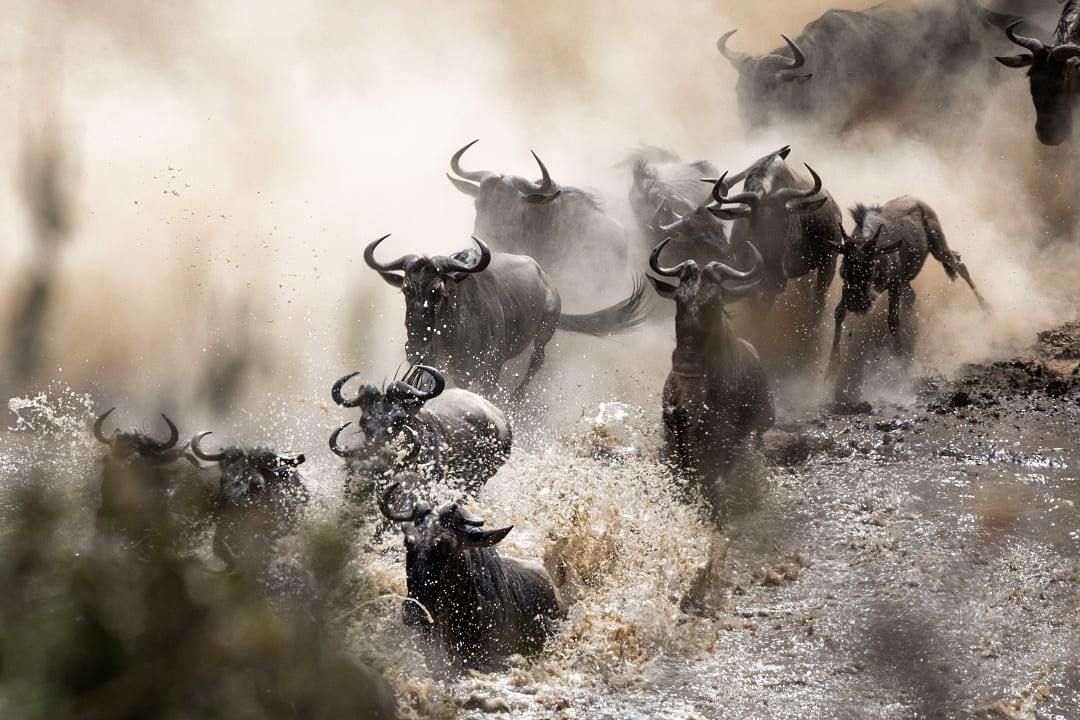
- Long Dry Season (June to October): This is the peak safari season. It offers pleasant, sunny weather and exceptional game viewing. This window also hosts the Great Migration, with the dramatic river crossings in the Maasai Mara typically occurring between July and October.
- Short Dry Season (January to March): This is another excellent period. The weather is hot and dry, and wildlife is abundant.
- Rainy Seasons (April to May and November to December): These "green seasons" see fewer crowds and are exceptional for bird-watching and photography, as the landscapes are lush and dramatic. However, travel can be more challenging and some remote camps may close.
Here is a guide to popular destinations:
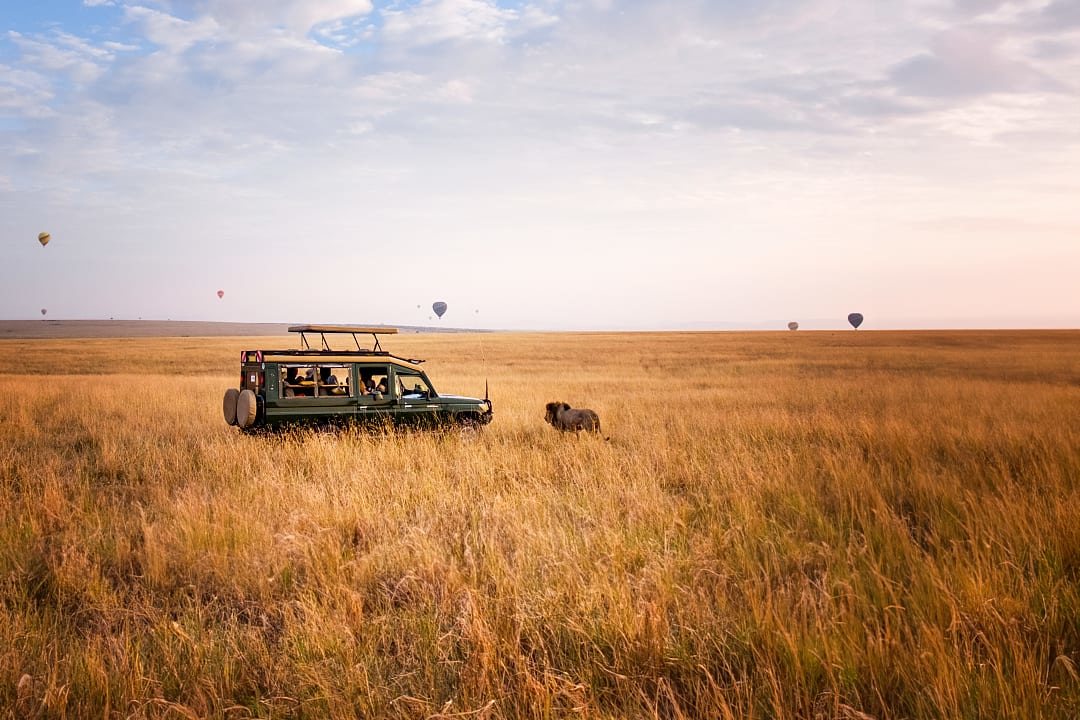
- Maasai Mara: Visit from July to October for the peak of the Great Migration and dramatic river crossings. January to March is also excellent for general wildlife viewing with fewer crowds.
- Amboseli Park: The best times are June to October and January to March. These dry seasons offer the clearest views of Mount Kilimanjaro and draw large elephant herds to the swamps.
- Samburu Reserve: Travel from June to October or January to March. The dry weather concentrates wildlife along the Ewaso Ng'iro River.
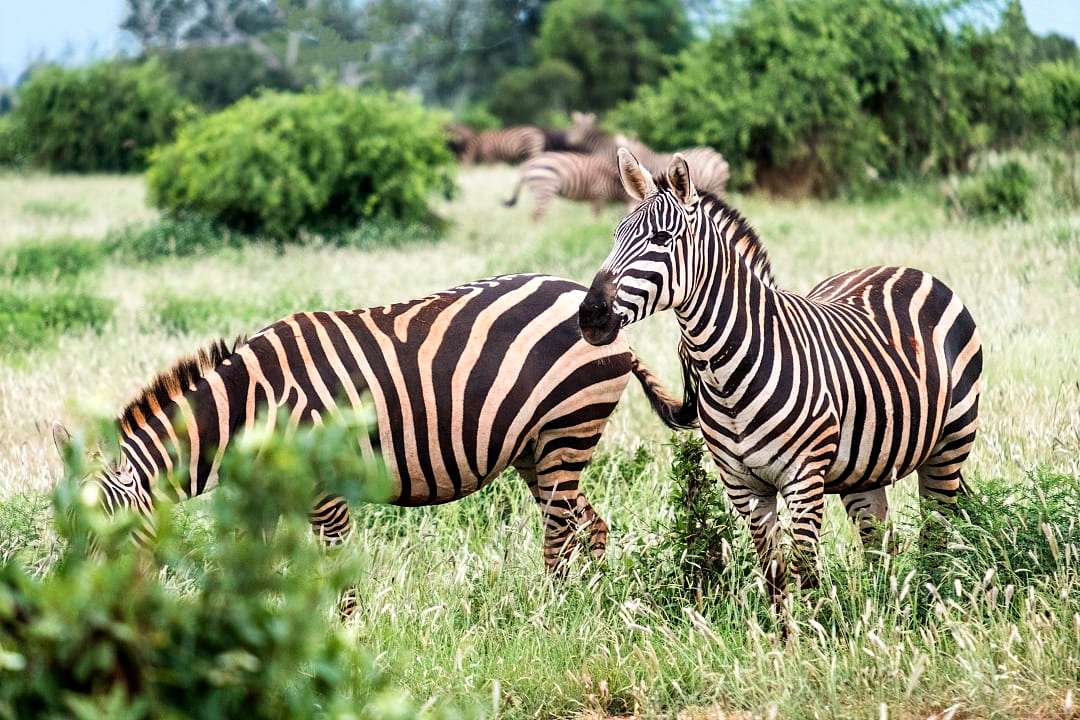
- Tsavo Parks: Plan your visit for June to October or January to February. During these dry months, wildlife gathers around the rivers and waterholes in Tsavo East and West.
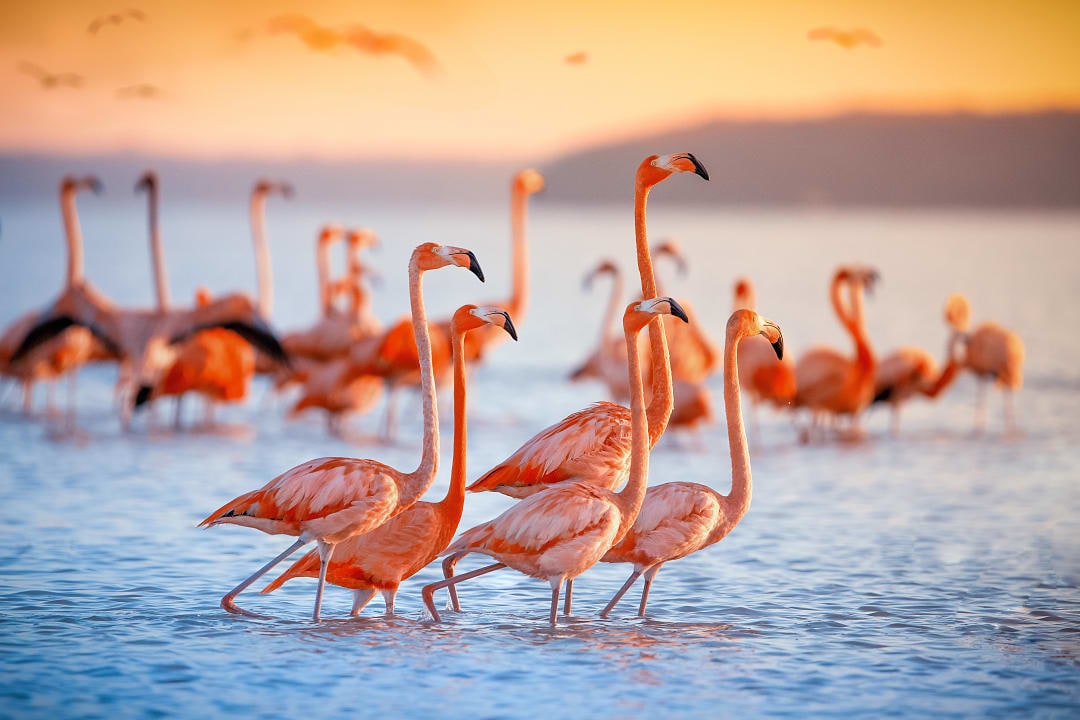
- Lake Nakuru: Wildlife viewing is good year-round, but the most comfortable weather is during the dry seasons from June to October and January to March.
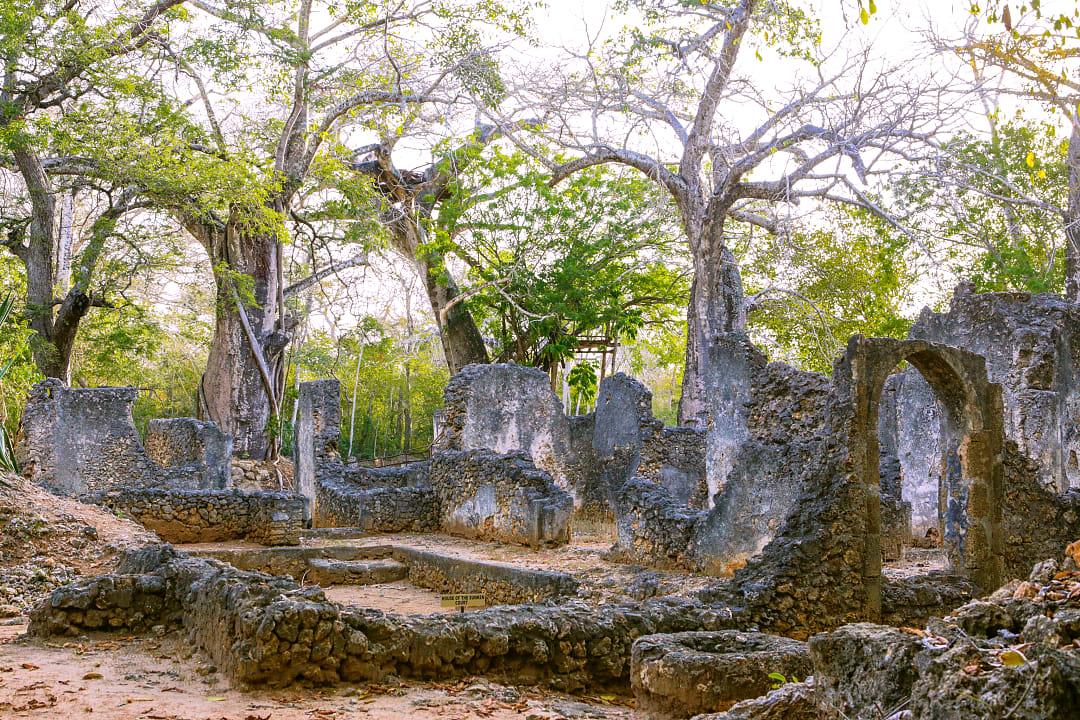
- Kenyan Coast: The ideal time for a beach stay is from January to March or July to October. These months avoid the main rains and offer perfect, sunny beach weather.
Safety and Health
Planning a seamless and secure journey is paramount. A visit to Kenya is extremely rewarding and like travel to any international destination, it requires awareness and preparation.
Travel Safety: For most travelers on a planned, guided safari, Kenya is a very safe destination. Your journey will be managed by professional guides and Zicasso partners who are experts in the region. The primary risks, such as petty theft and crime, are concentrated in major urban centers, particularly at night, and in specific areas not frequented by tourists.
Our specialists ensure you avoid these areas entirely. Your guides will handle all logistics, and the lodges and camps you stay at have excellent security. The most important safety rule on safari is to always follow your guide’s instructions, especially concerning wildlife encounters.
Health and Vaccinations: Your health and comfort are essential. We strongly recommend you consult your doctor or a travel clinic four to six weeks before your departure for the most current advice.
- Vaccinations: The yellow fever vaccine is often a requirement for entry, especially if you are arriving from a country with a risk of transmission. Other recommended vaccinations typically include Hepatitis A, Typhoid, and routine boosters like Tetanus.
- Malaria: Malaria is present in many parts of Kenya, including most safari parks and coastal regions (Nairobi and the highlands are generally low-risk). Prophylactic antimalarial medication is highly recommended. Your doctor will prescribe the best option for you.
- Other Precautions: In addition to medication, prevent mosquito bites by using a strong insect repellent that contains DEET, wearing long-sleeved shirts and trousers in the evenings, and using mosquito nets provided by your lodge.
Getting Around
The logistics of a Kenyan safari are part of the adventure and choosing the right mode of transport is key to maximizing your experience.
Internal Flights vs. Driving
- Internal Flights: This is the most efficient and popular option for a luxury safari. Small "bush planes" connect the main parks via a network of airstrips. This method maximizes your time on safari by turning multi-hour drives into short, scenic flights, allowing you to travel between reserves like the Maasai Mara and Amboseli in a fraction of the time. Note: These flights have strict luggage limits, typically 33 pounds per person in soft-sided bags.
- Driving: For some itineraries, traveling by private 4x4 vehicle with your guide is an excellent way to see the changing landscapes of Kenya. This is most common for transfers between closer parks, such as from Nairobi to Lake Nakuru or Amboseli. We do not recommend self-driving as road conditions can be challenging and difficult to navigate.
The Role of Your Guide
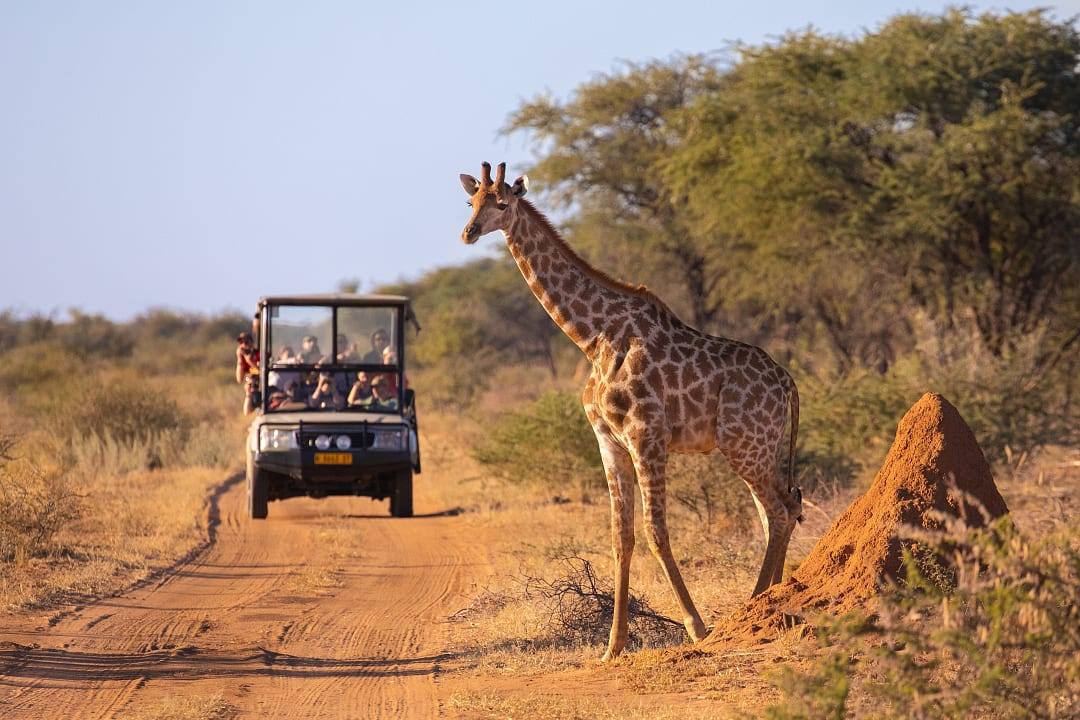
Your safari guide is the single most important element of your trip. They are far more than drivers; they are highly-trained naturalists, trackers, and cultural ambassadors. Your private guide will be your host, your teacher, and your protector. They will track wildlife, interpret animal behavior, share deep ecological knowledge, and ensure your safety and comfort, transforming a great trip into an extraordinary one.