8 Best Places to Visit in Peru

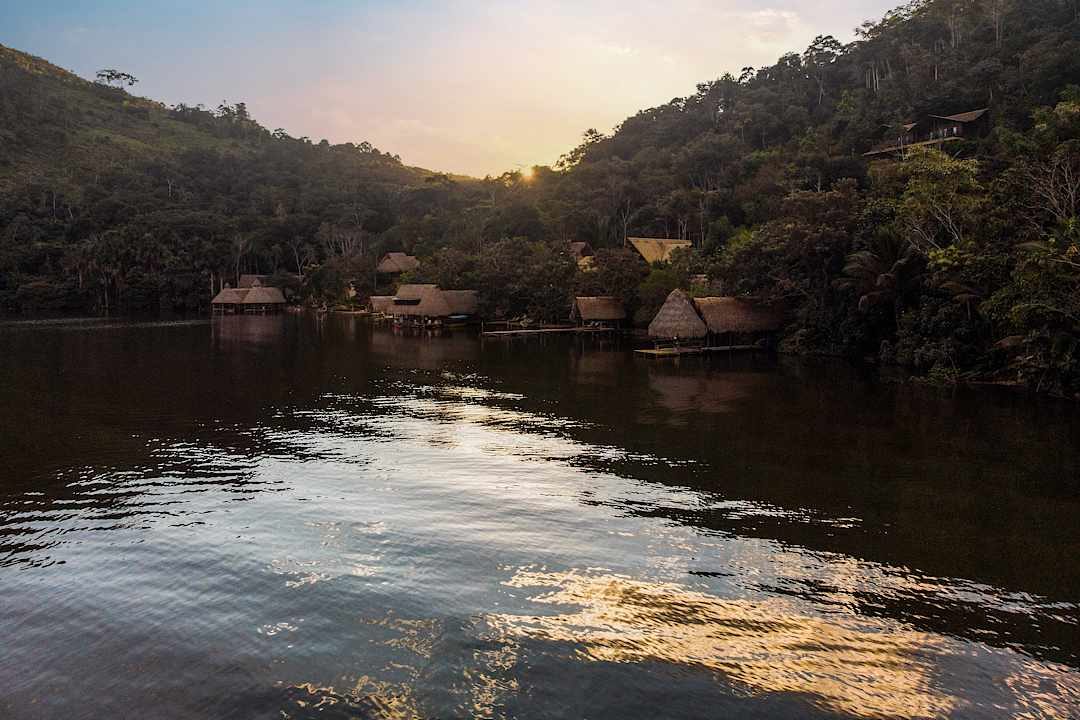
Manu National Park in the Peruvian Amazon

Manu National Park in the Peruvian Amazon

The best places to visit in Peru are spread across three very different worlds: the high Andes, the desert coast, and the Amazon. The hardest part of a first trip is fitting them together. Fly straight to Cusco, and the altitude can cost you a day. Try to see everything and the distances turn a vacation into a string of airport transfers.

The eight destinations below are the ones most first-time travelers build around, each with its altitude, the time it deserves, and the decisions that shape it, from which Machu Picchu circuit to book to whether the Nazca Lines are worth the flight. Read together, they show how a gradual climb from the Sacred Valley to Lake Titicaca keeps every day useful, and where a single extra night changes what you see.

Extraordinary travel begins with the human touch, and our destination specialists design every journey with meticulous care and attention to detail. No two Zicasso itineraries are the same because no two travelers are. Your specialist builds a private, fully personalized Peru route around your pace, interests, and access to people and places most visitors never reach. Use the information here as a guide before connecting with our travel experts to plan your trip.

What Are the Best Places to Visit in Peru?

Amazon rainforest, Peru.

The best places to visit in Peru cover the Andes, the Pacific coast, and the Amazon, and most first trips combine four or five of them over 10 to 14 days. The order matters as much as the choice because the highest stops are easiest at the end of the Andean leg.

  • Machu Picchu: The 15th-century Inca citadel at about 7,970 feet, best on a private, early timed entry. Plan one to two days.
  • Cusco: The former Inca capital at about 11,150 feet, easiest to enjoy after a few nights lower down. Plan two to three days.
  • Lima: The coastal capital and Peru's food city, at sea level. Plan one to two days.
  • Sacred Valley: Inca terraces, markets, and weaving villages on a valley floor of about 9,200 to 9,400 feet, the gentlest base for the first Andean nights. Plan two to three days.
  • The Amazon: Lodges in Tambopata or river cruises from Iquitos, near sea level. Plan three to four nights.
  • Puno and Lake Titicaca: Reed islands and Andean island communities at about 12,500 feet, the highest point of most trips. Plan one to two nights.
  • Nazca: Desert geoglyphs best seen from the air, either from Nazca itself or on a longer flight from Pisco near Paracas. Plan one night, or none if you fly from Pisco.
  • Paracas: Coastal desert, red-sand beaches, and the sea lions of the Ballestas Islands, about three and a half to four hours south of Lima. Plan one to two days.

1. Machu Picchu: The Lost City in the Clouds

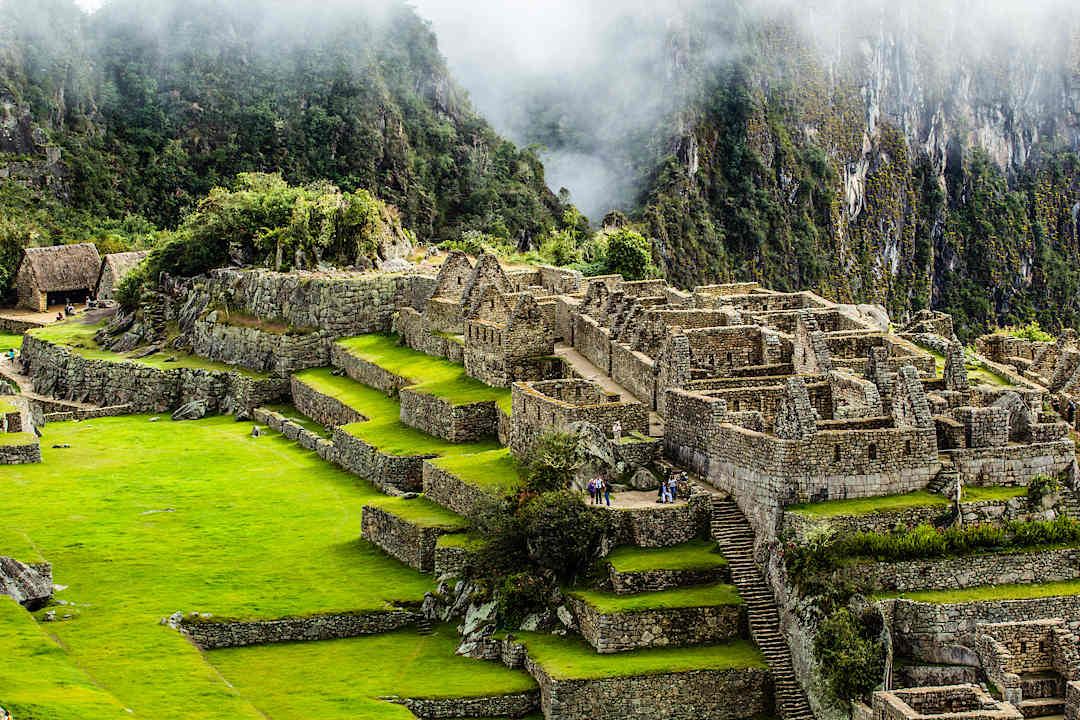
Temple of the Sun at Machu Picchu

Machu Picchu is the place almost every Peru trip is built around, and the visit is shaped months before you arrive, when you choose an entry time and a circuit. The UNESCO-listed 15th-century citadel now admits visitors on three circuits that split into about 10 fixed one-way routes, each sold with an hourly entry slot through the official Ministry of Culture ticket site. High-season numbers are capped at 5,600 a day, so the ticket comes first, and the train is booked around it. Peru's rules call for visitors to enter the citadel with a licensed guide, and although enforcement at the gate has varied, a private guide is what turns the stones into a story about how and why the Inca built on this ridge.

The night before matters as much as the ticket. Sleeping in Aguas Calientes puts you on the first bus up for a 6 a.m. entry, in cool air and soft light, before the day-trip trains from Cusco arrive mid-morning. Get it wrong, and you may be walking the terraces at 2 p.m. in full sun with the largest crowds of the day. The classic ways in are the Inca Trail, whose permits sell out months ahead, or the train through the valley to Aguas Calientes, though trekkers also arrive via routes such as the Salkantay.

Arriving Like an Inca

How you reach the citadel shapes how you remember it.

  • Inca Trail: Walk the final stretch of the Inca road through cloud forest and stone stairways, arriving at the Sun Gate as the citadel appears far below.
  • Valley Train: Ride beside the rushing Urubamba through a narrowing canyon, the air growing warmer and greener as the train drops toward the cloud forest.

The Citadel in Quiet Hours

The first hour after opening is when Machu Picchu feels most like a lost city, and your circuit decides what you see in it.

  • Circuit Choice: Choose Circuit 2, the Classic route, if you want the famous view from the upper terraces and the Sacred Plaza below. Circuit 1 trades temple time for longer panoramas from above.
  • Temple of the Sun: Study the curved, perfectly fitted walls of the Temple of the Sun with your private guide, who explains how its windows are thought to align with the June solstice sunrise.
  • Sacred Plaza: Stand in the Sacred Plaza beside the Temple of the Three Windows, where your guide points out how the Inca shaped stone to frame the mountains, and note that the Intihuatana above it has been closed at times for conservation.

Peaks Above the Ruins

The two mountains that frame the citadel suit very different travelers, and each needs its own ticket booked with your entry.

  • Huayna Picchu: Climb the steep, exposed stone steps of the peak behind the ruins for a bird's-eye view of the citadel, but only if you are comfortable with heights, since daily tickets run to a few hundred and often sell out three to four months ahead.
  • Machu Picchu Mountain: Take the longer, gentler climb on the opposite side, about three to five hours round trip, for a view over the ruins, the Sun Gate, and the surrounding Andes with far less exposure underfoot.

Machu Picchu rewards those who book early, sleep close, and see it through the eyes of a private guide who knows its stones.

Highlights:

  • Classic view from the upper terraces
  • Temple of the Sun
  • Sacred Plaza
  • Sun Gate
  • Huayna Picchu
  • Machu Picchu Mountain

Recommended length of stay: One to two days

See how it fits into a longer journey on our Peru Trekking Tour from the Sacred Valley to Machu Picchu.

2. Cusco: Inca Stone and Colonial Gold

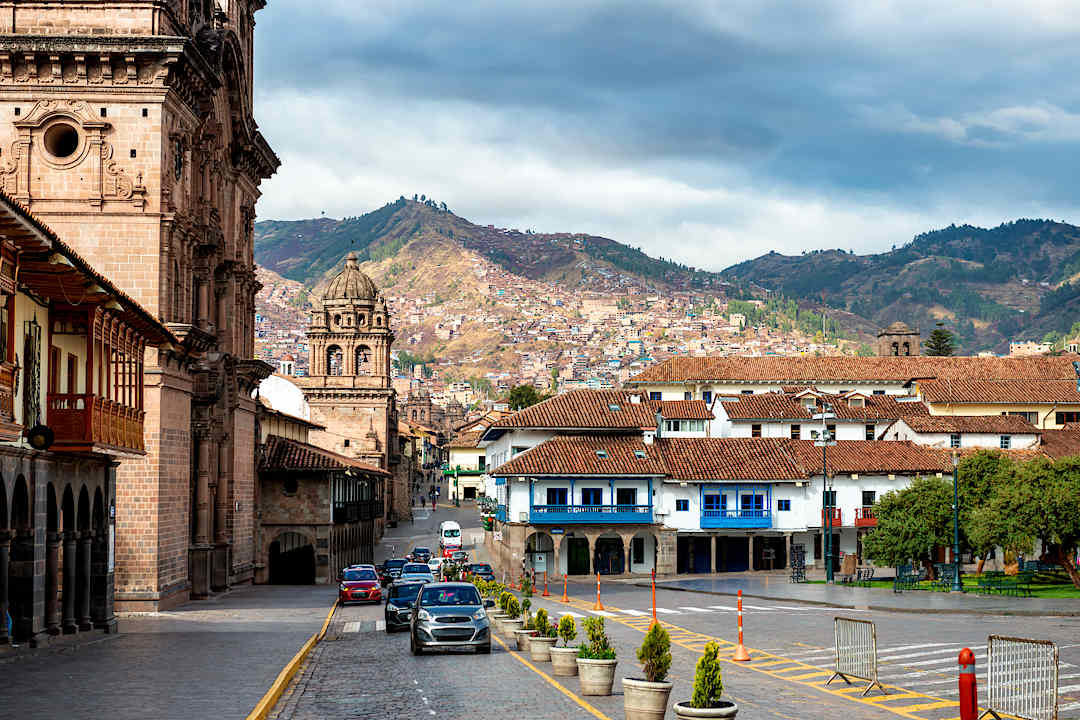
Plaza de Armas in Cusco, Peru

Cusco is the living capital of the Inca world, and the city most Peru itineraries pass through twice. It is best enjoyed at the end of the Andean leg rather than the start. At about 11,150 feet, it sits roughly 1,700 to 2,000 feet above the Sacred Valley, so if you spend your first nights lower down and return after Machu Picchu, you will arrive acclimatized, sleep well, and walk its steep lanes without the headaches that often greet those who check in on day one.

The Inca are said to have called their capital the navel of the world, and the city still reads like a cross-section of history: Spanish churches rise on Inca foundations, and Quechua is still spoken in the markets. Two or three unhurried days with a private guide let you see how one empire built directly on top of another.

Temples Beneath Churches

In Cusco, two empires share the same walls.

  • Qorikancha: Walk through the Inca Temple of the Sun, once said to be sheathed in gold, where flawless curved stonework runs beneath the colonial Convent of Santo Domingo built on top of it.
  • Cusco Cathedral: Step inside the cathedral on the Plaza de Armas to find a Last Supper painting in which Christ and the apostles share a dish of roasted cuy, the Andean guinea pig.

Fortresses on the Hill

Above the city, the Inca left their most monumental work.

  • Sacsayhuamán Walls: Stand beside the zigzagging walls of Sacsayhuamán, some stones estimated at well over 100 tons, fitted so tightly that no blade slips between them.
  • Q'enqo Shrine: Explore the carved rock shrine of Q'enqo nearby, where your private guide reveals the passageways and altars cut into the stone.

Andean Art and Craft

Cusco's creative heritage lives on in its museums and workshops.

  • Pre-Columbian Art: Wander the Museo de Arte Precolombino, set in a colonial mansion, where gold, silver, and ceramics trace thousands of years of Andean artistry.
  • San Blas Studios: Climb the steep lanes of the San Blas quarter to the workshops of woodcarvers and painters, the scent of fresh varnish drifting from open doorways.

Arrive acclimatized, and Cusco's cobbled climbs become the pleasure of the trip rather than its test.

Highlights:

  • Qorikancha
  • Cusco Cathedral
  • Sacsayhuamán
  • Q'enqo
  • Museo de Arte Precolombino
  • San Blas

Recommended length of stay: Two to three days

Explore the city on our customizable Best One-Week Peru Itinerary: Machu Picchu, Sacred Valley, and More.

3. Lima: Pacific Capital of Flavor

Miraflores district in Lima, Peru

Lima deserves one to two days, and the best use of them is to eat. Widely regarded as one of the world's great food cities, Peru's capital is where Spanish, Andean, Amazonian, Chinese, and Japanese influences meet on the plate. A morning at a cevichería followed by a long tasting-menu dinner tells you more about the country than a full day of sightseeing. Its key museums and districts fit comfortably into the same window, which is why a third day here usually comes at the expense of the Andes or the Amazon.

Timing is the other decision. Because international flights land and depart at all hours, many travelers spend a night on arrival to rest before flying to Cusco, then save the long lunches and the Barranco evenings for the end of the trip, when they are relaxed, and there is no altitude ahead. Between the colonial center founded in 1535 and the clifftop districts of Miraflores and Barranco, desert air meets Pacific surf and pre-Columbian temples stand among modern towers.

A Table by the Ocean

In Lima, the best way to understand the city is to eat your way through it.

  • Morning Ceviche: Sit at the counter of a local cevichería as the chef cures the morning's catch in lime with red onion and chile, a dish Limeños traditionally eat at lunch, when the fish is freshest.
  • Tasting Menus: Travel through Peru's ecosystems in a single evening at one of Lima's acclaimed tasting-menu restaurants, each course drawn from a different altitude, from the ocean floor to the high Andes.
  • Market Visit: Follow a chef through a neighborhood market, tasting lúcuma and chirimoya, and learning the role of the ají pepper in Peruvian cooking.

Layers of Ancient Lima

Beneath the modern city lies a history that stretches back more than 1,500 years.

  • Huaca Pucllana: Walk among the adobe terraces of this pre-Inca pyramid in the heart of Miraflores, built around the 6th century AD by the Lima culture.
  • Larco Museum: Spend an unhurried morning among thousands of pre-Columbian ceramics, textiles, and gold pieces in a colonial mansion surrounded by gardens.
  • San Francisco Catacombs: Descend beneath the Convento de San Francisco into catacombs where bones are arranged in geometric patterns, before returning to the light of the historic center.

Bohemian Barranco

Lima's artistic district comes alive as the sun drops over the Pacific.

  • Street Art: Stroll past colorful murals and restored mansions on a walk through Barranco, crossing the wooden Puente de los Suspiros, the Bridge of Sighs.
  • Pisco Sours: Learn to shake a pisco sour with a bartender, the egg white foaming thick as the sky over the ocean turns pink.

Lima is where Peru's story comes together on a single plate, from its earliest civilizations to its modern cuisine.

Highlights: Miraflores

  • Barranco
  • Larco Museum
  • Huaca Pucllana
  • San Francisco Catacombs
  • Historic center

Recommended length of stay: One to two days

Taste your way through Peru on our Ultimate Two-Week Gastronomy Tour of Peru.

4. Sacred Valley: Terraces, Salt, and Living Tradition

Circular terraces in Moray, Peru

The Sacred Valley is where to spend your first nights in the Andes before Cusco, and the reason is altitude. Lying roughly 1,700 to 2,000 feet lower than Cusco on the valley floor, it lets your body adjust while you explore, with a milder climate, quieter nights, and short drives to Inca terraces, market towns, and weaving villages. For travelers deciding between a hotel in the Sacred Valley and one in Cusco, the valley wins for the start of the trip, and the city works best once you have acclimatized.

Carved by the Urubamba River between Cusco and Machu Picchu, the valley was the agricultural heartland of the Inca, and its terraced hillsides still tell that story. Ollantaytambo, at its western end, is also the main rail station for Machu Picchu, so a stay here turns the train journey into a short morning transfer.

Engineering of the Inca

The valley showcases the Inca mastery of stone and land.

  • Moray Terraces: Look down into the vast circular terraces of Moray, thought to have served as an agricultural laboratory, where temperatures differ by several degrees from the rim to the base.
  • Ollantaytambo Fortress: Climb the steep terraces of Ollantaytambo to the unfinished Temple of the Sun, its giant monoliths of pink rhyolite hauled from a quarry across the river.
  • Pisac Ruins: Walk the high ridge above Pisac, where ceremonial buildings and terraces curve around the mountain like the tiers of an amphitheater.

Salt and Soil

The valley's landscapes still feed and sustain its communities.

  • Maras Salt Pans: Gaze over thousands of shallow salt pools stepping down the hillside at Maras, worked by local families who harvest the salt by hand.
  • Farm Lunch: Join a farming family for a lunch of just-harvested vegetables, Andean corn, and slow-roasted meats, with the snowcapped peaks of the Urubamba range rising above the fields.

Weavers and Markets

Andean craft traditions remain part of daily life here.

  • Chinchero Weaving: Watch Quechua weavers in Chinchero spin alpaca wool, dye it with plants, minerals, and cochineal, then work it into textiles on backstrap looms.
  • Pisac Market: Browse the stalls of Pisac's market for textiles, ceramics, and silver, the air carrying the scent of bread baked in clay ovens.

The Sacred Valley is a place to slow down, breathe the mountain air, and connect with Andean life before the climb to Cusco.

Highlights:

  • Moray
  • Maras salt pans
  • Ollantaytambo
  • Pisac ruins
  • Pisac market
  • Chinchero

Recommended length of stay: Two to three days

Explore the valley on our Cultural Peru Tour: Flavors, Villages, and Ancient Ruins.

5. The Amazon: Where the River Rules

Macaws feeding at clay licks along the river in Manu National Park, Peru
Manu National Park, Peru

The Peruvian Amazon is worth adding to most first trips, and the real decision is which part. More than half of Peru is covered by Amazon forest, and two very different gateways lead into it. For couples short on time, Tambopata in the south is the easier choice: a short flight from Cusco or Lima lands at Puerto Maldonado, a motorized canoe reaches a riverside lodge the same afternoon, and macaw clay licks and oxbow lakes lie within a short trip of the lodge. For wildlife-focused travelers with a few extra days, Iquitos in the north is the starting point for river cruises deep into the basin, including the Pacaya-Samiria National Reserve, where pink river dolphins are the signature sighting.

The trade-off is time. Iquitos, often described as the largest city in the world that cannot be reached by road, connects by air mainly through Lima, so it rarely pairs as neatly with Cusco as Tambopata does. Manu, the wildest of the three, is a separate journey again, reached overland from Cusco over the Andes or by small plane to Boca Manu, and suits travelers who want a dedicated rainforest expedition.

Life on the River

In the Amazon, the river is the road, and every journey begins at the water's edge.

  • River Dolphins: Glide along a quiet tributary of the northern Amazon near Iquitos as pink river dolphins surface beside the boat, their curved backs breaking the dark water before slipping away.
  • Giant Otters: Paddle across an oxbow lake in Tambopata at dawn, listening for the high-pitched calls of a family of giant otters fishing in the shallows.
  • Night Excursions: Head out by boat after dark as your private guide's flashlight picks out the glowing eyes of caimans along the riverbank.

Under the Canopy

The forest reveals what it holds to those who walk it with an expert.

  • Clay Licks: Wait in a riverside blind at sunrise in Tambopata as hundreds of macaws and parrots descend on a clay bank in a burst of scarlet, blue, and green.
  • Canopy Walkways: Cross a swaying walkway high in the treetops, where toucans and monkeys move through branches rarely seen from the ground.
  • Medicinal Plants: Walk the forest floor with a private naturalist guide who explains how local communities have used its plants for food and healing for generations.

The Amazon is the wild counterpoint to the stone and history of the Andes, and three or four nights here complete the picture of Peru.

Highlights:

  • Tambopata National Reserve
  • Lake Sandoval
  • Iquitos river cruises
  • Pacaya-Samiria National Reserve
  • Manu National Park

Recommended length of stay: Three to four nights

Pair the rainforest with the Andes on our Amazing Peru Vacation: Inca Trail Trek, Amazon Jungle & Machu Picchu Tour.

6. Puno: Life on Lake Titicaca

Floating islands in Uros, Peru
Uros Islands, Peru

Puno and Lake Titicaca belong at the end of the Andean leg because, at about 12,500 feet, this is the highest point on most Peru trips. Travelers who arrive from Cusco after a week in the mountains handle the thin air far better than those who start here. South America's largest lake, widely called the highest navigable lake in the world, straddles the border between Peru and Bolivia, and Puno, known as Peru's folklore capital, is the gateway to its island communities.

The islands reward different amounts of time. The floating Uros islands, a short boat ride from Puno, make a half-day visit that shows how families build homes, boats, and the ground beneath them from totora reeds. Taquile and Amantaní, farther out, are the deeper experience: hours rather than minutes on land, with terraced paths, island weavers, and, on Amantaní, the option of a night with a local family. A single night in Puno covers Uros and Taquile, while an Amantaní homestay adds a second.

Islands of Reed and Stone

Each island on the lake offers a different window into Andean life.

  • Uros Islands: Step onto the springy floating islands of the Uros, built from layer upon layer of totora reeds that islanders replace as the lower layers rot away.
  • Taquile Weavers: Climb the stone paths of Taquile Island, whose textile art is recognized by UNESCO, and watch the island's men knitting as they walk.
  • Amantaní Stay: Spend a night with a family on Amantaní, sharing a simple dinner of quinoa soup before stepping outside into a sky crowded with stars.

Towers of the Dead

On the windswept plateau above the lake stand monuments to the region's pre-Inca past.

  • Sillustani Towers: Walk among the stone funerary towers, or chullpas, of Sillustani on a peninsula above Lake Umayo, built by the Colla people to house the remains of their nobility.
  • Colonial Puno: Visit Puno's carved stone cathedral on the Plaza de Armas, its baroque façade glowing in the late-afternoon light.

Give the lake a slow pace, plenty of water, and an early night, and its stillness becomes the quiet finale of the Andes.

Highlights:

  • Uros Islands
  • Taquile Island
  • Amantaní Island
  • Sillustani
  • Puno Cathedral

Recommended length of stay: One to two nights

Cross the altiplano on our Peru & Machu Picchu Tour: Lima, Puno, Lake Titicaca, Cusco & Sacred Valley.

7. Nazca: Messages in the Desert

Nazca Lines in Peru
Nazca Lines in Peru

The Nazca Lines flight is worth it for most travelers who are curious about the geoglyphs, and the bigger question is where to fly from. The UNESCO-listed lines, etched into one of the driest landscapes on Earth by the Nazca culture between about 500 BC and AD 500, are almost impossible to read from the ground. From the air, a hummingbird, a monkey, a spider, and a condor stretching more than 400 feet appear among dozens of figures and hundreds of lines, and their purpose remains one of archaeology's great debates, from astronomical calendars to ceremonial pathways linked to water.

Flights leave from two places. From Nazca's small aerodrome, a flight lasts about 30 to 35 minutes and costs less, but it means a long drive south and usually a night in town. From Pisco, about 20 minutes from Paracas, larger planes make a round trip of roughly an hour and a half, priced well above the Nazca option, which lets you see the lines without the overnight and pair them with the Ballestas Islands. Either way, the planes bank steeply so both sides can see each figure, so travelers prone to motion sickness should eat lightly and take medication beforehand. Morning departures tend to bring calmer air and better visibility, and coastal winds can delay or cancel flights, so a spare morning helps.

Reading the Lines from Above

The lines are best understood from the sky, with context from the ground.

  • Scenic Flight: Rise above the pale desert as the geoglyphs appear one by one below, the pilot tipping each wing in turn so every figure comes into view.
  • Viewing Tower: Climb the roadside observation tower for a closer look at the Hands, the Tree, and part of the Lizard, and see where the Pan-American Highway cuts through the Lizard's tail.
  • Museo Antonini: With a private guide, explore the archaeological museum in town, where finds from decades of excavation show how the Nazca people lived, worshipped, and buried their dead.

Water Beneath the Sand

The Nazca culture's ingenuity extended far beyond the lines.

  • Cantalloc Aqueducts: Peer into the spiraling stone wells of the Cantalloc Aqueducts, an underground water system that still carries water to the surrounding fields.
  • Cahuachi Pyramids: Walk among the adobe pyramids of Cahuachi, the great ceremonial center of the Nazca culture, the desert wind whistling across the ruins.

Travelers who stay overnight in Nazca gain the aqueducts, Cahuachi, and the museum. Those who fly from Pisco trade them for an easier route and a night by the sea.

Highlights: Nazca Lines

  • Viewing tower
  • Cantalloc Aqueducts
  • Cahuachi
  • Museo Antonini

Recommended length of stay: One night in Nazca, or none if you fly from Pisco

See the lines on our customizable Wonders of Peru Tour: Amazon Safari, Machu Picchu, Lake Titicaca, and Nazca Lines.

8. Paracas: Where the Desert Meets the Sea

Coast of Paracas, Peru

Paracas is the easiest coastal escape from Lima, about three and a half to four hours south by road, and it works best as the base for a two- to three-day loop that also takes in the Nazca Lines. Here, the golden desert runs straight into the Pacific, and the cold, nutrient-rich Humboldt Current feeds so many fish that the offshore Ballestas Islands are crowded with sea lions, Humboldt penguins, and seabirds. With Pisco's airport about 20 minutes away for a Nazca flight and the Huacachina oasis roughly an hour inland near Ica, one hotel in Paracas can anchor the whole southern coast.

The days fall into an easy pattern. Mornings belong to the Ballestas boat trip, when the sea is usually calmest; afternoons to the desert reserve, the dunes, or a long seafood lunch overlooking the bay. Travelers who skip Paracas often see the coast only from a plane window, missing the one place in Peru where desert, wildlife, and ancient textiles share a single peninsula.

Islands Alive with Wildlife

The Ballestas Islands are often compared to a smaller Galápagos for their wildlife.

  • Ballestas Boat Trip: Cruise past rocky arches crowded with sea lions, Humboldt penguins, boobies, and pelicans, the air loud with barking and birdsong.
  • Candelabra Geoglyph: Pass the giant Candelabra etched into a sandy hillside on the peninsula, a figure whose origins are still debated.

Desert, Dunes, and History

Inland, the desert holds its own surprises.

  • Paracas Reserve: Drive through the Paracas National Reserve to the cliffs above Playa Roja, where rust-red sand meets the blue Pacific, and stop at the Museo de Sitio Julio C. Tello, devoted to the ancient Paracas culture and its famed textiles.
  • Tambo Colorado: Explore the adobe ruins of Tambo Colorado, an Inca administrative center where traces of red and yellow paint still cling to the walls.
  • Huacachina Dunes: Drive about an hour inland to the oasis of Huacachina, near Ica, for sandboarding and dune-buggy rides over towering golden dunes at sunset.

Paracas is a place to slow down by the ocean, then set out for the wildlife, deserts, and ancient cultures within an hour of the bay.

Highlights:

  • Ballestas Islands
  • Paracas National Reserve
  • Playa Roja
  • Museo de Sitio Julio C. Tello
  • Tambo Colorado
  • Huacachina (near Ica)

Recommended length of stay: one to two days, or two to three days combined with a Nazca flight from Pisco

Add the coast to your journey on our Two-Week Peruvian Expedition Itinerary for Couples.

Beyond the Top 8: More Places Worth Visiting in Peru

Rainbow Mountain, Cusco.

The best places to visit in Peru beyond the classic circuit suit return visitors and longer journeys, offering some of the country's most striking experiences with far fewer people.

  • Arequipa and Colca: Peru's elegant White City, built of pale volcanic stone beneath El Misti, is the gateway to the Colca Canyon, among the deepest canyons in the world, where Andean condors ride the morning thermals.
  • Cordillera Blanca: Around Huaraz, the world's highest tropical mountain range rises above turquoise glacial lakes, a destination for serious trekkers and mountain lovers.
  • Chachapoyas and Kuélap: In Peru's cloud-forested north, the mountaintop fortress of Kuélap, built by the Chachapoya culture, is reached by cable car, and the towering Gocta waterfall is nearby. Part of its southern wall collapsed in 2022, and the restored section rejoined the visitor route in mid-2026, with daily visitor numbers still managed.
  • Trujillo and Chan Chan: On the north coast, the vast adobe city of Chan Chan, capital of the Chimú kingdom and a UNESCO World Heritage Site, is among the largest pre-Columbian cities in the Americas.
  • Rainbow Mountain: Southeast of Cusco, the striped slopes of Vinicunca rise to about 17,000 feet, a demanding day hike best attempted after several days of acclimatization.

These lesser-visited destinations fit naturally into a longer Peru journey or a second visit, and your specialist can suggest which ones suit your interests and pace.

Getting Between Peru's Top Destinations

Cusco, Peru.
Cusco, Peru.

Most Peru journeys begin in Lima, the international gateway, and use short domestic flights for the long distances between regions, with trains and private drivers linking the sites within the Andes.

  • Lima to Cusco: A flight of a little over an hour connects the coast to the Andes.
  • Cusco to Machu Picchu: Trains run from stations near Cusco and from Ollantaytambo in the Sacred Valley to Aguas Calientes, followed by a short bus ride up to the citadel.
  • Cusco to Puno: Travel by scenic train across the high Andean plateau, a full-day journey, or fly from Cusco to nearby Juliaca.
  • To the Amazon: Fly from Cusco or Lima to Puerto Maldonado for Tambopata, or from Lima to Iquitos for the northern Amazon and river cruises.
  • Lima, Paracas, and Nazca: The Pan-American Highway runs south along the coast, linking Lima with Paracas by road, while Nazca Lines flights from Pisco save the onward drive to Nazca.

The Best Order to Visit Peru for Altitude

Maras Salt Mines, Sacred Valley, Peru.

The best order to visit Peru climbs gradually. Many itineraries fly from Lima to Cusco and transfer straight down to the lower Sacred Valley, continue to Machu Picchu, which is lower still, and only then spend time in Cusco before traveling on to Puno and Lake Titicaca, the highest point on most trips. The Amazon and the coast, both close to sea level, fit at either end. Taking the first day or two gently, drinking plenty of water, and speaking with your doctor before you travel all help.

For guidance on the right season for each destination, see our Best Time to Visit Peru.

How Many Days Is Enough to See Peru?

Cobblestone street with markets in Ollantaytambo, Peur
Ollantaytambo, Peru

Ten to 14 days is the right amount of time for a first trip to Peru. In about 10 days, you can explore Lima, the Sacred Valley, Machu Picchu, and Cusco at a comfortable pace, with time to adjust to the altitude, plus either Lake Titicaca or three nights in the Amazon. Two weeks lets you add both, or the Paracas and Nazca coast, without a single rushed transfer day. Fitting Machu Picchu, the Amazon, and Lake Titicaca into 12 days is achievable if the Amazon stay is in Tambopata, which connects directly with Cusco, but it leaves little slack, so 14 days is the more comfortable choice. For a sense of how it all fits together, see our two-week Peru itineraries and tours.

Sample Peru Routes for 7, 10, and 14 Days

Each route below is a starting point that your specialist reshapes around your pace and interests.

  • Seven Days: Lima, the Sacred Valley, Machu Picchu, and Cusco, the essential Andean circuit at a comfortable pace.
  • Ten Days: Add Puno and Lake Titicaca after Cusco, or three nights in Tambopata, to the seven-day route. For first-timers concerned about altitude, the Amazon option keeps the trip below Cusco's elevation.
  • Fourteen Days: Combine the Andes with Tambopata and Lake Titicaca, or add Paracas and a Nazca flight from Pisco on the coast, for a well-rounded portrait of the country.

According to Zicasso data, most trip requests average 10 to 11 days for a highlights loop.

Verified Zicasso traveler Michael G, who traveled to Peru in November 2025, said this about this experience: “Zicasso’s travel specialist planned the perfect trip for four people. He listened to our requests during the planning phase and incorporated everything we wanted, while also suggesting many fantastic activities that made our trip incredible. We were traveling for five weeks and didn't even have one problem. Every guide, hotel, and flight the travel company booked was great. We couldn't be happier with the amazing trip he put together for us, and we appreciate his expertise so much! I absolutely recommend the travel company for anyone looking at a trip to this amazing part of the world.”

Frequently Asked Questions About the Best Places to Visit in Peru

Machu Pichu ruins, Peru.

What is the most famous place to visit in Peru?

Machu Picchu is Peru's most famous and most visited destination, a 15th-century Inca citadel high above the Urubamba River and a UNESCO World Heritage Site.

What are the best places to visit in Peru besides Machu Picchu?

The best places to visit in Peru besides Machu Picchu are Cusco, the Sacred Valley, Lima, the Amazon, Lake Titicaca, the Nazca Lines, and Paracas. For fewer crowds, consider Arequipa and the Colca Canyon, Kuélap in the north, or the Cordillera Blanca.

How do Machu Picchu tickets and circuits work?

Machu Picchu tickets are sold by circuit and hourly entry slot through the official Ministry of Culture site. There are three circuits, split into about 10 fixed one-way routes, and Circuit 2, the Classic, combines the famous view with the Sacred Plaza. Huayna Picchu and Machu Picchu Mountain need their own tickets, booked with your entry, and high-season numbers are capped at 5,600 visitors a day, so book months ahead.

Do you need a guide for Machu Picchu?

Yes. Peru's regulations call for visitors to enter the citadel with a licensed guide, although enforcement at the gate has varied in practice. A private guide also helps you follow your circuit, time your visit, and understand what you are seeing.

Is Huayna Picchu or Machu Picchu Mountain better?

Huayna Picchu suits travelers comfortable with steep, exposed steps who book three to four months ahead, while Machu Picchu Mountain is the better choice for a longer, gentler climb with less exposure. Both reward you with views over the citadel.

How many days do you need in Peru?

Ten to 14 days is ideal for a first trip, with time for Lima, the Sacred Valley, Machu Picchu, and Cusco, plus one or two regions such as the Amazon or Lake Titicaca. Seven days covers the Andean highlights.

Can you visit Machu Picchu as a day trip from Cusco?

Yes, but it is a long day, with several hours on the train each way and a later entry time. Spending a night in the Sacred Valley or Aguas Calientes allows an early, quieter visit.

What is the best order to visit Peru's destinations?

The best order climbs gradually: fly from Lima to Cusco and transfer to the Sacred Valley, continue to Machu Picchu, return to Cusco, then travel on to Lake Titicaca. The Amazon and the coast fit at either end.

Which places in Peru are at high altitude?

Cusco sits at about 11,150 feet and Lake Titicaca at about 12,500 feet. The Sacred Valley floor and Machu Picchu are lower, while Lima, Paracas, and the Amazon are close to sea level.

Is the Amazon worth adding to a Peru trip?

For travelers interested in wildlife and nature, it is. Three to four nights at a Tambopata lodge suits couples short on time, while a river cruise from Iquitos suits wildlife-focused travelers with extra days.

Is the Nazca Lines flight worth it?

For travelers curious about the geoglyphs, which are hard to read from the ground, yes. Flying from Pisco near Paracas saves an overnight in Nazca, while flying from Nazca is shorter and less expensive, and travelers prone to motion sickness should plan for steep banking turns.

Is Peru safe for travelers?

Yes, Peru is generally safe for travelers who take the usual precautions of any large country. Petty theft is the most common issue in busy parts of Lima and Cusco, so keep valuables close and use private transfers rather than hailing taxis on the street. Check the government's travel advisory before booking.

What is the best way to get around Peru?

Domestic flights connect Lima with Cusco, Puno (via Juliaca), Arequipa, and the Amazon, while trains link Cusco and the Sacred Valley with Machu Picchu and Puno. Private drivers cover shorter road journeys.

Explore the Best Places to Visit in Peru

Cathedral of Puno
Cathedral of Puno

The best places to visit in Peru reward travelers who plan their route as carefully as they plan their list. Starting low in the Sacred Valley, booking the first entry slot at Machu Picchu, saving Cusco and Lake Titicaca for the end of the Andean leg, and choosing the right gateway to the Amazon or the Nazca Lines turn the same eight destinations into a trip with no wasted days, from the counters of Lima's cevicherías to the reed islands of Titicaca and the riverbanks of Tambopata.

For more information, see our Peru travel guide and browse our Peru vacations and tours. Then connect with our travel specialists, who will customize your luxury Peru trip around your pace, interests, and the decisions that matter most to you.

30,000+ Verified Traveler Reviews