Spain in Winter: Where to Go, What to Do, the Weather, and More

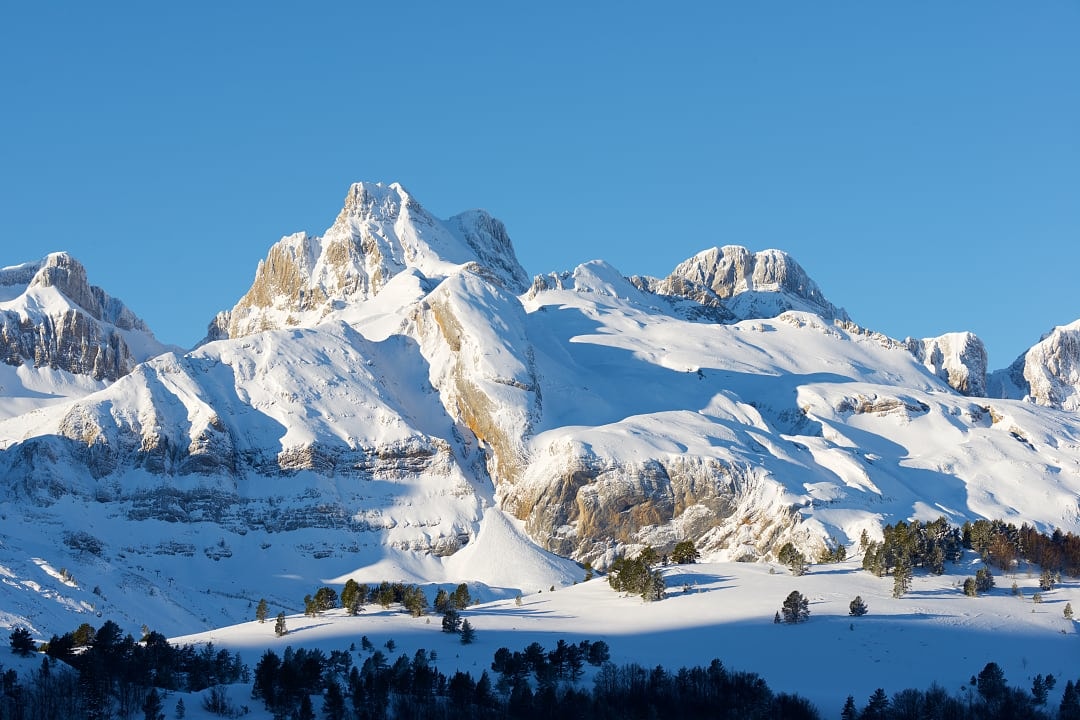
Sierra Nevada, Spain

Sierra Nevada, Spain

Spain in winter is steam rising off a bowl of cocido in a Madrid taberna, bitter oranges bright against Córdoba's cold stone, and the hush of a Sierra Nevada slope before the first lift. Roasted chestnuts smoke on street corners under the Christmas lights. In the north, woodsmoke and rain settle over green hills. The days keep Spanish hours: lunch at 2 p.m., dinner after 9 p.m., and a coffee somewhere in between.

The country spans three climates you can cross in a single week: snow on the Sierra Nevada, afternoons in the low 60s°F in Seville and Málaga, and highs near 70°F in the Canary Islands. A Spain winter vacation can take in all three. Ski above Granada in the morning, sit down to lunch in the city at 2 p.m., and spend the rest of the week in Seville, with the Three Kings parades in January and Cádiz Carnival in February.

Extraordinary travel begins with a human touch, and our destination specialists design every journey with care, insight, and personal attention. As you consider a visit to Spain in winter, use the following information as a guide before connecting with our travel experts to help you plan your trip.

Is Winter a Good Time to Visit Spain?

Guggenheim Museum in Bilbao, Spain

Yes. Winter is a strong season for Spain's cities, museums, food, and the south, and a weak one for beaches outside the Canary Islands. It is also the least crowded time of year. Between January 7 and Carnival, the Prado, Alhambra, and Mosque-Cathedral of Córdoba typically see their lightest visitor numbers.

Spain is usually cheaper in winter from January 7 through the end of February. The exceptions are Carnival week in Cádiz and weekends at the Sierra Nevada ski resort. Christmas through January 6 is priced like high season.

What Winter Offers

  • Walking Weather: Seville, Córdoba, and Granada are at their most comfortable for sightseeing on foot between December and February.
  • Festival Calendar: Christmas markets, the Three Kings parades, San Sebastián's Tamborrada, and Cádiz Carnival all fall within these three months.
  • Orange Harvest: Seville's more than 14,000 bitter orange trees hang heavy with fruit through the winter.
  • Cold-Weather Cooking: Oxtail stew in Córdoba, milk-fed lamb in Ribera del Duero, and the Basque cider-house season all belong to winter.
  • Ski Season: Lifts in the Sierra Nevada, about 20 miles from Granada, are scheduled to turn from late November into late April.

Trade-offs to Consider

  • Short Days: At the December solstice, Madrid gets a little over nine hours of daylight and Seville about nine and a half, and the sun sets before 6 p.m. in Madrid.
  • Holiday Closures: The Prado and the Alhambra close on December 25 and January 1, most shops close on January 6, and many restaurants close early on December 24 and 31, so confirm hours for each attraction.
  • Northern Rain: Bilbao averages about 12 rainy days a month in December and January.
  • Closed Resorts: Many beach accommodations in Mallorca close from roughly November through March, and beach weather is realistic only in the Canary Islands.
  • Cold Evenings: Madrid's winter lows sit in the high 30s°F, so pack a warm coat for dinners that start after 9 p.m.

Spain Weather in Winter by Region

Pyrenees, Spain
Pyrenees, Spain

Spain is cold in winter only in some places. Expect snow in the Sierra Nevada, highs in the 60s°F on the Costa del Sol, and highs near 70°F in the Canary Islands. Average daily highs and lows from AEMET, Spain's national weather agency, are as follows:

  • Madrid: December 50°F / 38°F, January 50°F / 37°F, February 54°F / 39°F
  • Seville: December 62°F / 45°F, January 61°F / 42°F, February 65°F / 45°F
  • Barcelona: December 58°F / 42°F, January 56°F / 40°F, February 58°F / 42°F
  • Bilbao: December 57°F / 43°F, January 56°F / 41°F, February 58°F / 41°F
  • Málaga: December 64°F / 48°F, January 62°F / 45°F, February 64°F / 47°F
  • Santa Cruz de Tenerife: December 72°F / 62°F, January 70°F / 60°F, February 70°F / 60°F

Southern Spain

In Andalusia (Andalucía) and along the Costa del Sol, winter afternoons stay warm enough for lunch on an open terrace. Orange trees fruit against whitewashed walls and the smell of frying pescaíto drifts out of Málaga's beach bars. The Sierra Nevada belongs to the south as well. Pradollano, its ski village, sits about 20 miles from Granada, which puts snow and a Seville lunch within the same week.

Central Spain

Madrid's lights stay up from late November until after Three Kings. Nights in the high 30s°F fill the city's old cafés, with their thick hot chocolate, dark sherry, and worn wood. Toledo is about 35 minutes away by high-speed train and an overnight stay gives you its stone lanes after the day-trip coaches leave in the late afternoon.

Northern Spain

Along the coast of the Basque Country (País Vasco) and into the Picos de Europa, winter brings rain, mist, and a damp green stillness the region wears well. The Basque cider houses, the sidrerías, typically open their txotx season in mid-January, when the new cider is poured straight from the barrel. Pintxos bars glow warm against the weather outside. For more seasonal guidance, see spain.info's winter travel page.

Spain in December, January, and February

Plaza Mayor Christmas Market in Madrid

Each winter month has its own draw. December brings lights, markets, and holiday crowds. January brings Three Kings and then the quietest weeks of the year. February brings Cádiz Carnival, almond blossoms in Mallorca, and the Seville orange harvest.

Spain in December

Christmas in Spain starts in late November, when Madrid switches on its street lights. December is the country's most festive and most expensive winter month. The week between Christmas and New Year draws the heaviest travel of the season, so reserve central hotels in Madrid, Seville, and Granada by early fall.

  • Madrid Market: The Plaza Mayor Christmas Market runs from late November through December 31, 2026, with more than 100 stalls selling turrón and figures for belenes, the nativity scenes families build at home.
  • Barcelona Fair: The Fira de Santa Llúcia fills the square in front of Barcelona's cathedral and traditionally runs until December 23.
  • Holiday Weekend: December 6 and 8 are national holidays, and the long weekend between them fills trains, city hotels, and the Sierra Nevada slopes.
  • Lottery Day: On December 22, the country stops to watch the El Gordo Christmas lottery draw and on Nochebuena, December 24, families gather at home.
  • Midnight Grapes: On Nochevieja, December 31, crowds pack Madrid's Puerta del Sol to eat 12 grapes on the 12 chimes of midnight.

Spain in January

January opens with Three Kings Day (Día de Reyes), the day Spanish children receive their gifts. The weeks after the holiday are the quietest of the year, which makes January the strongest month for museums, city stays, and short-notice bookings.

  • Parade Night: On the evening of Tuesday, January 5, 2027, every city holds a Cabalgata de Reyes, with the three kings riding floats through the streets and tossing candy into the crowds.
  • Gift Morning: On January 6, families share a ring-shaped roscón de reyes, and shops close for the national holiday.
  • Winter Sales: The rebajas traditionally begin on January 7 in department stores and boutiques across the country.
  • Open Calendars: From January 7 to the end of the month, Alhambra time slots and midweek ski days with short lift lines are at their easiest to book.
  • Basque Drums: On January 20, San Sebastián marks its patron saint's day with the Tamborrada, 24 hours of drumming through the Parte Vieja (Old Town).

Spain in February

February is the warmest of the three winter months in the south, with Seville averaging a high of 65°F. It is also the month when the season's two biggest draws in the south and the islands, Carnival and blossom, arrive together.

  • Seville Oranges: The city's bitter oranges, known as Seville oranges, are harvested from its street trees in late winter and much of the sour fruit has long gone to marmalade makers.
  • Almond Orchards: In Mallorca, about seven million almond trees bloom between late January and early March, and the island's center peaks from late January to mid-February.
  • Carnival Fortnight: Cádiz Carnival runs from February 4 to 14, 2027, with 11 days of street parties, satire, and song.
  • Carnival Lodging: Hotels in Cádiz's old town book up months ahead, so reserve early or stay in El Puerto de Santa María or Jerez and come in by train.
  • Island Carnival: Santa Cruz de Tenerife holds its own Carnival, usually in February, and its dates are worth checking before you book the Canary Islands.

Where to Go in Spain in Winter

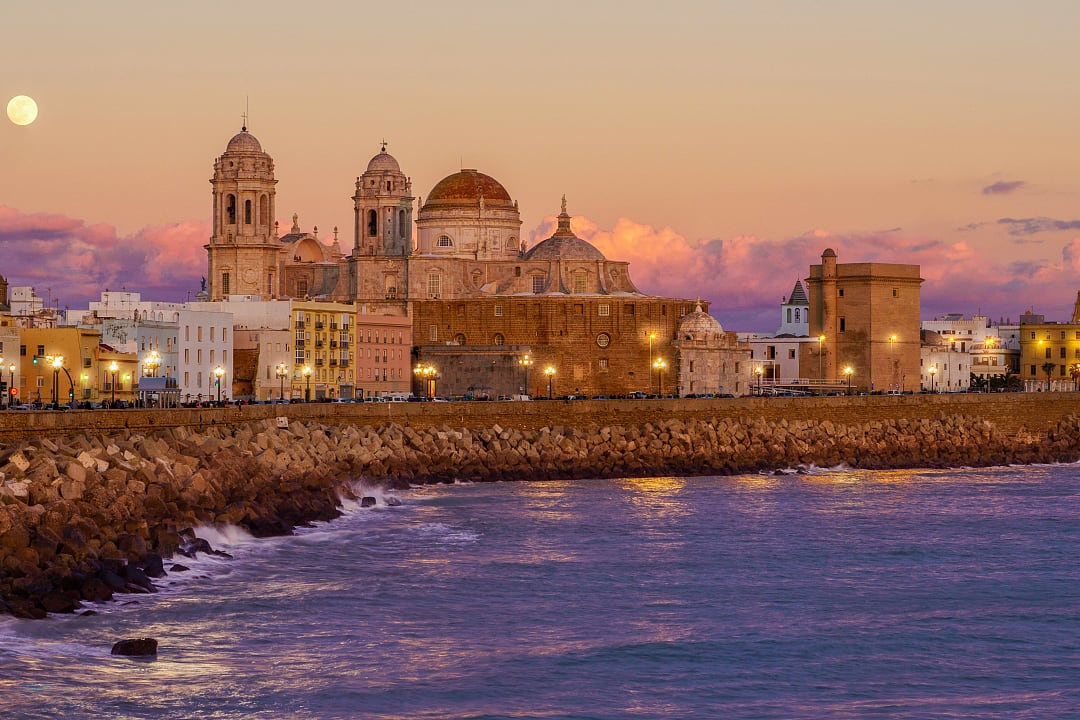
Cádiz, Spain
Cádiz, Spain

The best city to visit in Spain in winter is Seville. It has the warmest afternoons of any major mainland city, averaging 61°F to 65°F. It sits about 45 minutes from Córdoba by high-speed train and within a morning's reach of Granada's snow. The best places to visit in Spain in winter, below, are grouped by what each does best.

Seville and Córdoba: Best for Culture and Architecture

Give Seville three nights and Córdoba one, connecting them by high-speed train in about 45 minutes. The two cities hold Andalusia's densest concentration of Moorish and Mudéjar architecture, and winter is when their monuments and lanes are most comfortable to take in on foot.

Córdoba's old Jewish Quarter, the Judería, rewards a midday walk, when the low sun cuts sharp shadows across whitewashed walls. Seville repays three nights with palaces, towers, and a riverside neighborhood that comes alive after dark.

  • Early Mezquita: From Monday to Saturday, the Cathedral Chapter admits individual visitors to the Mosque-Cathedral of Córdoba (Mezquita) free from 8:30 a.m. to 9:30 a.m., when cool air settles among more than 800 columns and red-and-white arches stretch into a dim, echoing distance. Winter hours are on the Mosque-Cathedral's official site.
  • Orange Courtyard: On your way out, cross the Patio de los Naranjos, where bitter oranges hang on the trees all winter.
  • Córdoba Table: In a courtyard restaurant behind an unmarked door, order rabo de toro, the oxtail stew that anchors the city's winter menus. Save room for the signature salmorejo, a thick cold tomato soup served year-round.
  • Alcázar Morning: In Seville, book the Real Alcázar for the first entry of the day, then give the afternoon to the cathedral and the climb up the Giralda.
  • Triana Evening: Cross the Guadalquivir to Triana for its tile workshops and a round of tapas before dinner begins after 9 p.m.

Our 8-Day Spain: Andalusia Cultural Tour builds in time in both Córdoba and Seville.

Granada and the Sierra Nevada: Snow and the Alhambra in One Trip

Spend two or three nights in Granada for the Alhambra, the Albaicín, and a morning on the snow. Pradollano, the Sierra Nevada's ski village, is about 20 miles from the city center, roughly a 50-minute drive.

That short distance is the reason Granada leads any winter trip built around contrast. Mountain snow and a Moorish palace city fit into the same two days and Seville's warmth is a single train ride away.

  • Nasrid Palaces: Book timed entry to the Alhambra as soon as your dates are fixed, since the monument closes on December 25 and January 1 and its winter visiting hours are shorter than summer's.
  • Snow Morning: Ski or sled at Pradollano in the morning, then drive down for a 2 p.m. lunch in Granada and see the Alhambra the next day.
  • Albaicín Climb: Walk up through the Albaicín's steep lanes of whitewashed cármenes, the walled garden houses of the old Moorish quarter.
  • Sunset Viewpoint: At the Mirador de San Nicolás, the Alhambra's walls turn gold at sunset, close to 6 p.m. in winter.
  • Alpujarras Villages: With a third day, drive to the white villages of Las Alpujarras on the Sierra Nevada's southern flank, where terraced hillsides face the snow line.

See The Golden Age of Spain: Andalusia Tour, which pairs Granada with Las Alpujarras.

Madrid and Toledo: Best for Museums and Food

Give Madrid three nights: two for the museums and tabernas, and one day for Toledo. The capital holds one of the densest concentrations of painting in Europe and its winter evenings belong to the counters of its oldest bars.

  • Prado Weekday: Plan the Prado for a weekday after January 6, when its Velázquez, Goya, El Greco, and Bosch galleries are at their emptiest. Check its holiday calendar because the museum closes on December 25 and January 1.
  • Reina Sofía: Picasso's Guernica fills a wall of its own and a winter weekday morning gives you room to stand back from it.
  • Taberna Evenings: Warm up with sherry and jamón in a centuries-old taberna near Plaza Mayor, then finish with chocolate and churros.
  • Toledo Train: The high-speed train reaches Toledo in about 35 minutes and in the City of Three Cultures, the Christian, Jewish, and Muslim quarters are layered so closely that the transitions barely register underfoot.
  • Alcázar Dusk: After the soft winter light of the cathedral's stained glass, climb toward the Alcázar a little before 6 p.m., when the river bend below catches the last color of the day.

Our Enjoyable 8-Day Spain Vacation: History, Culture and Nature includes time in Madrid and Toledo.

Costa del Sol and the Canary Islands: Warmest Places in Spain in Winter

The Canary Islands are the warmest place in Spain in winter. Santa Cruz de Tenerife averages highs of 70°F to 72°F from December through February, with lows near 60°F.

On the mainland, the Costa del Sol is warmest. Málaga averages highs of 62°F to 64°F and holds the mildest nights on the mainland, with December lows near 48°F. Together, the islands and this coast are Spain's two answers to winter sun, one subtropical and one Mediterranean.

  • Tenerife Beaches: Tenerife and Gran Canaria are under three hours by air from Madrid, and winter here means beach mornings and lunch outdoors.
  • Teide Snow: Mount Teide, Spain's highest peak at 12,188 feet, sometimes carries snow above swimming weather on Tenerife's coast.
  • Picasso Museum: In Málaga, the Museo Picasso fills a morning a few streets from the cathedral.
  • Marbella Golf: A midday round or a coastal walk in Marbella comes with sun on your face in January.
  • Terrace Lunch: A long, unhurried lunch on an open-air terrace follows, with the sea a flat silver line in the distance, though the air cools quickly after sunset, so book dinner indoors.

Our tours and vacations of southern Spain can include Málaga and Marbella, while our Exquisite Spanish Honeymoon: Canary Islands Tour centers on Tenerife.

Bilbao and San Sebastián: Best for Food Lovers

Bilbao and San Sebastián are Spain's strongest pairing for a food-led winter trip. The rain that keeps the hills green also drives the Basque table indoors, to bar counters, cider halls, and long lunches. The two cities are about an hour and 15 minutes apart by road.

  • Serra Steel: The Guggenheim Museum Bilbao holds Richard Serra's The Matter of Time, a gallery-long walk-through installation of weathering-steel spirals best seen on a weekday morning.
  • Riverfront Sculptures: Jeff Koons's flower-covered Puppy guards the museum's entrance, and Louise Bourgeois's giant spider, Maman, stands on the riverfront.
  • Casco Viejo: As the evening rain sets in, settle into a pintxos bar in Bilbao's old town, the counter crowded with small plates and the room loud with local conversation.
  • Txotx Season: From mid-January, book a cider-house dinner outside the city, where the new cider is poured straight from the barrel.
  • San Sebastián: Plan a night in the Parte Vieja for pintxos, timing your stay for the Tamborrada drummers on January 20.

Our Essence of Northeastern Spain Tour connects Bilbao with the Basque Country and Rioja wine country.

Cádiz: Best for Couples and Carnival

Cádiz was founded by the Phoenicians about 3,000 years ago and is widely cited as one of Western Europe's oldest cities. The Atlantic almost surrounds its compact old town and the sea is audible somewhere close even where it is out of sight.

It is under two hours from Seville by train. Carnival week needs early planning, since old-town hotels book up months ahead. El Puerto de Santa María and Jerez make good bases a short train ride away.

  • Dusk Walk: Walk the narrow streets of the old town at dusk, when lamplight catches the pale stone and the smell of salt comes in off the water.
  • La Caleta: Share a plate of fried fish at a table near La Caleta beach as the winter sun sets around 6 p.m.
  • Carnival Dates: Cádiz Carnival runs from February 4 to 14, 2027, when the city becomes a stage for its satirical song groups, the chirigotas and comparsas.
  • Falla Final: The Gran Final of the official competition is at the Gran Teatro Falla on February 5, with the main parade on February 7 and individual event times posted on Cádiz City Council's schedule.
  • Midweek Songs: The weekdays from February 8 to 10 are the easiest time to hear the songs up close in the squares.

Include Cádiz in a broader Andalusian route your specialist can tailor for two. See our Spain tours for couples.

Mallorca: Best for Families

Base a family in Palma. Many beach resorts in Mallorca close from roughly November through March. Palma, Sóller, and the Tramuntana villages stay open, with winter highs around 59°F to 60°F.

Palma is the island's most practical winter base for families, since its sights sit within a short drive of each other. From late January, the almond orchards in the island's center turn white and pink.

  • Palma Aquarium: The aquarium fills a rainy morning, a short drive from the city center.
  • Bellver Castle: The circular castle above the bay pairs with an afternoon at the cathedral on Palma's waterfront.
  • Sóller Train: The wooden train, running since 1912, climbs through the Serra de Tramuntana on a reduced winter timetable.
  • Tramuntana Hike: A lower mountain trail gives children sharp, clean air and long views of the coastline below.
  • Valldemossa Bakery: Share an ensaimada, Mallorca's coiled pastry, in a village bakery after the walk.

See our Spain family vacations for family itineraries your specialist can adapt to Mallorca.

Winter Festivals in Spain

The Cabalgata de Reyes parade

Spain's winter festivals run from the Christmas markets of late November to Cádiz Carnival in mid-February. Two of them, Three Kings and Carnival, happen only in winter.

  • Christmas Season: Madrid's Plaza Mayor market runs from late November through December 31, 2026. The season ends with 12 grapes at Puerta del Sol at midnight on December 31.
  • Three Kings: The Cabalgata de Reyes parades take place on the evening of January 5, 2027, followed by Día de Reyes on January 6, a national holiday.
  • Tamborrada Drumming: San Sebastián drums for 24 hours from midnight on January 20.
  • Almond Blossom: Mallorca's orchards flower from late January into early March.
  • Cádiz Carnival: The festival runs February 4 to 14, 2027, and a smaller, looser Carnaval Chiquito follows about a week later.

What to Do in Spain in Winter

Toledo, Spain
Toledo, Spain

The best winter activities in Spain are skiing in the Sierra Nevada, tasting in Rioja and Ribera del Duero, and hiking the lower valleys of the Picos de Europa.

Skiing in the Sierra Nevada

The Sierra Nevada is in Andalusia, about 20 miles from Granada, roughly a 50-minute drive. It is Europe's southernmost major ski resort, with lifts reaching close to 10,800 feet. The 2026–27 season is scheduled to run from November 28, 2026, into late April 2027, snow permitting, and the Sierra Nevada resort's site posts current lift status. Its southern latitude gives it a quality few European resorts share: skiing that ends within an hour of a Moorish palace and a warm city lunch.

  • Midweek Skiing: The slopes mainly draw Spanish skiers, so weekends, long weekends, and Christmas through January 6 are busy, and midweek lift lines are usually short.
  • Sea Views: On clear days, the upper runs look out toward the Mediterranean, a rare pairing of alpine skiing and a sea view in the same sightline.
  • Borreguiles Break: At the Borreguiles mid-station, about 8,780 feet up, cafés serve thick hot chocolate with the slopes rising straight above.
  • Alhambra Pairing: Ski the morning, drive down for a 2 p.m. lunch in Granada, and see the Alhambra that afternoon on a booked late entry or the next morning.
  • Seville Onward: Spend the rest of the week in Seville, where afternoons reach the low 60s°F.

Rioja and Ribera del Duero Wine Country

Winter is pruning season in Spain's two best-known red-wine regions, and many bodegas keep tasting rooms open by appointment. Ribera del Duero is about two hours north of Madrid and La Rioja about an hour south of Bilbao, so each links to a city stay.

  • Laguardia Cellars: Centuries-old stone cellars run in tunnels beneath the medieval town, their cool, damp air meeting the warmth of the tempranillo in your glass.
  • Bare Vineyards: Walk a vineyard's winter rows, where the dormant vines stand skeletal against the hills.
  • Aranda Lamb: In Ribera del Duero, a glass of red goes with lechazo asado, milk-fed lamb roasted in the wood-fired ovens around Aranda de Duero.
  • Haro Bodegas: Haro's historic wineries sit clustered near the town's railway station, close enough to visit two in a morning.
  • Advance Reservations: Many wineries close on December 25, January 1, and January 6, so reserve tastings ahead.

Our Authentic Food and Wine Spain Tour includes both Ribera del Duero and Rioja.

Picos de Europa: One of Spain's Hidden Gems in Winter

The Picos de Europa became Spain's first national park in 1918 and most of its visitors come in summer. In winter, the range is a walking destination in its lower valleys and the snow line on the peaks above is part of the view.

  • Covadonga Valley: The lower trails around Covadonga stay walkable through most of the winter.
  • Limestone Spires: Low winter light catches the range's pale peaks in the early afternoon.
  • Mountain Guides: High routes call for snow equipment and a local guide.
  • Village Base: Cangas de Onís makes a convenient base, with restaurants, lodging, and quick access to the park.
  • Asturian Fabada: Afterward, share a bowl of fabada, the region's bean stew, by the fire in a village restaurant.

A 10-Day January Route

Museo del Prado in Madrid

If you enjoy museums and food, 10 days in January can cover Madrid, Córdoba, Seville, and Granada by high-speed train, over nine nights split 3-1-3-2. Start after January 6 to avoid the holiday closures.

Days 1–3: Madrid (three nights). Spend two days on the Prado, the Reina Sofía, and the tabernas around Plaza Mayor. Give one day to Toledo, about 35 minutes each way by train.

Day 4: Córdoba (one night). Take the train from Madrid, about one hour and 45 minutes. Walk the Judería in the afternoon and have rabo de toro for dinner.

Days 5–7: Seville (three nights). Visit the Mezquita at 8:30 a.m., then take the 45-minute train or a private transfer to Seville. Over three days, see the Real Alcázar, the cathedral and the Giralda, Triana, and the city's orange-lined streets.

Days 8–9: Granada (two nights). The train from Seville takes about 2.5 hours. See the Alhambra on a timed entry, with an optional ski morning in the Sierra Nevada on day nine.

Day 10: Departure. Fly home via Madrid or take the train back to Madrid, about 3.5 hours.

Our Best of Madrid and Andalusia Tour: Madrid, Seville, Granada, and Córdoba covers the same four cities.

Spain in Winter FAQ

Coastal road overlooking Benijo Beach and the rugged Anaga Mountains in Tenerife, Canary Islands

Is Spain worth visiting in winter?

Yes, for cities, museums, food, festivals, and southern Spain. Beach holidays work only in the Canary Islands, where highs stay near 70°F from December through February.

What is the warmest place in Spain in winter?

The Canary Islands. Santa Cruz de Tenerife averages highs near 70°F in February; Málaga and the Costa del Sol are the mildest mainland choices.

Does it snow in Spain?

Yes, in the mountains. The Sierra Nevada near Granada, the Pyrenees, and the Picos de Europa get regular winter snow. Madrid averages about one snow day a month in winter and Seville and Málaga almost never see snow.

What is closed over the winter holidays in Spain?

The Prado and the Alhambra close on December 25 and January 1. January 6 is a national holiday, when most shops close, and on December 24 and 31, many restaurants close early or serve set menus.

Can you ski and visit the Alhambra on the same trip?

Yes. The Sierra Nevada ski area is about 20 miles from Granada, so a ski morning and an Alhambra visit fit into the same trip, even the same day with a booked late entry.

When is Cádiz Carnival?

Cádiz Carnival runs from February 4 to 14, 2027. The official competition final is at the Gran Teatro Falla on February 5, and old-town hotels book up months ahead.

Plan Your Trip to Spain in Winter

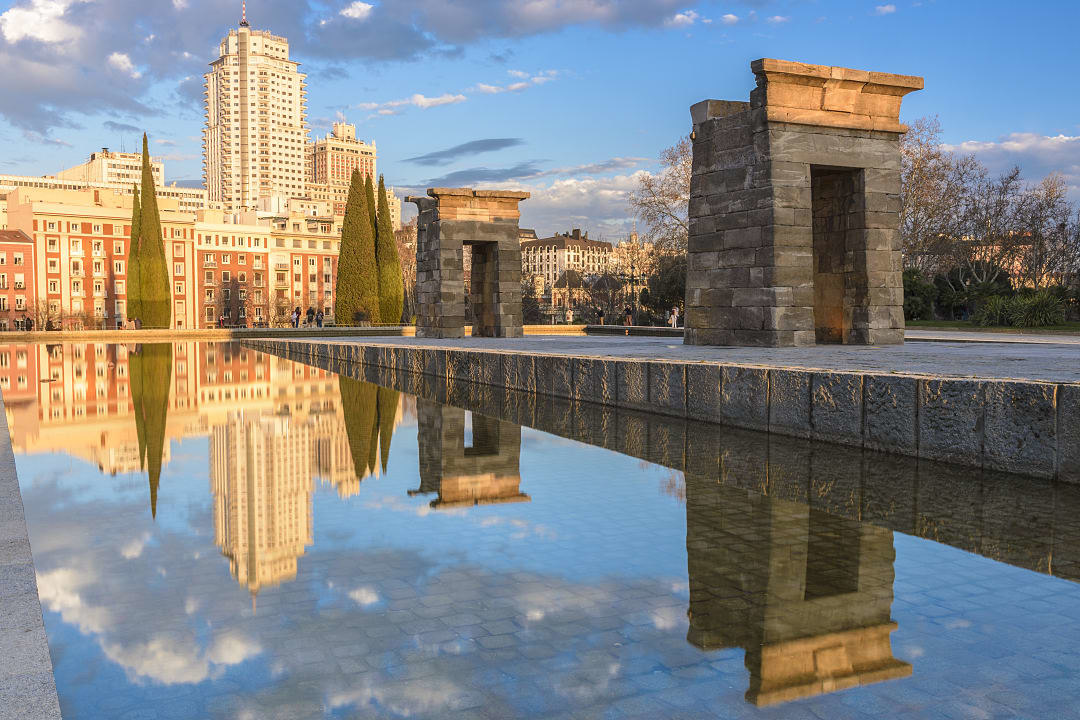
Temple of Debod in Madrid, Spain

A Spain winter vacation can hold snow above Granada, oranges on Seville's trees, and a long lunch in the Canary Islands sun. December brings markets and lights, January brings Three Kings and quiet galleries, and February brings Carnival and almond blossom. Choose the region first, then the month, and our specialists will take care of the rest.

For year-round comparisons, see our guide to the best time to visit Spain. For more ideas, explore our Spain travel guide or our Spain tours and vacations, then connect with a travel specialist to build a winter itinerary around your dates.

30,000+ Verified Traveler Reviews