Best Time to Visit Peru

Vinicunca rainbow mountain, Cusco, peru

Vinicunca rainbow mountain in Cusco, Peru

The best time to visit Peru depends on where you want to go because the country has three climates at once. The month that brings cloudless days to Cusco wraps Lima in gray, and the season that warms the Pacific beaches sends rain across the Andes, so any single "best month" is wrong somewhere. Planning by region, then sequencing those regions, is what turns the calendar to your advantage.

In the dry season, morning mist lifts off the terraces of the Sacred Valley under a hard blue sky and the cold air smells of woodsmoke by evening. At high water in the Amazon, a canoe slides along flooded channels where the river has risen into the treetops and the only sounds are birds and dripping leaves. From the cold, clear air of the Andes to the warm Pacific breeze along Lima's clifftops, Peru changes character with the calendar and with every thousand feet of altitude.

Extraordinary travel begins with a human touch, and our destination specialists design every journey with care, insight, and personal attention. As you consider a luxury visit to Peru, remember that it lies in the Southern Hemisphere, so its seasons are the reverse of North America's: Peru's summer runs from about December to March, and its dry Andean winter from about May to September. Use the following information to guide you, then connect with our travel experts. They will customize a journey especially for you.

When Is the Best Time to Visit Peru?

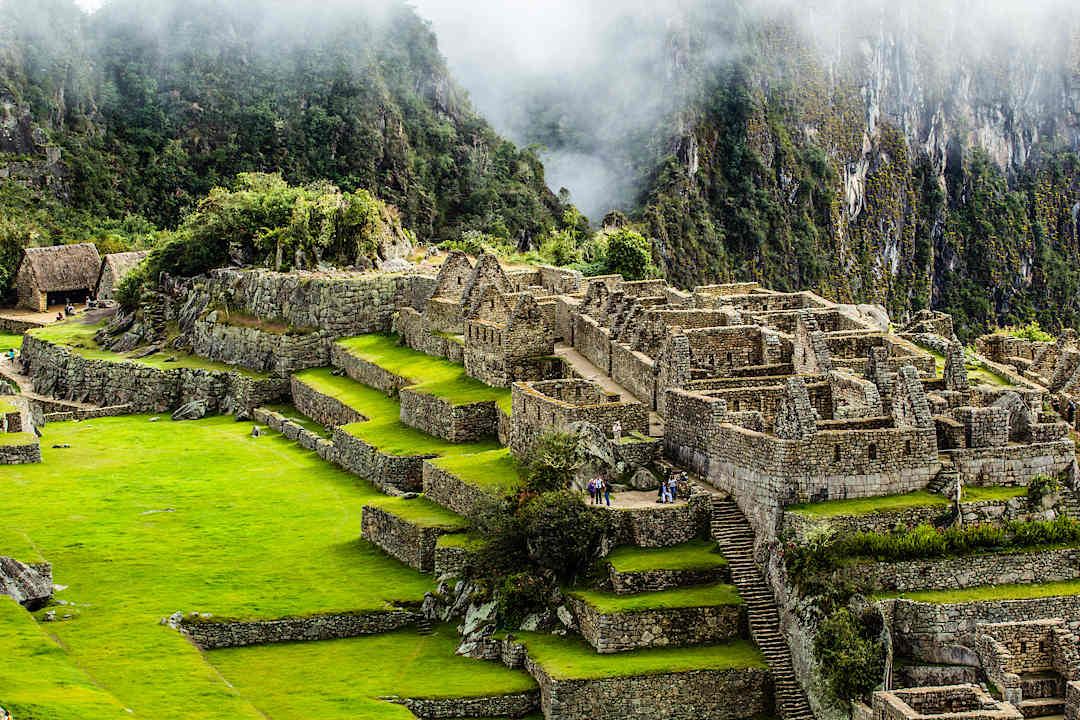
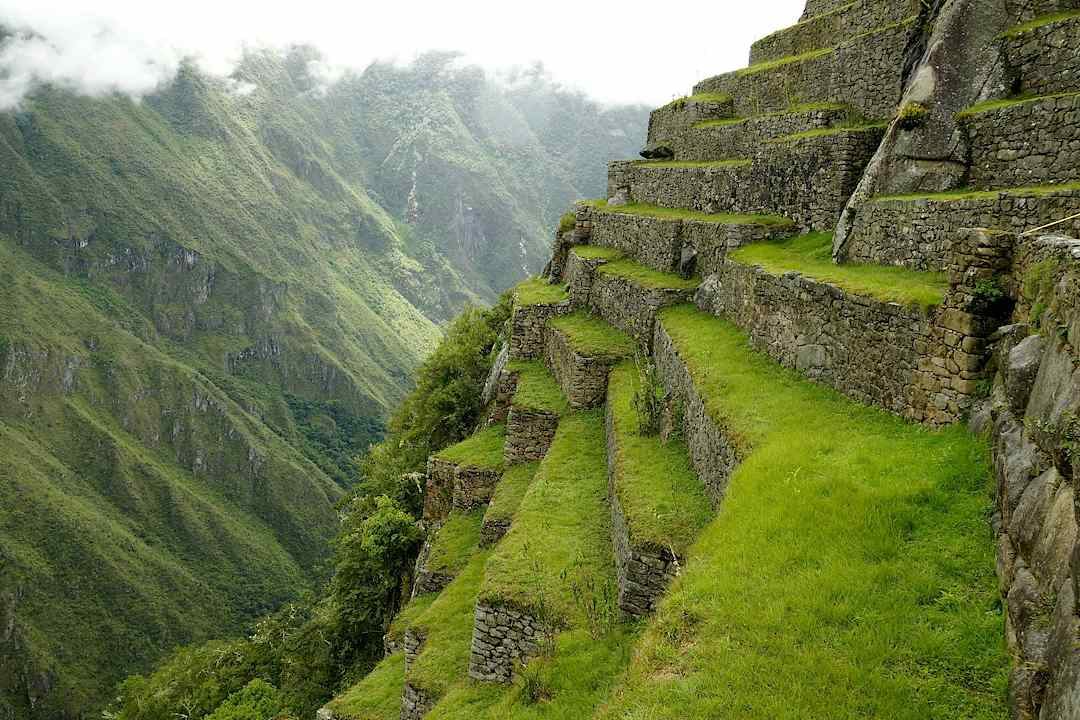
Machu Picchu, Peru.
Machu Picchu, Peru.

The best time to visit Peru is during the dry season, from May to September, when the Andes see clear skies and little rain, Machu Picchu and the Inca Trail are at their most reliable, and Amazon trails are firm. May and September deliver dry-season weather with fewer visitors than the June to August peak, while December to March is the best time for Peru's Pacific beaches.

  • Best Overall: May to September, the Andean dry season.
  • Fewer Crowds: April and May, or September and October.
  • Machu Picchu: April to June, after the rains and before the July and August peak.
  • Pacific Beaches: December to March, the coast's sunny summer.
  • Rainiest Months: January and February in the Andes. The Inca Trail closes every February, while Machu Picchu itself stays open.

Peru Weather by Region

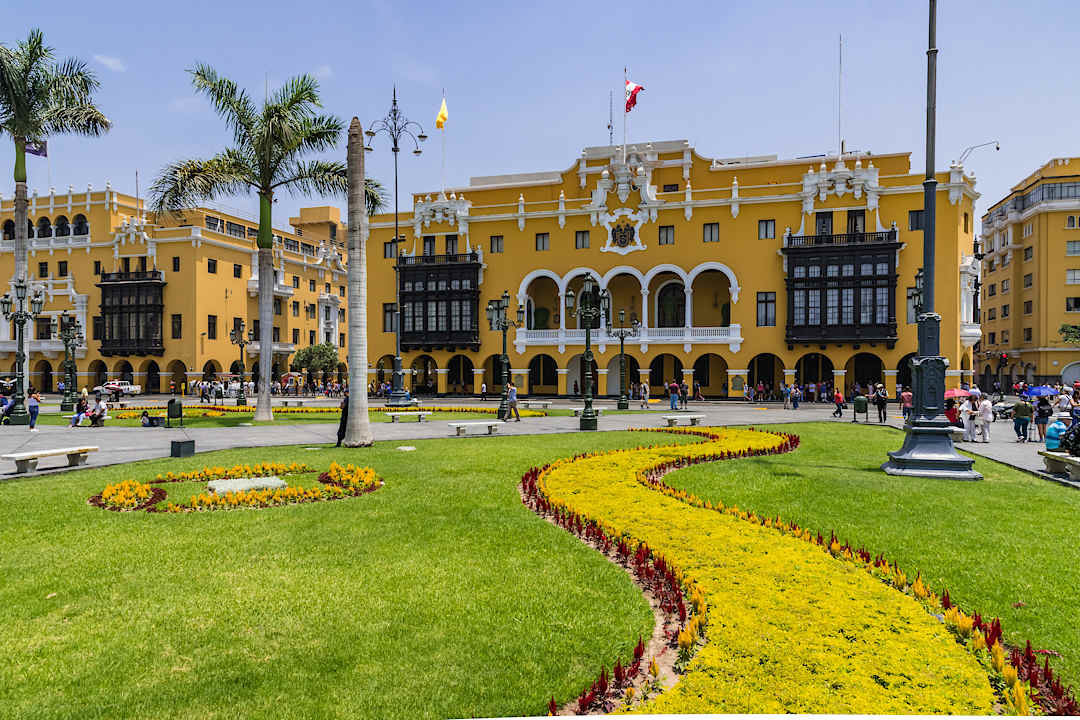
Lima Square, Peru.
Lima Square, Peru.

Peru's weather depends less on the month than on where you are. The country rises from a desert coastline to Andean peaks above 20,000 feet before descending into the Amazon basin, so planning a trip means reading three calendars at once.

  • Pacific Coast: Lima and the southern desert coast are almost rainless year-round, with sunny summers from December to March and a cool, overcast garúa from about June to September. The best time to visit Lima is December to March, when the sun breaks through, and the sea is warmest.
  • Andean Highlands: Cusco, the Sacred Valley, and Lake Titicaca have a dry season from May to September, with sunny days and cold nights, and a rainy season from November to March that peaks in January and February.
  • Amazon Rainforest: The Peruvian Amazon stays hot and humid year-round, with higher water and heavier rain from about December to May and lower, drier conditions from about June to November. The northern Amazon around Iquitos is river-cruise country, while the southern Amazon around Tambopata and Puerto Maldonado is the place for lodge stays and forest walks.

Temperatures and Rainfall at a Glance

Average daily highs and lows and monthly rainfall, from SENAMHI 1991 to 2020 climate normals.

  • Lima: Highs of about 81°F and lows of 65°F in February, falling to highs of 71°F and lows of 53°F in July and August, with almost no rain in any month.
  • Cusco: Highs of 68°F to 72°F all year, with nights from about 30°F in July to 46°F in February. Rain ranges from about 5.7 inches in January to 0.1 inches in June.
  • Machu Picchu: At about 7,970 feet, roughly 3,000 feet lower than Cusco, the citadel is milder at night and more humid, and clouds often settle over the ruins in the early morning even in the dry season.
  • Puno and Lake Titicaca: Highs of 59°F to 64°F all year, with nights from about 31°F in June and July to 43°F in January and February. Rain ranges from about 6.2 inches in January to 0.1 inches in June and July.
  • Iquitos: Highs near 90°F and lows near 70°F all year, with rain every month, from about 5 inches in July and August to about 10 inches in November.

That means no single month is perfect everywhere. A July itinerary can pair cloudless days in Cusco with a gray morning in Lima, while a February trip can bring beach weather on the coast and downpours in the mountains.

Best Time for Sightseeing

Amazon rainforest in Peru

Best Months: May • June • July • August

The best time to travel to Peru for a multi-region sightseeing circuit is May to August, when dry weather in the south keeps flights, trains, and mountain roads on schedule from Lima to Cusco, Arequipa, and the Nazca Desert. A route that strings together four or five cities depends on every connection working, and these are the months when weather delays are least likely. They are also the high-season months, so major sites are busiest and entry times, train seats, and guides should be booked well ahead.

What to Expect

  • Desert Lines: Rise above the Nazca Desert in a small plane as the hummingbird, monkey, and spider geoglyphs appear one by one in the pale, dry earth below.
  • Fortress Walls: Stand beside the giant, zigzagging stone walls of Sacsayhuamán above Cusco, some blocks taller than you, fitted so closely that no blade could slip between them.
  • White City: Stroll through Arequipa's Plaza de Armas, its arcades and cathedral built from pale volcanic sillar stone that glows in the late-afternoon sun, with El Misti rising behind.
  • Colonial Lima: Follow a private guide through the hushed catacombs beneath Lima's San Francisco Monastery, then out into the bright plaza above.

For inspiration, browse our 10-Day Peru itineraries.

Best Time for a Great Weather

Clear blue waters and craggy coastline of La Mina Beach in Paracas National Reserve, Peru
La Mina Beach in Paracas National Reserve, Peru

Best Months: June • July • August

The driest, sunniest weather in Peru's highlands falls from June to August, the heart of the Andean winter, when Cusco receives only about 0.1 to 0.2 inches of rain a month. The best time to visit Cusco is May to September, and June to August brings its clearest days, with afternoon highs near 70°F. The trade-off is cold: nights in Cusco drop to about 30°F to 33°F, so the warmth of midday and the chill after dark are part of the same day, and layers matter more than at any other time of year. On the coast, Lima sits under its gray winter marine layer through these months.

What to Expect

  • Rainbow Mountain: Leave Cusco before dawn for Vinicunca, whose striped slopes rise to about 17,000 feet, nearly 6,000 feet above Cusco, and reach the ridge in the clear, dry air of the morning, before the afternoon wind picks up.
  • Crisp Nights: Wrap your hands around a warm cup of mate de coca on a Cusco evening in the San Blas quarter, the cold mountain air carrying the smell of woodsmoke through the cobbled lanes.
  • Canyon Thermals: Stand at the Cruz del Cóndor viewpoint above the Colca Canyon in the morning as Andean condors rise on the warming air, close enough to hear the wind in their wings.
  • Lares Valley: Walk with a private guide between the hot springs and weaving villages of the Lares Valley, where alpacas graze below snowcapped peaks, and the trails are dry underfoot.

For a well-paced introduction to the highlands, take a look at our Best One-Week Peru Itinerary: Machu Picchu, Sacred Valley, and More.

Best Time for Beaches

Beach in Mancora, Peru
Mancora, Peru

Best Months: December • January • February • March

The best time to visit Peru's beaches is from December to March, the Pacific coast's summer, when the marine layer burns off, the sun shines most days, and Lima’s highs reach about 77°F to 81°F. This is also the season when Peruvians head to the coast, so beach towns are liveliest around the holidays and on summer weekends. The north coast, around Máncora and Punta Sal, stays sunny and warm for much of the year, while the central and southern coast follows the summer calendar more closely. Because these months are the rainy season in the Andes, a summer beach stay pairs well with a highland trip timed for the drier edges of the season, in late March or early April.

What to Expect

  • Northern Sands: Wade into the warm, gentle surf off Máncora as fishing boats bob offshore and the smell of grilled seafood drifts from the beach.
  • Red Beach: Look down from the cliffs of the Paracas National Reserve onto the rust-red sand of Playa Roja, the blue Pacific breaking against it.
  • Desert Oasis: Race down the towering golden dunes around Huacachina on a sandboard, the lagoon and its palm trees glinting below.
  • Surf Breaks: Watch surfers carve long, rolling waves along Lima's Costa Verde from a clifftop table, a pisco sour cold in your hand.

Best Time to Visit Machu Picchu

Machu Picchu, Peru
Machu Picchu, Peru

Best Months: April • May • June

The best time to visit Machu Picchu is from April to June, when the rains have eased, the surrounding mountains are still green, and the largest crowds of July and August have yet to arrive. Machu Picchu sits at about 7,970 feet, lower and milder than Cusco, and its weather turns quickly: mornings often begin in clouds that lift by late morning, even in the dry season. Entry is by timed ticket on a fixed circuit, with a high-season cap of 5,600 visitors a day. Book at least one month ahead, and two to three months ahead for June to August. Tickets for Huayna Picchu often sell out three to four months ahead.

July is one of the most crowded months at Machu Picchu. Northern Hemisphere school holidays, the Inti Raymi festival in Cusco on June 24, and Peru’s Fiestas Patrias on July 28 and 29 all fall within the broader peak-season window, so trains, entry slots, and Aguas Calientes hotels are in high demand then.

What to Expect

  • Morning Cloud: Watch the mist peel back from the citadel in the first hours after opening, the terraces appearing one level at a time.
  • Mountain Climb: Climb the steep stone steps of Huayna Picchu for a view straight down onto the ruins, the Urubamba River coiling far below.
  • Sun Gate: Walk up to Inti Punku, where the Inca Trail first meets the citadel, and see Machu Picchu as arriving pilgrims once did.
  • Valley Train: Ride the train beside the rushing Urubamba River from Ollantaytambo to Aguas Calientes, the valley narrowing into cloud forest as you descend.

A Zicasso travel specialist can secure your entry slot, circuit, mountain permits, and train seats together. Start with our Classic Machu Picchu and Peru Tour.

Beset Time to Hike the Inca Trail

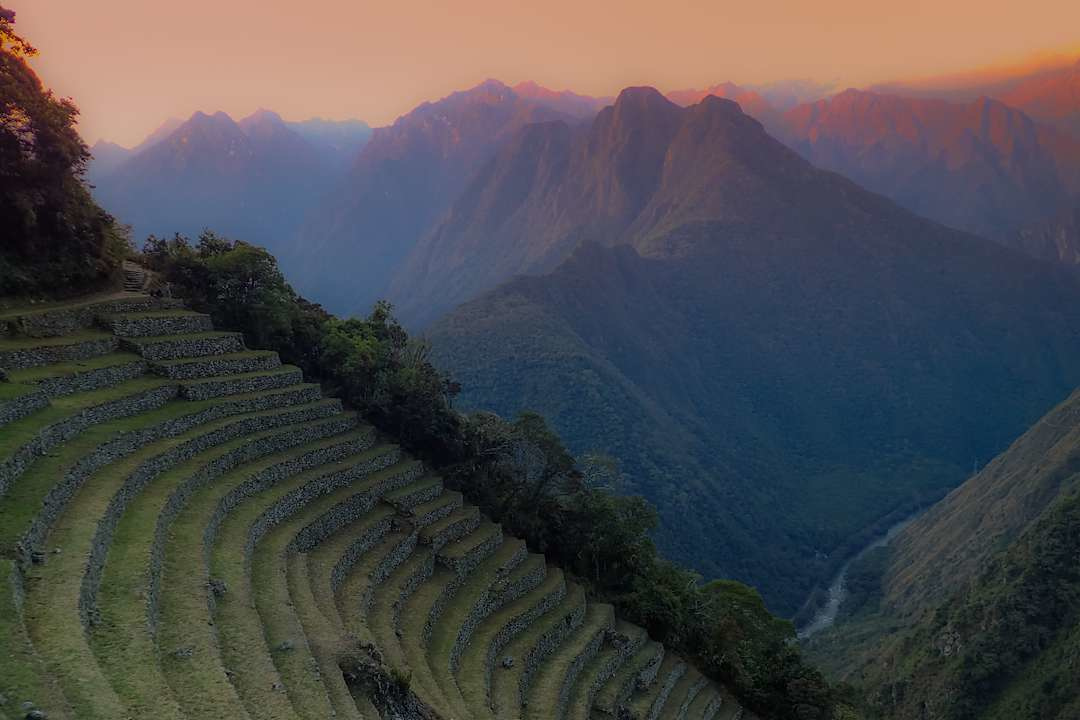
Cusco, Inca Trail.
Cusco, Inca Trail.

Best Months: May • June • July • August • September

The best time to hike the classic four-day Inca Trail is from May to September, the driest months on the trail’s high passes, with May and September offering the best balance of weather and space. Only about 500 people a day, including guides and porters, may start the trail, and every hiker must travel with a licensed operator, so permits for the peak season often sell out months in advance and are among the first bookings to make. The trail closes every February for maintenance, one of the year's two rainiest months. Machu Picchu itself stays open in February, so you can still visit the citadel by train. Travelers who miss out on permits or prefer a quieter route can consider the one-day Inca Trail or treks such as Salkantay and Lares.

Plan your trek with our customizable Peru Trekking Tour from the Sacred Valley to Machu Picchu.

Machu Picchu Tickets and Rules for 2026

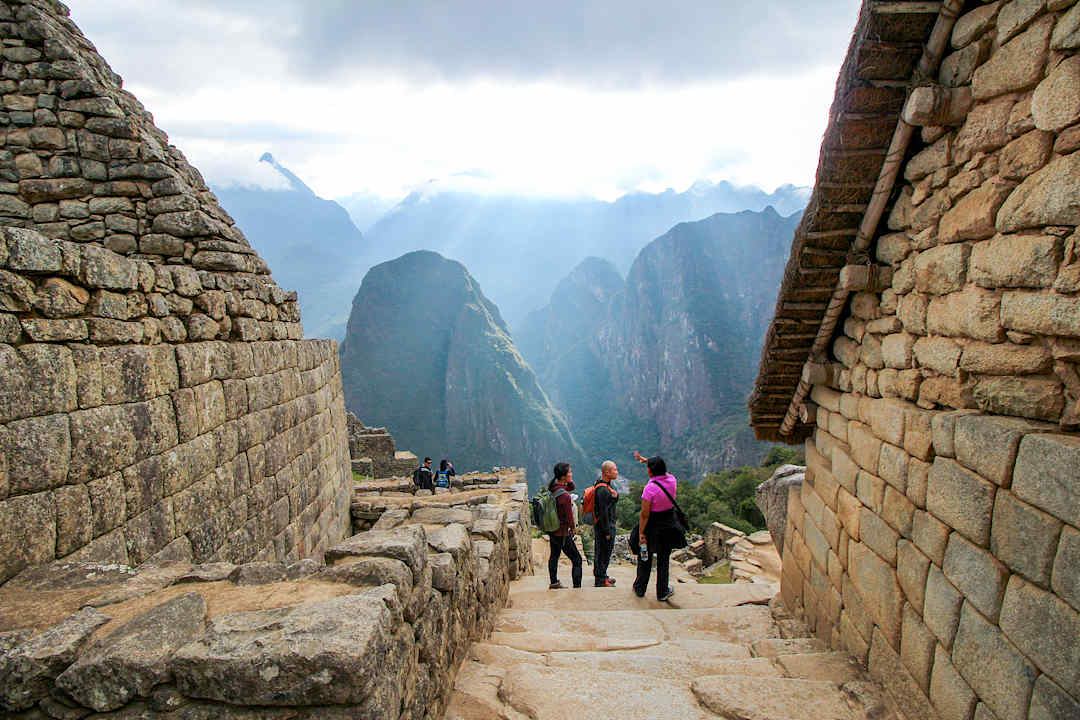
People admiring the Machu Picchu view.

Machu Picchu visits in 2026 run on fixed circuits and timed entry, under rules set by Peru's Ministry of Culture. Knowing them before you book shapes everything else. Rules for 2027 have not yet been released. The Ministry typically publishes the following year’s capacity rules in early November and opens advance sales soon after.

  • Timed Circuits: Every ticket is sold for a specific circuit and hourly entry slot through the official site, tuboleto.cultura.pe, and visitors must stay on the one-way circuit printed on their ticket.
  • Official Guide: Visits to the citadel's circuits are to be made with an official, state-licensed guide, although enforcement at the gate has varied. The mountain trails of Huayna Picchu and Machu Picchu Mountain do not require one.
  • One Entry: Each ticket allows one entry only; you cannot leave and return, so use the restrooms and café at the entrance first.
  • Original Passport: Bring the original passport used to buy the ticket, since the name and number are checked at the gate.
  • Mountain Permits: Huayna Picchu, Machu Picchu Mountain, and Huchuy Picchu each need their own ticket, sold together with your citadel entry and limited to a few hundred climbers a day.
  • Inca Trail Entry: Inca Trail permits are sold only through licensed operators. Sources disagree in 2026 on whether a permit includes the full citadel circuit, so confirm with your travel specialist what your permit covers and whether you need a separate Machu Picchu ticket for the following morning.

High-season caps of 5,600 visitors a day apply on peak dates, including June 19 to November 2, with 4,500 a day the rest of the year.

Best Time to Visit the Amazon

Spider Monkey in Madre de Dios, Peru

Best Months: May • June

The best time to visit the Peruvian Amazon is May and June, the transition from high water to low, when rain is easing, rivers are still full enough for boat excursions, and forest trails are drying out. Highs stay near 90°F year-round, so the choice comes down to which Amazon you visit and how you want to explore it. The northern Amazon around Iquitos is the place for river cruises, and its high-water months from about December to May let boats glide deep among flooded trees. The southern Amazon around Puerto Maldonado and Tambopata suits lodge stays and walking, and its lower-water months from about June to November expose riverbanks, firm trails, and busy clay licks. Tambopata is also a short flight from Cusco, which makes it an easier pairing with the Andes.

What to Expect

  • Flooded Forest: Paddle a canoe between half-submerged trees in the Pacaya-Samiria National Reserve near Iquitos, the water mirror-still and the canopy closing overhead.
  • River Dolphins: Watch pink river dolphins surface beside your boat on the Marañón or Ucayali rivers, their curved backs breaking the dark water before slipping out of sight.
  • Clay Licks: Wait quietly at dawn in a riverside blind in Tambopata as hundreds of parrots and macaws descend on a clay bank, squabbling and shrieking as they jostle for the best spot.
  • Night Sounds: Lie awake in a screened lodge room on the Tambopata River as frogs, insects, and distant howler monkeys fill the darkness with sound.

Combine the rainforest with the Andes on our Amazing Peru Vacation: Inca Trail Trek, Amazon Jungle, and Machu Picchu Tour.

Best Time to Visit Lake Titicaca

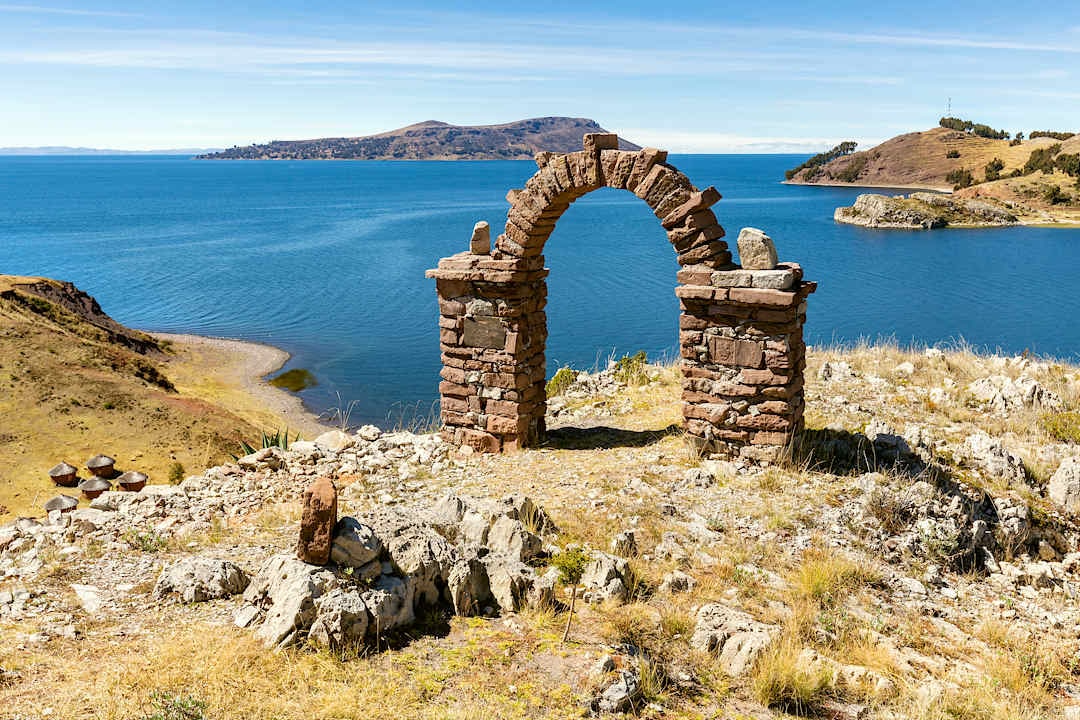
View of Lake Titicaca, Peru.

Best Months: April • May • September • October

The best time to visit Lake Titicaca is in the dry-season shoulder months of April, May, September, and October, when skies are clear and nights fall to about 34°F to 39°F in Puno, without the deepest chill of June and July, when they drop to about 31°F. At about 12,500 feet, the lake is the highest point on most Peru itineraries, so it is best visited after a few days of acclimatization in Cusco or the Sacred Valley. Midwinter brings the bluest skies, while the rainy season from December to March, when Puno receives up to about 6 inches of rain a month, brings green hills and afternoon storms, along with the Virgen de la Candelaria festival in Puno each February, one of the largest celebrations in the Andes.

What to Expect

  • Reed Boats: Glide between the Uros islands in a traditional totora-reed boat, its dragon-headed prow cutting through the still, cold water.
  • Island Stays: Spend a night with a family on Amantaní, sharing a simple dinner of quinoa soup by candlelight before stepping outside into a blaze of stars.
  • Highland Light: Watch the late-afternoon sun turn the lake from deep blue to silver from Taquile Island as the snowcapped Cordillera Real glows across the water.
  • Festival Color: Join the crowds in Puno during the Candelaria festival as thousands of dancers in sequined masks and costumes fill the streets.

Ask your specialist about our Machu Picchu and Lake Titicaca itineraries.

Best Time for Food Tours

Shrimp and octopus pirata from a restaurant in the Chorrilos District of Lima, Peru
Shrimp and octopus pirata

Best Months: May • June • July • August

The best time for a food tour in Peru is from May to August, when dry weather makes it easy to combine Lima's restaurants with highland markets and farms in a single trip. This is harvest and preserving season in the Andes: families freeze-dry potatoes into chuño on the cold, clear nights, and markets in Cusco and the Sacred Valley overflow with corn, grains, and dozens of potato varieties. On the coast, ceviche is best at lunchtime in any season, made from the morning's catch.

What to Expect

  • Market Mornings: Wander the aisles of Cusco's San Pedro Market with a chef, tasting fresh fruit juices and learning to tell one Andean potato from another.
  • Ceviche Lunch: Savor a classic ceviche at a Lima cevichería in Miraflores, the fish just cured in lime with red onion, chile, and a side of sweet potato.
  • Farm Kitchens: Join a farming family near Urubamba in the Sacred Valley to harvest vegetables and cook them over a wood fire for a long lunch with views of the peaks.
  • Pisco Tastings: Learn to make the perfect pisco sour with a bartender in Lima's Barranco district, shaking the egg white until the foam stands thick and white.

Explore our Peru culinary vacations, including our Ultimate Two-Week Gastronomy Tour of Peru.

Best Time to Avoid the Crowds

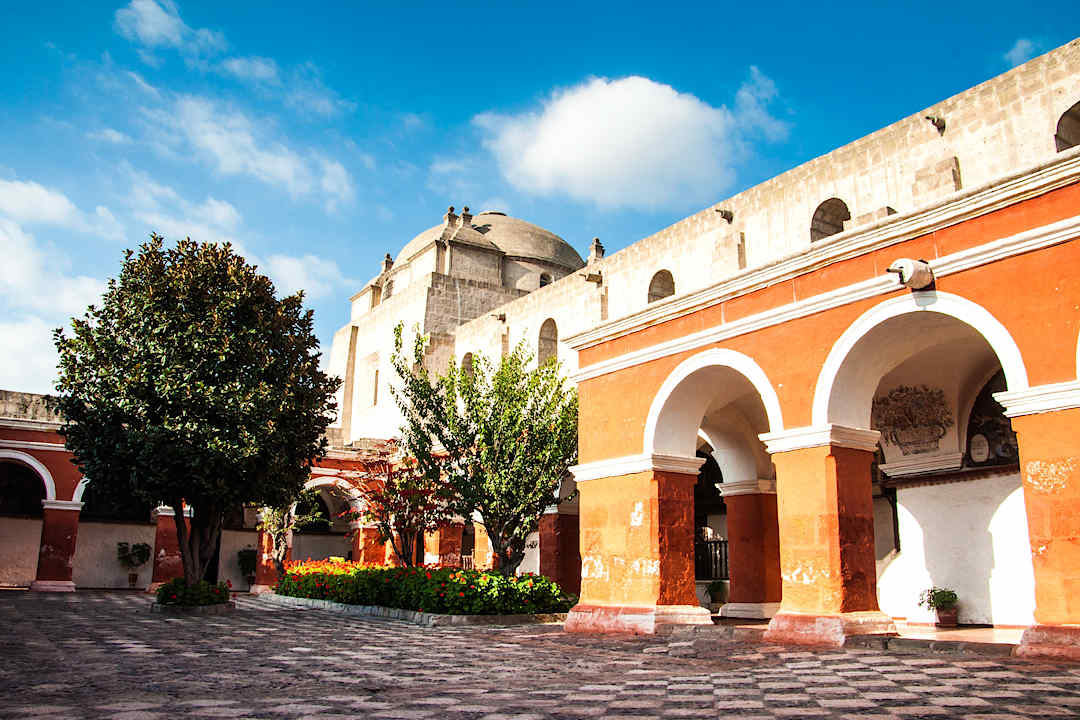
Santa Catalina Monastery, Peru.

Best Months: April • May • September • October

To experience Peru with a sense of space and quiet, travel in the shoulder months of April and May or September and October. May is the standout: the dry season has arrived in the Andes, but the June to August peak, when international visitors and Peru's holidays converge from Inti Raymi on June 24 to Fiestas Patrias at the end of July, has not. In April, the Andes are turning green after the rains and the skies are clearing; in September and October, the dry season lingers before the clouds return. Machu Picchu entry times, trains, and the best guides are easier to secure, often one month ahead rather than three, and the pace of each day becomes more personal.

What to Expect

  • Quiet Cloisters: Wander the ochre and blue lanes of Arequipa's Santa Catalina Monastery, a city within a city, hearing little but your own footsteps on the stone.
  • Open Terraces: Stand at the rim of the circular Inca terraces of Moray in the Sacred Valley, the green rings descending below you with few other visitors in sight.
  • Stone Towers: Walk among the funerary towers of Sillustani on a peninsula above Lake Umayo near Puno, the wind and the call of birds the only sounds.
  • Personal Tastings: Swirl a glass of pisco in a vineyard near Ica as the master distiller explains the grape varieties behind each pour, an unhurried conversation that is far harder to have in peak season.

For more information, take a look at our 7-day Peru itineraries and vacation packages.

Best Time for Families with Children

The Nazca Lines, a group of pre-Columbian geoglyphs etched into desert sand in southern Peru
Nazca Lines

Best Months: June • July • August

For families traveling with children, June to August is the most practical choice because North American school holidays fall squarely within Peru's dry season. Clear highland days make it easier to keep young travelers outdoors, from a morning at the ruins to an afternoon on horseback, and drier conditions in the Amazon make jungle walks more comfortable for small legs. These are also Peru's busiest months, so book Machu Picchu entry times and trains two to three months ahead and family-friendly lodges earlier still. Altitude matters more with children, which is why many family itineraries begin in the Sacred Valley, roughly 1,700 to 2,000 feet lower than Cusco, giving everyone time to adjust before climbing higher.

What to Expect

  • Island Wildlife: Watch your children's faces as a boat rounds the cliffs of the Ballestas Islands off Paracas, revealing sea lions sprawled on the rocks and Humboldt penguins waddling along the ledges.
  • Salt Pans: Walk the narrow paths between the thousands of terraced salt pools at Maras, where children can taste a pinch of pink-tinged salt harvested by hand.
  • Weaving Workshops: Join a Quechua weaver in Chinchero as she crushes a cochineal insect in her palm, turning it brilliant red, and shows the family how the colors of a traditional textile are made.
  • Canopy Walks: Climb a canopy tower above the Tambopata forest, listening for the deep roar of howler monkeys echoing through the trees.

Let our Peru family vacations and tours inspire your trip, including our Best of Peru for Families: Lima, Cusco, and Machu Picchu itinerary.

Best Time for Couples or Honeymooners

Miraflores district and coastline in Lima, Peru
Lima, Peru

Best Months: May • September • October

May, September, and October offer the ideal setting for a private journey, pairing dry-season skies in the Andes with fewer fellow travelers at the places you most want to share. May is the strongest choice for couples who dislike crowds: the rains have ended, Cusco’s nights, at about 34°F, are less bitter than July’s 30°F, and the peak-season rush is weeks away. A 10-day May trip can take in Lima, the Sacred Valley, Machu Picchu, and Cusco, with time left for three nights in the Amazon or two on Lake Titicaca. The weather suits early starts and long lunches alike, whether that means entering Machu Picchu as the gates open or lingering over a meal in the Sacred Valley until the light turns gold on the mountains.

What to Expect

  • Village Evenings: Wander the Inca-era lanes of Ollantaytambo after the day visitors leave, water still running through stone channels laid out more than 500 years ago.
  • Plaza Dinners: Share a candlelit dinner on a balcony above Cusco's Plaza de Armas as the cathedral is floodlit against the night sky.
  • Earth Ovens: Gather with a local family in the Sacred Valley as they open a pachamanca, the meat and potatoes slow-cooked beneath hot stones and herbs, releasing a rush of fragrant steam.
  • Jungle Nights: Glide along the Madre de Dios River by boat after nightfall, the forest humming around you as your guide's flashlight catches the glow of caiman eyes at the water's edge.

Learn more from our 7 Romantic Places in Peru for Couples guide.

Best Time for Seniors

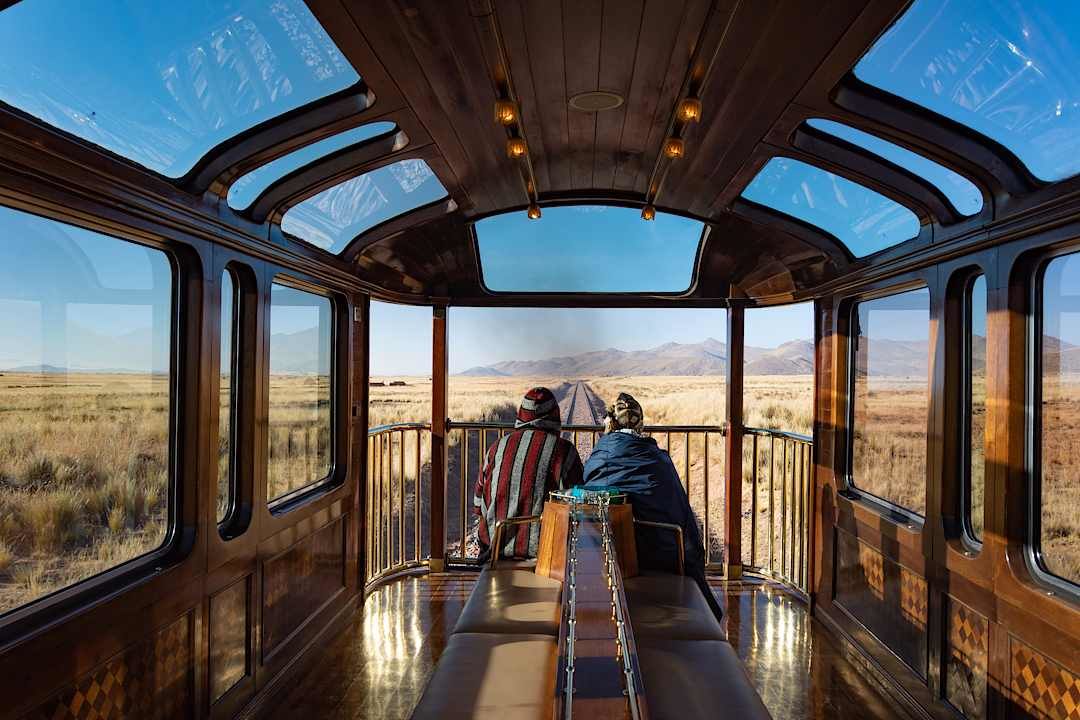
Couple admiring the view of the Altiplano Rail, Peru.

Best Months: April • May • September • October

For senior travelers seeking comfort, accessibility, and a relaxed pace, the shoulder months of April and May and September and October suit best because they combine mostly dry Andean days with milder nights than midwinter and moderate crowds. Cusco's afternoons reach about 70°F, while its nights stay around 34°F to 42°F rather than the 30°F of July, and the quieter weeks outside the June to August peak make it easier to secure preferred accommodations, train seats, and Machu Picchu entry times. Altitude deserves the most thought. Beginning in the lower Sacred Valley before moving up to Cusco, keeping the first day or two gentle, and checking with your doctor before you travel all make the highlands more comfortable.

What to Expect

  • Altiplano Rail: Settle into a panoramic carriage on the full-day train from Cusco to Puno, crossing the high plateau past grazing alpacas and the La Raya pass at more than 14,000 feet.
  • Museum Treasures: Spend an unhurried morning at Lima's Larco Museum, studying centuries-old ceramics and pre-Columbian gold before lunch in its garden courtyard.
  • Inca Foundations: Run your hand along the precisely fitted stone walls of Cusco's Qorikancha, once the Inca Temple of the Sun, as a private guide explains how the Spanish built their convent on top of it.
  • Evening Pyramid: Dine beside the floodlit adobe terraces of Huaca Pucllana in Lima's Miraflores district, a pre-Inca pyramid more than 1,500 years old.

For further inspiration, take a look at Zicasso's Peru tours for seniors.

Best Time for Spring and Summer Activities

Uros floating islands on Lake Titicaca, Peru
Uros Islands on Lake Titicaca, Peru

Best Months: November • December • January

The best months for Peru's spring and summer activities are November to January, when the coast warms into beach season, and the Andes turn lush and green. This is the start of the rainy season in the highlands, with Cusco's rainfall rising from about 2.8 inches in November to 5.7 inches in January, so expect afternoon showers around Cusco and Machu Picchu, often after clear mornings. The major sites are quieter in November and early December, then busy again over Christmas and New Year, while waterfalls run at full flow and long, warm days settle over the Pacific coast.

What to Expect

  • Green Valleys: Look out over the Sacred Valley in its brightest green, the terraced fields freshly planted and the Urubamba River running high.
  • Gocta Falls: Hike through cloud forest near Chachapoyas to the foot of Gocta, one of the world's tallest waterfalls, its spray drifting across the trail at full rainy-season flow.
  • Cooking Classes: Learn to make lomo saltado in a Lima kitchen, the beef and onions hissing in a hot wok as the chef explains the Chinese-Peruvian roots of the dish.
  • Adobe City: Explore the vast mud-brick walls of Chan Chan near Trujillo under the north coast's summer sun, their carved fish and birds sharp in the strong light.

For ideas on sequencing a summer trip, browse our two-week Peru itineraries.

Best Time for Fall and Winter Activities

Trekking Salcantay Peak in the Andes, Peru

Best Months: April • May • June

The best months for Peru’s fall and winter activities, which coincide with North America’s spring, are April to June, and this is the season to choose if trekking is the point of the trip. Peru's autumn hands over to its winter as the rains clear, so mountain trails are drying out, the passes are open, and the valleys are still green rather than the dusty gold of August. Huaraz and the Cordillera Blanca, Peru's serious trekking country, have their season from May to September, and late May and June bring the most settled weather on the high routes. On the coast, the cool winter marine layer settles in just as big southern swells begin rolling onto the north coast.

What to Expect

  • Cordillera Blanca: Trek from Huaraz into the Cordillera Blanca on the Santa Cruz route, camping beside turquoise glacial lakes beneath peaks above 19,000 feet.
  • Salkantay Pass: Cross the high pass on the Salkantay route toward Machu Picchu as the glacier-draped summit rises above you, sharp against a cobalt sky.
  • Pisac Terraces: Explore the hilltop terraces of Pisac in the dry, clear air, the Sacred Valley spread out below.
  • Giant Otters: Track a family of giant otters across Lake Sandoval in Tambopata, listening for their chirping calls across the water.
  • Chicama Waves: Watch, or join, surfers riding the long left-hand break at Chicama on the north coast, widely considered one of the longest waves in the world.

Find trekking-focused trips among our Peru vacations and tours.

Peru Festivals and Events by Season

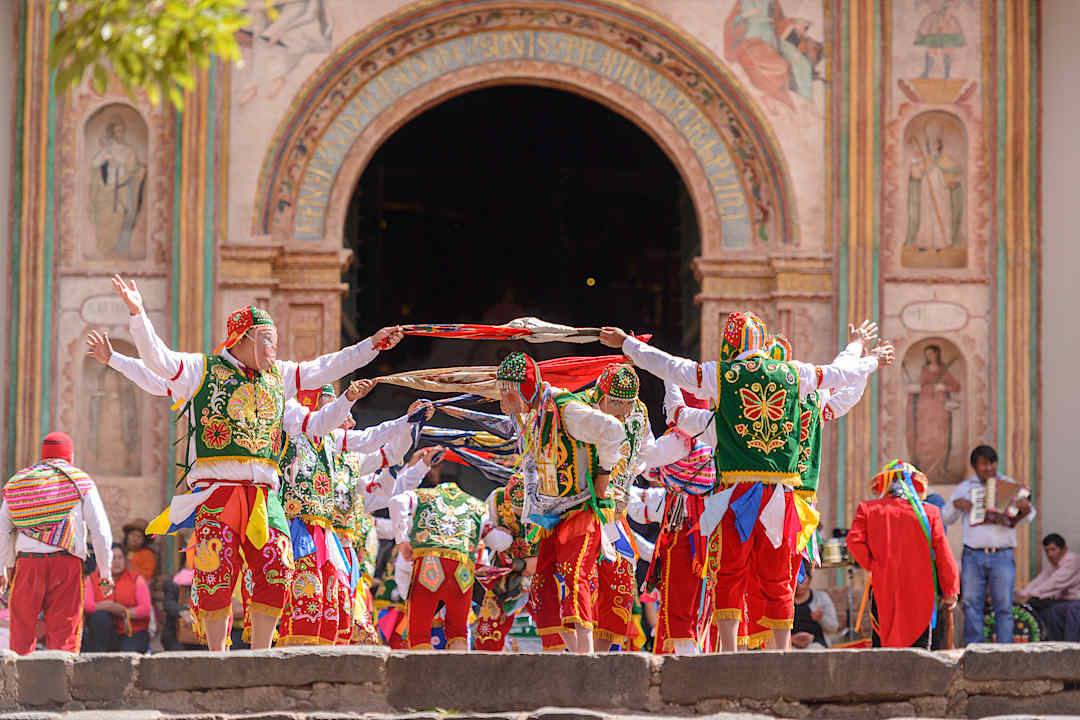
Peruvian folkloric dance, Cusco.

Peru's festivals can be the highlight of a trip or the reason a hotel is full, so check them before you choose dates. Many follow the religious or Andean calendar, and several shift from year to year.

  • February Candelaria: The Virgen de la Candelaria festival fills Puno with tens of thousands of dancers and musicians in early February.
  • Holy Week: Semana Santa, in March or April, brings solemn processions across Peru, with Ayacucho's among the most famous.
  • Corpus Christi: In May or June, Cusco's saints are carried through the streets in a procession followed by feasting on the traditional chiriuchu.
  • Inti Raymi: The Inca Festival of the Sun on June 24 re-creates an ancient ceremony at Sacsayhuamán and is Cusco's busiest day of the year, so hotels for the surrounding nights are best booked six months or more ahead.
  • Fiestas Patrias: Peru's national holidays on July 28 and 29 send families traveling across the country, filling flights and hotels.
  • Lord of Miracles: In October, Lima's Señor de los Milagros processions turn the city purple, among the largest religious processions in South America.

If you want to see a festival, book early. If you prefer a quiet stay, your specialist can steer your dates around the busiest weeks.

Peru Month by Month

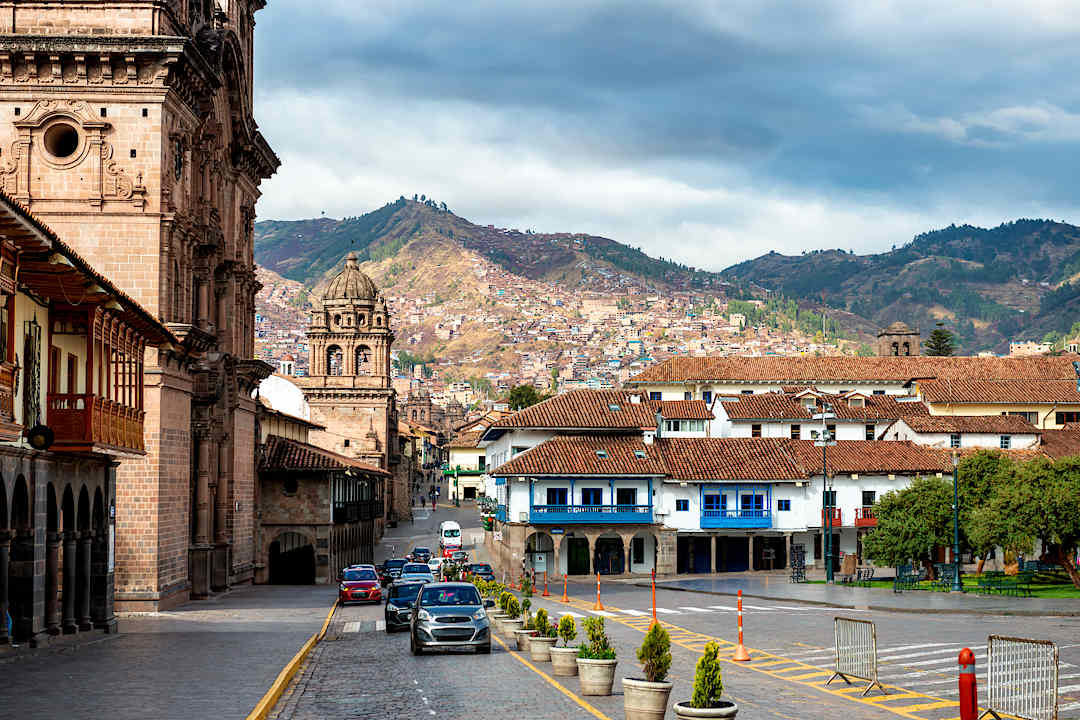
Plaza de Armas, Cusco.

Each month in Peru offers a different balance of weather, crowds, and experiences across the coast, the Andes, and the Amazon. The temperatures below are Cusco's average daily high and low.

  • January Summer: Cusco reaches about 68°F by day and 45°F at night, with about 5.7 inches of rain, the wettest month of the year. Lima is in full summer, and the beaches are busy. Choose January if the Pacific coast and a green, quiet Sacred Valley matter more than clear Andean views.
  • February Rains: Cusco sits at about 68°F and 46°F, with about 5 inches of rain. The Inca Trail closes for maintenance, though Machu Picchu stays open, and Puno celebrates the Candelaria festival. Choose February if you want the festival, the beaches, or low prices and don't mind rain.
  • March Green: Cusco averages about 69°F and 44°F, with about 3.8 inches of rain as the wet season begins to ease. Landscapes are at their lushest, Holy Week may fall late in the month, and the coast is still sunny. Choose March if you want green valleys with fewer visitors.
  • April Shoulder: Cusco reaches about 70°F by day and 40°F at night, with rain down to about 1.3 inches. Drier days return, visitor numbers stay low, and the Inca Trail has reopened. Choose April if you want shoulder-season quiet and the last of the green before the dry season.
  • May Sweet Spot: Cusco reaches about 70°F by day and 34°F at night, with almost no rain. The dry season has arrived, but the midyear crowds have not, making May ideal for Machu Picchu and the Inca Trail. Choose May if you want dry weather without the peak-season rush.
  • June Festivals: Cusco sits at about 70°F and 31°F, with about 0.1 inches of rain, the driest month. Inti Raymi fills Cusco on June 24, and high season begins. Choose June if you want festival color and reliable Andean skies, and can book Cusco hotels months ahead.
  • July Peak: Cusco reaches about 69°F by day, but its coldest nights are about 30°F. Northern Hemisphere holidays and Fiestas Patrias make it one of the busiest months. Choose July if school holidays fix your dates, and book Machu Picchu entry and trains two to three months ahead.
  • August Clear: Cusco averages about 71°F and 33°F, still dry and sunny, with windier days and a gray winter sky over Lima. Crowds remain high through mid-month. Choose August for trekking, Rainbow Mountain, and the Colca Canyon in reliably dry weather.
  • September Balance: Cusco reaches about 71°F by day and 38°F at night, with only about 0.6 inches of rain. Dry weather lingers, crowds thin, and the southern Amazon is in its low-water season. Choose September if you want the dry season's reliability with more space at Machu Picchu.
  • October Transition: Cusco averages about 71°F and 42°F, with the first showers bringing about 1.7 inches of rain. Sites are quieter, and Lima's Lord of Miracles processions fill the streets. Choose October if you want mild nights, quieter sites, and one of South America's great processions.
  • November Spring: Cusco reaches about 72°F, its warmest days, with nights near 43°F and about 2.8 inches of rain. The coast warms, and prices and crowds are lower. Choose November if you want quiet Andean sites and early beach weather, and can travel with flexible days.
  • December Holidays: Cusco averages about 70°F and 44°F, with rain building to about 4.5 inches. Beach season begins, the highlands are wet and green, and the first half of the month is quiet before Christmas and New Year bring busy weeks. Choose December for a coastal holiday paired with green highlands.

Peru's Rainy Season: When Not to Go and Why Some Travelers Do

Machu Picchu terraces in the clouds.

Peru’s rainy season runs from about November to March in the Andes and from about December to May in the Amazon. January and February are the most challenging months for highland travel, with Cusco receiving about 5 to 5.7 inches of rain a month. Heavy rain can delay trains and close mountain roads, Machu Picchu is more often wrapped in cloud, and the Inca Trail closes every February. For travelers whose main goal is clear views of Machu Picchu or a classic trek, these months are the worst time to visit Peru.

The rainy season is also the cheapest time to visit Peru. Outside the Christmas and New Year weeks, hotels and tours in the Andes often cost less from November to March, and Machu Picchu entry slots are easier to secure. Rain usually falls in the afternoon after brighter mornings, the Andes turn vividly green, the major sites are noticeably quieter, and the coast is at its sunniest. A specialist can build a rainy-season trip around those strengths, with Machu Picchu visits timed for the morning, flexible days in the highlands, and time on the coast or in the flooded forest of the northern Amazon, when river excursions reach deepest.

How to Sequence Peru's Regions in One Trip

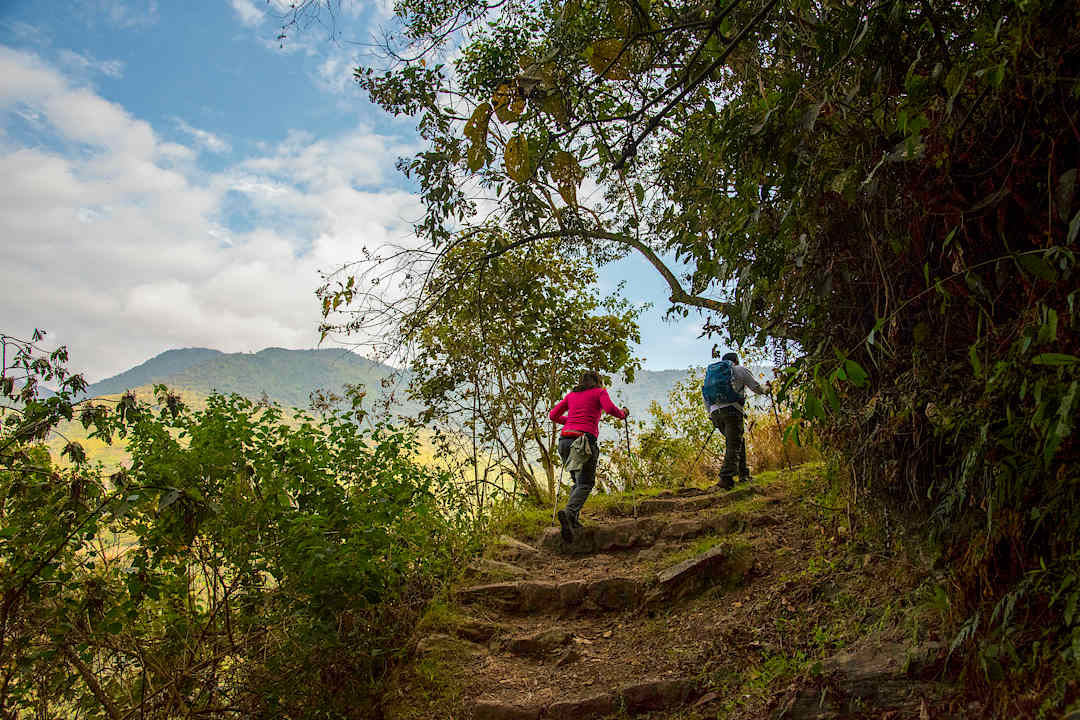
Couple hiking the Inca trail, Peru.

The simplest way to sequence a Peru trip is to follow the dry season and the altitude together. From June to August, spend most of your time in the Andes, then finish in the southern Amazon around Tambopata, where low water means firm trails, and keep Lima to a night or two for its restaurants, since the coast is gray then. From December to March, flip it: base yourself on the coast, then visit the Andes for a few morning-focused days and the northern Amazon for high-water river cruising.

What to Book First, By Season

  • June to August: Book Inca Trail permits as soon as they are released, often four to six months ahead, then Machu Picchu entry, Huayna Picchu, and trains two to three months out, and Cusco hotels around Inti Raymi six months or more ahead.
  • April, May, September, and October: Book Machu Picchu entry and train seats about one to two months ahead, and Inca Trail permits for May and September as early as possible, since they still sell out.
  • November to March: Book coastal hotels early for Christmas, New Year, and summer weekends. Machu Picchu entry is easier to secure in these months, though booking about a month ahead is still wise, and earlier for the holiday weeks.

Combining Peru with the Galápagos or Bolivia

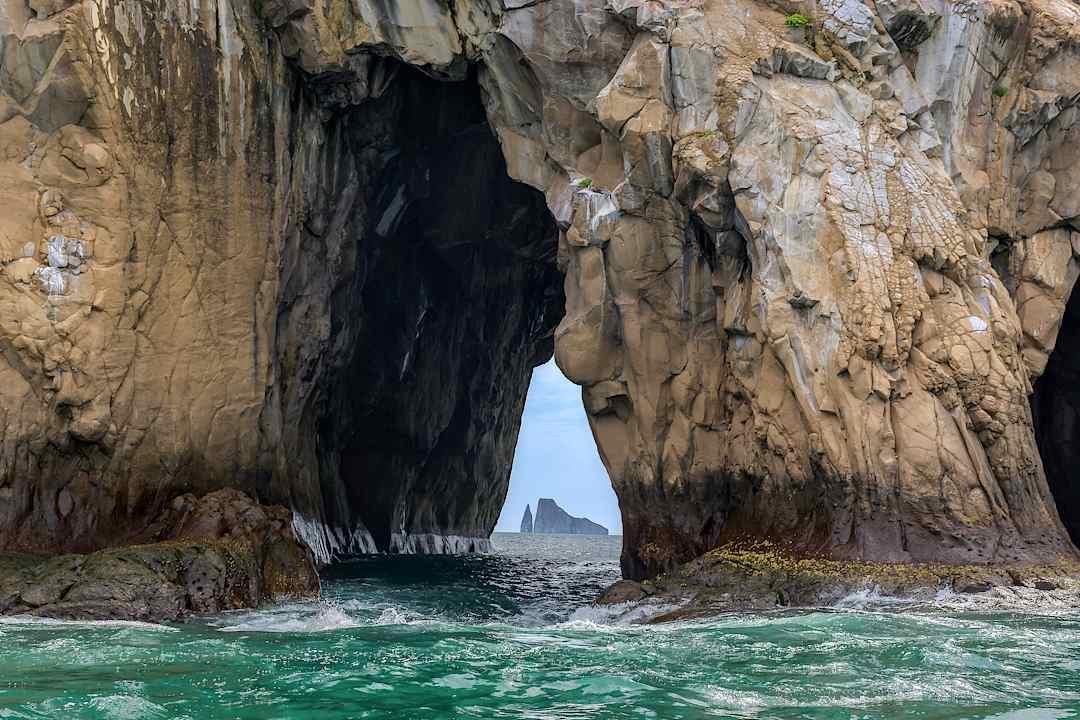
San Cristobol Rock, Galapagos.

The Galápagos are a year-round destination, so the best time to visit Peru and the Galápagos together is often guided by conditions in Peru’s Andes. From about June to November, the islands’ cooler season brings generally rougher seas and nutrient-rich waters that support plentiful marine life. June to September or October pairs well with Peru’s dry Andean season. From about December to May, the Galápagos are warmer with generally calmer water, which suits travelers who visit Peru in April or May, as the highland rains ease.

Bolivia’s highlands share a similar dry season with Peru’s Andes, so May to October works well for a combined trip that crosses Lake Titicaca and continues to the Uyuni salt flats. The rainy months from January to March can turn Uyuni into a vast mirror, depending on rainfall, but they also coincide with some of Peru’s wettest highland weather.

Frequently Asked Questions About the Best Time to Visit Peru

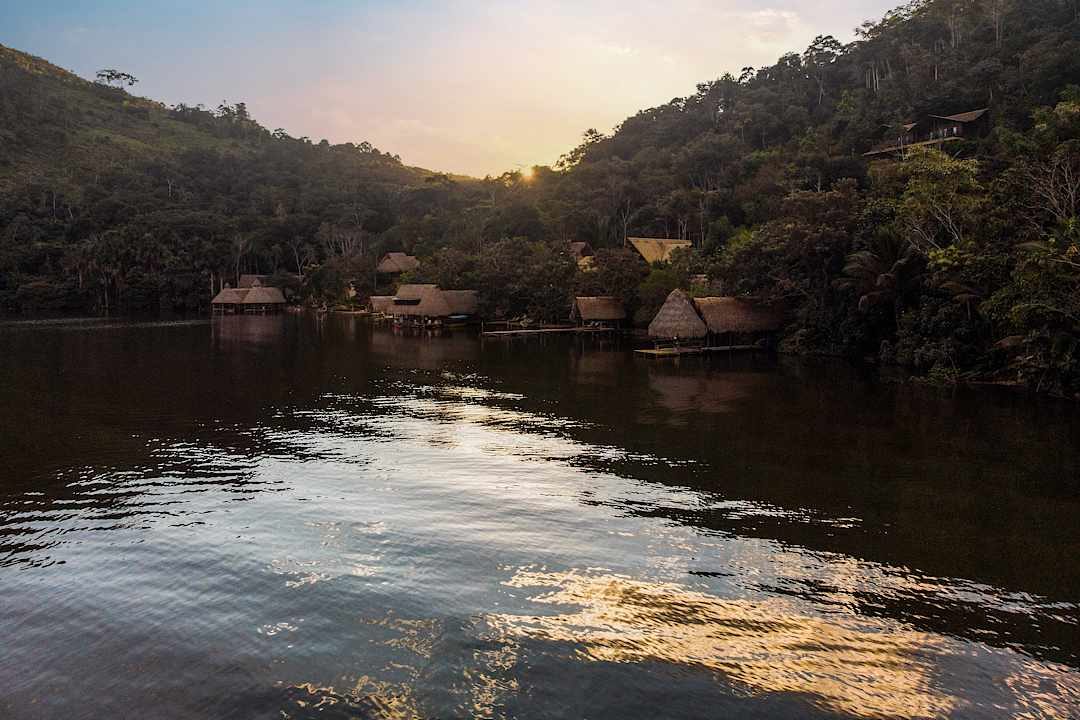
Amazon rainforest cabins, Peru.

What is the best month to visit Peru?

May is often the best single month to visit Peru, combining dry, clear weather in the Andes with smaller crowds than the June to August peak. September offers a similar balance at the other end of the dry season.

When is the dry season in Peru?

Peru’s dry season runs from about May to September in the Andes, when rain is rare, and skies are mostly clear. The Amazon is less rainy from about June to November, though showers still fall year-round, and the coast is dry all year.

When is the rainy season in Peru?

The rainy season runs from about November to March in the Andes, with the heaviest rain in January and February, and from about December to May in the Amazon.

What is the worst time to visit Peru?

For the Andes and Machu Picchu, January and February are the most difficult months, with the heaviest rain and the Inca Trail closed in February. These are, however, the best months for Peru's beaches.

When is the high season in Peru?

Peru's high season runs from June to August, when dry weather coincides with Northern Hemisphere summer holidays and Peru's own festivals, including Inti Raymi and Fiestas Patrias.

When is the best time to visit Machu Picchu?

April to June is the best time to visit Machu Picchu, with drier weather and fewer visitors than July and August, when crowds peak.

Is Machu Picchu open in February?

Yes. Machu Picchu is open year-round, including February. Only the classic Inca Trail closes in February for maintenance, so you can still reach the citadel by train to Aguas Calientes and the bus up the mountain, though February is one of the rainiest months, and mornings are often cloudy.

How far in advance should I book Machu Picchu tickets?

Book Machu Picchu tickets at least one month ahead, and two to three months ahead for June to August. Huayna Picchu tickets often sell out three to four months ahead, and Inca Trail permits for May to September can sell out four to six months ahead. Tickets are sold only through the official Ministry of Culture site.

Do I need a guide to visit Machu Picchu?

Yes. Peru's regulations call for visitors to tour the citadel's circuits with an official, state-licensed guide, although enforcement at the gate has varied. The Huayna Picchu and Machu Picchu Mountain trails do not require a guide.

When should I book the Inca Trail?

Book the Inca Trail as early as possible, since daily permits are limited and often sell out months ahead for May to September. The trail is closed every February.

When is the best time to visit the Amazon in Peru?

May and June offer the best balance in the Peruvian Amazon, between high water for boat trips and drier trails for walking. Choose December to May for river cruises from Iquitos in the north, and June to November for lodge stays and clay licks around Tambopata in the south.

When is the best time to see Rainbow Mountain?

The best time to see Rainbow Mountain is the dry season, from May to September, when the trail is clear of snow, and the striped slopes are most vivid. Leave Cusco before dawn to reach the ridge, at about 17,000 feet, before the afternoon wind and clouds, and save the hike for the end of your time in the Andes, once you have acclimatized.

What is the weather like in Cusco in June?

Cusco in June is dry, sunny, and cold at night, with average highs of about 70°F, lows of about 31°F, and only about 0.1 inches of rain, making it the driest month of the year.

Is Peru cheaper in the rainy season?

Often, yes. The rainy season, from November to March, is the cheapest time to visit Peru's Andes, outside the Christmas and New Year holidays, though coastal beach towns are at their busiest then.

Is it cold in Peru?

It depends on altitude. Cusco and Lake Titicaca have cold nights year-round, with lows near or below freezing from June to August, while the Amazon stays hot and the coast is mild.

How do I prepare for altitude in Peru?

Allow time to acclimatize. Many travelers begin in the Sacred Valley, which sits lower than Cusco, take the first day or two gently, and save Lake Titicaca for later in the trip. Speak with your doctor before traveling.

Book for the Best Time to Visit Peru

Tambopata National Reserve, Peru

Peru's character shifts with both the calendar and the altitude, and timing a trip well means choosing the right month for each region rather than one month for the whole country. Whether you are drawn to the cold, clear mornings of Cusco in June, the high-water channels of the northern Amazon in April, or the warm summer light on the Pacific coast in February, a specialist can sequence those regions and secure the permits, entry slots, and trains that the season demands.

You can explore more possibilities in our Peru travel guide, then browse our Peru vacations and tours before working with a travel expert to plan your itinerary.

30,000+ Verified Traveler Reviews