Top 10 Things to Do in Spain

Alhambra in Granada, Spain.

Alhambra in Granada, Spain.

The top things to do in Spain unveil everything from Moorish heritage to Basque Country sunshine on golden beaches, cultural immersion, adventure, and relaxation. Each region is famous for distinct experiences, be it San Sebastián's culinary pursuits or southern Spain's cross-continental cultural activities.

You could spend the day unraveling history in museums and admiring art in contemporary galleries, while in the evening, you could fine-dine on Mediterranean beaches, savoring tapas, pintxos, and other local treats. With iconic experiences front and center and surprising additions worthy of our recommendations, let these ideas guide your Spanish adventures.

Extraordinary travel begins with the human touch and our destination specialists design every journey with meticulous care and attention to detail. No two Zicasso itineraries are the same because no two travelers are. Your specialist builds a private, fully personalized route around your pace, interests, and access to the flamenco halls, family-run bodegas, and artisan workshops most visitors never reach.

1. Experience Historic Spain at Ancient Sites

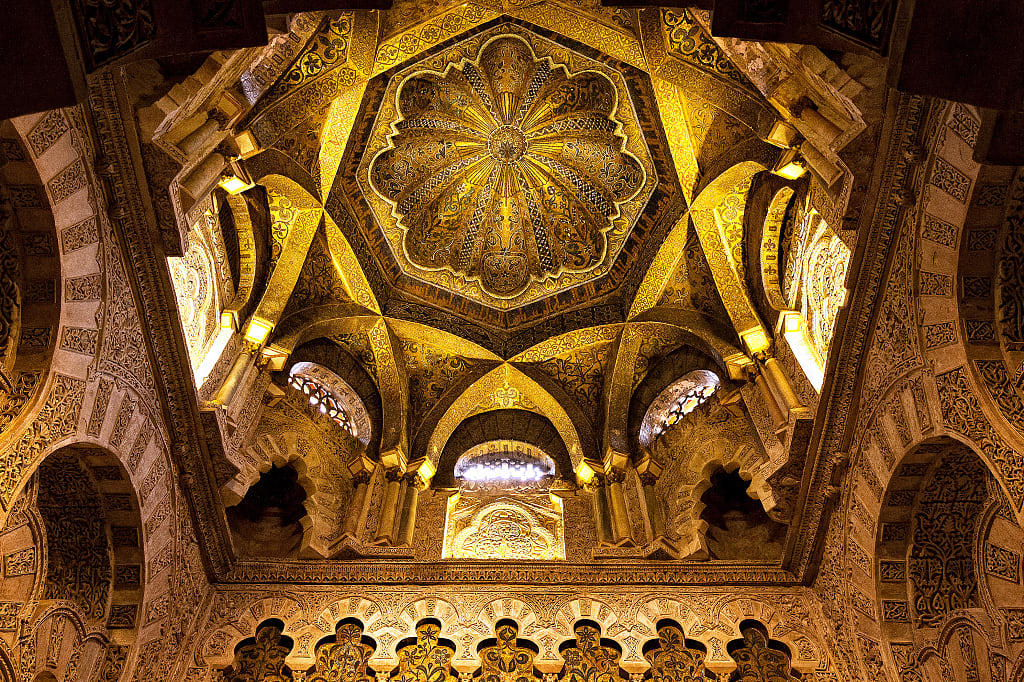
Dome of the Mosque of Córdoba in Spain.
Dome of the Mosque of Córdoba in Spain

In Spain's contemporary cities, ancient districts and neighborhoods steeped in history await if you are eager to step back in time. From Celtic settlements to Roman aqueducts, megalithic tombs to medieval lanes, grand mosques to Moorish palaces, Spain's ancient sites preserve bygone traditions and century-old landmarks across regions connected under a united Spain, from Granada in Andalusia to Barcelona in Catalonia.

What to Expect

  • Celtic origins: Run your hand along weathered stone foundations laid centuries before Rome ever set foot on the Iberian Peninsula.
  • Roman engineering: Feel the cool shade beneath towering aqueduct arches, their granite blocks fitted without a single drop of mortar.
  • Megalithic tombs: Duck into stone burial chambers where the air turns damp and silent, sealed away from written history.
  • Medieval lanes: Listen for your footsteps echoing off narrow cobblestones, worn smooth by centuries of Christian and Moorish passage.
  • Moorish palaces: Trace your fingers over carved plasterwork and horseshoe arches inside fortresses built during Spain's centuries under Islamic rule.

Where to Enjoy Your Visit

  • Mezquita: Wander a forest of red-and-white striped arches inside Córdoba's mosque-turned-cathedral, the columns stretching into dim, cool silence.
  • Alhambra: Watch light ripple across reflecting pools inside Granada's Nasrid palaces, the most complete example of Islamic architecture in Europe.
  • Cordoba Roman Bridge: Cross sun-warmed stones over the Guadalquivir River on a bridge whose foundations date to the 1st century BC.
  • Montserrat Monastery: Breathe thin mountain air outside Barcelona as jagged rock formations rise around a Benedictine abbey carved into the cliffside.
  • Seville Cathedral: Crane your neck upward inside soaring Gothic vaults, the largest of their kind in the world, built atop a former mosque.

Take a look at our customizable Spain’s Vivacious Culture and History Itinerary for more details to inspire your trip.
2. Discover Spanish Tapas and Pintxos Culture

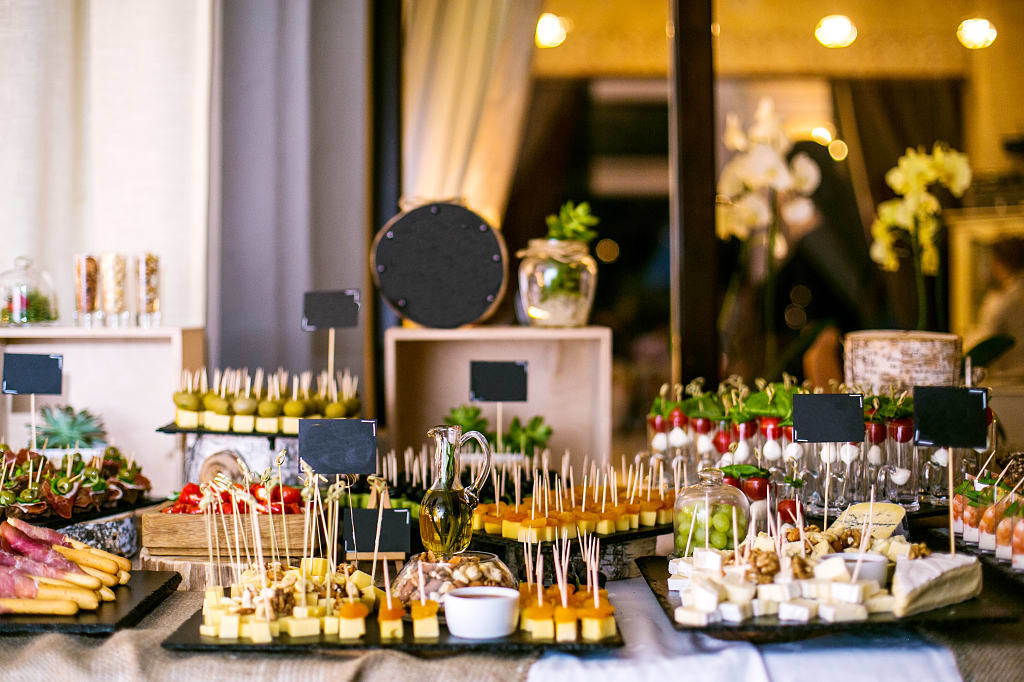
Spanish tapas bar.
Spanish tapas bar

Spanish cuisine is famous for simple recipes made with fresh, seasonal ingredients, most recognizable as tapas or pintxos. Tapas and pintxos are essentially the same idea: bite-sized Spanish snacks enjoyed while sipping sangria or touring chic bars lining promenades. However, what separates the two is their origin. Pintxos are traditional to northern Spain and popular in the Basque Country, while tapas dominate the south. You may find subtle differences from the culinary creations found further south, but both draw inspiration from the Mediterranean Sea, local climate, and diverse landscape.

What to Expect:

  • Bar-hopping culture: Squeeze into a lively bar, order a drink, and taste one dish before moving on to the next stop.
  • Bite-sized creations: Bite into a crisp slice of bread piled with anchovy, cured ham, or briny olives, gone in two mouthfuls.
  • Regional distinction: Notice the toothpick holding each pintxo together up north, a small detail that sets it apart from a loose tapa further south.
  • Coastal flavor: Taste brine and citrus in dishes shaped by the surrounding sea, the local climate, and Spain's varied terrain.
  • Social ritual: Feel the noise and clatter of a packed bar swell around you as strangers trade plates and conversation over drinks.

Where to Enjoy Your Visit:

  • San Sebastián: Reach bar counters piled high with the Basque Country's most celebrated pintxos.
  • Valencia: Smell saffron and seafood drifting from kitchens along the coast, where Mediterranean tapas take on a distinctly rice-forward character.
  • Madrid: Move between bars carrying flavors from every corner of Spain, each one a small taste of a different region.
  • Girona: Settle into a quieter, sun-dappled square for a Catalan take on small-plate dining, away from the larger tourist crowds.
  • Granada: Order a single drink and watch a free tapa arrive unasked, a tradition unique to this Andalusian city.

For more inspiration, see our Top Things to Do in San Sebastian.

3. Savor Spain’s Eclectic Wines

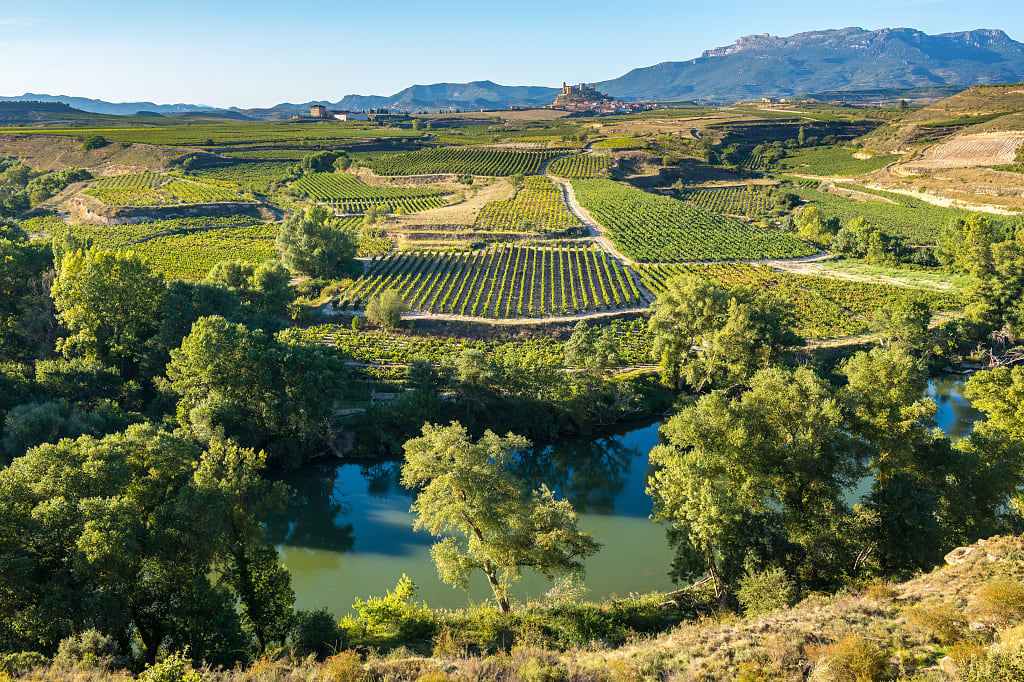
Vineyards in La Rioja, Spain.
Vineyards in La Rioja, Spain

Spain's unique climates and topography make it a fantastic destination for wine tasting and culture, a connection that stems from its Roman history and a landscape suited to growing many different grape varieties. Spain's millennia of wine production have informed the country's relaxed pace, as people enjoy the pleasure of a slow glass under the sun or on a rainy evening. Enjoy an escape from daily life by immersing yourself in wine regions where charming towns are known for producing offerings tied closely to their local history and flavor.

What to Expect:

  • Roman roots: Descend into cellars where the scent of oak and aging wine hangs heavy, a practice unbroken for over 2,000 years.
  • Estate visits: Walk rows of vines heavy with fruit, the soil crunching underfoot as a vintner explains how terrain shapes every bottle.
  • Guided tastings: Swirl a glass and catch notes of dark cherry or toasted vanilla as a specialist walks you through each region's character.
  • Food pairings: Let a bold red cut through rich jamón or a crisp white lift the brightness of fresh seafood on your plate.
  • A slower pace: Sink into a shaded courtyard chair, glass in hand, and let the afternoon stretch on without a schedule to keep.

Where to Enjoy Your Visit:

  • La Rioja: Swirl a glass of Tempranillo in a centuries-old cellar, its ruby color catching the light of Spain's most recognized wine region.
  • Valencia: Sip crisp coastal wines built to stand up to grilled seafood pulled straight from the Mediterranean that morning.
  • Andalusia: Taste the dry, nutty edge of sherry in Jerez de la Frontera, where the tradition has been perfected for generations.
  • Catalonia: Watch bubbles rise in a glass of Cava, paired with still wines in the hills surrounding Barcelona.
  • Ribera del Duero: Let a bold, inland red coat your palate, poured from one of Spain's most acclaimed wine-producing valleys.

See our Best Time to Visit Spain for a Wine Tour for more details.

4. Sample Authentic Spanish Olive Oil

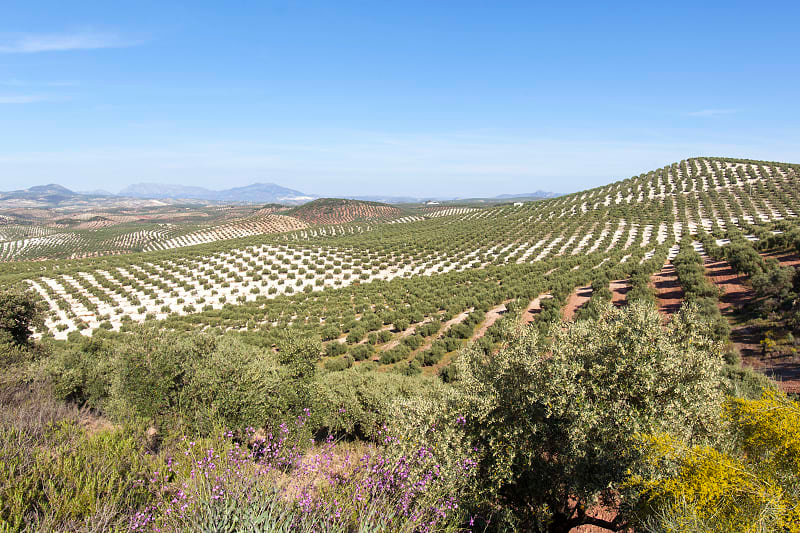
Sea of olive trees in the Andalusia region of Spain.
Olive groves in the Andalusia region of Spain. Photo courtesy of Lolo Vasco/Turismo Andaluz

Olive-oil tasting in Spain represents a cornerstone of Mediterranean culture. The country is the world's largest exporter of extra-virgin olive oil and olive oil tours in places like Córdoba allow you to explore a tradition dating back to the arrival of the Phoenicians. Private tours plunge you into fragrant groves to learn about the harvest, crop, and milling at the hands of a local expert before sampling what is considered Mediterranean Gold, with the soil of each region injecting distinct character into every pressing.

What to Expect:

  • Grove walks: Breathe in the sharp, green scent of olive leaves as silvery branches stretch in rows toward the horizon.
  • Harvest insight: Watch nets catch a shower of dark green fruit as pickers explain how timing shapes an oil's final flavor.
  • Milling demonstrations: Feel the warmth rising from freshly pressed paste as it's transformed from fruit into thick, golden-green oil.
  • Guided tastings: Dip crusty bread into a shallow bowl and notice the peppery bite at the back of your throat with each pressing.
  • Phoenician heritage: Stand among trees whose ancestors were first planted here nearly three thousand years ago, still bearing fruit today.

Where to Enjoy Your Visit:

  • Córdoba: Wander groves shimmering silver in the breeze across one of Andalusia's oldest olive-growing regions.
  • Málaga: Trade a coastal breeze for the dusty warmth of countryside estates just a short drive inland.
  • Jaén: Stand in a sea of olive trees stretching to every horizon, in the province producing more oil than anywhere else on Earth.
  • Tarragona: Taste a lighter, grassier oil distinct from its southern cousins, rooted in Catalonia's own growing tradition.
  • Sierra de Segura: Watch mist settle over dramatic mountain slopes lined with terraced groves unlike anywhere else in Spain.

The whole family can enjoy an olive oil tasting, comparing the different flavors shaped by soil, temperature, and the age of the oil itself. Learn more from our Spain family tours and vacations.

5. Admire Spain’s Artistic Masterworks

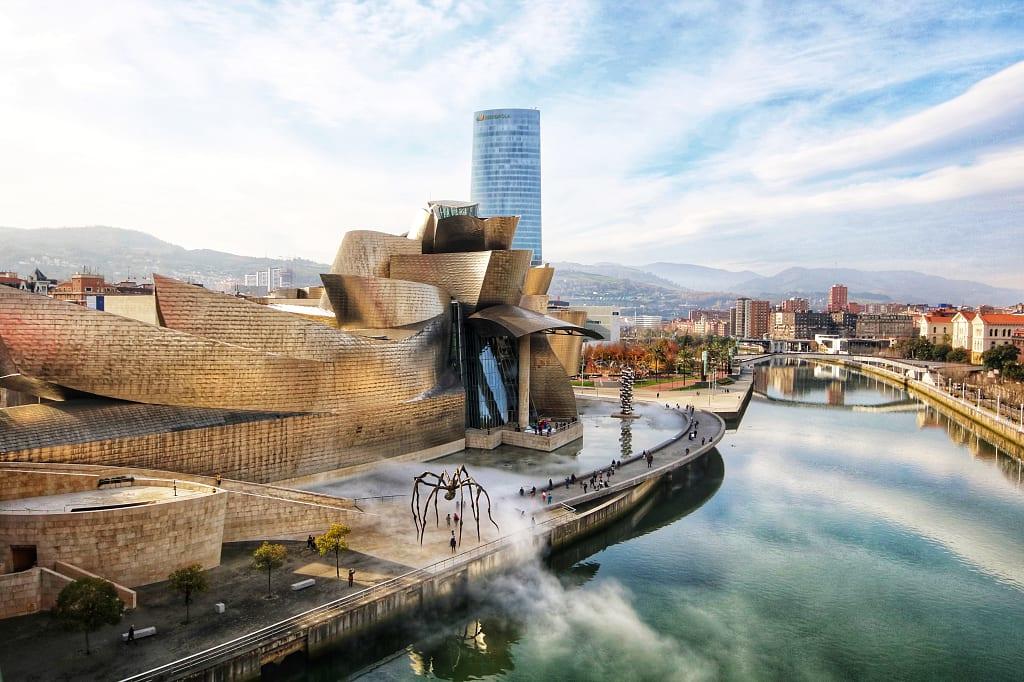
The Guggenheim museum in Bilbao, Spain.
The Guggenheim in Bilbao, Spain

Spanish art is one of the most important collections of cultural heritage in the world because of its diversity, history, and evolving aesthetic. Art in Spain dates back to the Paleolithic age, with cave paintings that led to Phoenician works, Greek influences, and the mastery of technique displayed during the Renaissance. Each style represents the culture of its particular time period. Cities like Madrid, Bilbao, Barcelona, Málaga, and Seville represent the broad standard of Spanish art, with historical works providing greater context to modern marvels, from the Prado to the Guggenheim.

What to Expect:

  • Prehistoric origins: Peer at ochre handprints and animal figures by torchlight, painted onto cave walls before written language existed.
  • Renaissance mastery: Stand close enough to see individual brushstrokes, the fine detail achieved during Spain's artistic golden age.
  • Picasso's evolution: Move room to room and watch a single artist's style fracture and reform across decades of restless experimentation.
  • Moorish geometry: Trace endless interlocking patterns carved into plaster, a visual rhythm built entirely from repetition and precision.
  • Bold contrasts: Step from centuries-old canvases into titanium-clad, light-catching structures that redefine what a museum can look like.

Where to Enjoy Your Visit:

  • Madrid: Stand inches from Velázquez's brushwork inside the Prado Museum's dim, hushed galleries.
  • Bilbao: Watch light shift across Frank Gehry's rippling titanium panels along the banks of the Nervión River.
  • Barcelona: Trace the line between Picasso's earliest sketches and Gaudí's still-unfinished architectural dreams.
  • Málaga: Wander the rooms of the Picasso Museum, set in the coastal city where the artist was born.
  • Seville: Step into the hushed quiet of a former convent, its walls now lined with Golden Age painting.

Our Best Museums in Spain and Where to Find Them has more details to inspire your art-focused trip to Spain.

6. Let the Passion of Flamenco Guide You

Flamenco performance in Spain.  Photo © Lolo Vasco/Turismo Andaluz
Flamenco performance. Photo courtesy of Lolo Vasco/Turismo Andaluz

Spain is synonymous with passion and flamenco is the embodiment of Spanish expression. At its core, the dance explores the diverse folkloric traditions of the south, but its flamboyance has come to represent the soul of the nation. As an essential part of the culture, flamenco blends artistic expression in dance, song, and guitar, earning a UNESCO Cultural Heritage of Humanity designation and telling a story that can only be understood through movement and music.

What to Expect:

  • Live guitar: Feel the rapid, percussive strum vibrate through the floorboards as the guitarist's fingers blur across the strings.
  • Powerful vocals: Hear a raw, aching voice rise and crack with emotion in the traditional singing style known as cante.
  • Expressive movement: Watch a dancer's heels strike the floor in rapid-fire bursts, every gesture and glance charged with meaning.
  • Traditional costume: Catch the swirl of a ruffled red skirt or the sharp silhouette of stark black attire under low lighting.
  • Charged silence: Sit close enough to feel the tension in a held pause, the room silent until the next stamp breaks it.

Where to Enjoy Your Visit:

  • Madrid: Watch a performance unfold in a dim, low-ceilinged tablao tucked into the capital's oldest streets.
  • Barcelona: Find flamenco woven into the city's broader Catalan cultural scene, often in unexpected corners.
  • Granada: Descend into whitewashed caves in the Sacromonte neighborhood, flamenco's spiritual home, where the acoustics turn every stamp into thunder.
  • Seville: Feel the heat and intensity of a performance in the Andalusian city most closely tied to the dance's origins.
  • Córdoba: Settle into a smaller, quieter venue for a more intimate flamenco tradition.

A private class or an evening in a small venue makes for a passionate experience well suited to Spain tours for couples.

7. Cycle Spain’s Countryside and Coastlines

Windmills on the hills of the La Mancha countryside in Spain.
La Mancha countryside in Spain

The diversity of Spain's landscape makes it a bucket-list destination for enthusiastic cyclists and those wanting to enjoy a safe but gorgeous bike tour of the countryside and coastlines. From the foothills of the Pyrenees to the Rioja Valley's vineyards, you will experience broad range of captivating scenery private cycling excursion, whether pedaling through Spanish-Arab cultural regions or following a pilgrimage route decorated with old-world architecture at the pace you set.

What to Expect:

  • Smooth roads: Feel tires glide over well-maintained pavement suited to riders of every experience level.
  • Coastal scenery: Catch salt spray on the wind as the road hugs cliffs above the Mediterranean or Atlantic.
  • Vineyard routes: Pedal past rows of vines heavy with grapes, the earthy scent of soil rising with each turn of the wheel.
  • Pilgrimage paths: Follow centuries-old waymarkers along dusty tracks worn smooth by generations of walkers and riders before you.
  • Historic landmarks: Freewheel past sun-bleached Moorish palaces and whitewashed towns without slowing your pace.

Where to Enjoy Your Visit:

  • Costa Brava: Wind along dramatic Catalan cliffs, the sea flashing turquoise in hidden coves below.
  • Camino de Santiago: Trace dusty, tree-lined stretches of Spain's most famous pilgrimage route by bike.
  • Andalusia: Ride past whitewashed hill towns glowing bright against the southern sun.
  • La Rioja: Wind through rolling, vine-covered hills at the heart of Spain's wine country.
  • Basque Country: Shift between misty mountain climbs and green coastal roads across northern Spain's lush landscape.

Our Best Cycling Destinations in Europe has more information to inspire a cycling itinerary covering Spain and other destinations.

8. Trace Spanish Heritage in Cultural Districts

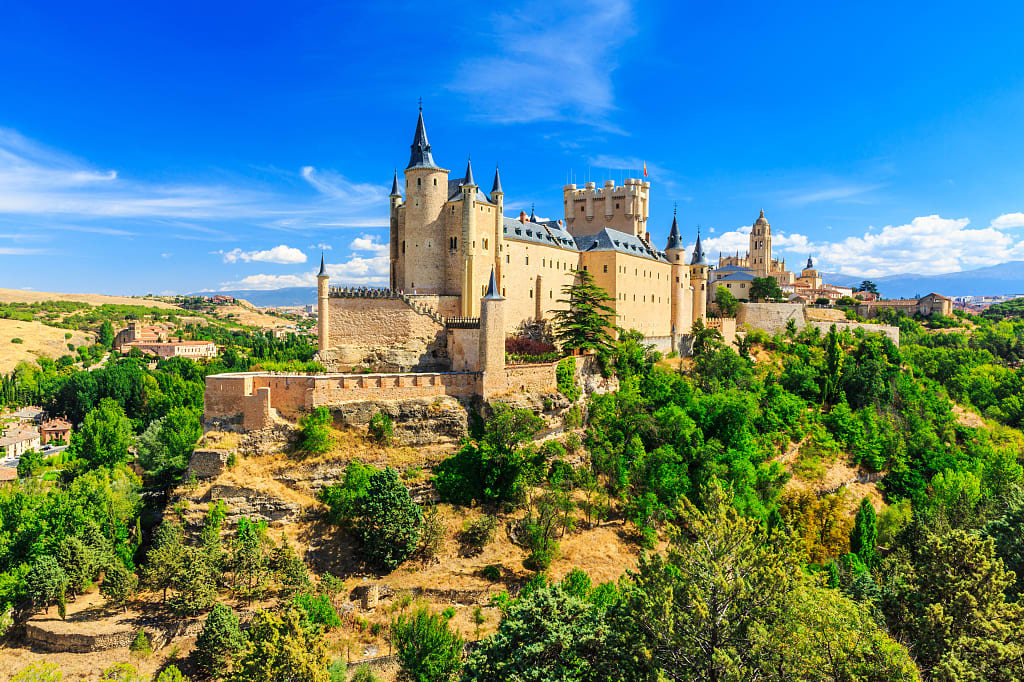
The  medieval castle, Alcazar of Segovia, in the city of Segovia, Castile and León region, Spain
Alcazar of Segovia in Segovia, Spain

In Spain, contemporary culture stems from diverse traditions brought to the country by Jewish, Muslim, Roman, and Catholic communities. The number of historic civilizations that have landed on the Iberian Peninsula has fed a frenzy of artistic representation, culinary customs, and architectural wonders. From Carthaginian remains and Phoenician settlements to the return of the Catholic kingdom in the 15th century, visiting these cultural districts and neighborhoods reveals how and from where the preserved traditions of contemporary Spanish culture actually come.

What to Expect:

  • Layered history: Walk streets where whitewashed walls, carved archways, and church bells each mark a different era of settlement.
  • Carthaginian remains: Run your hand over worn stone foundations left by a civilization that predates even Roman Spain.
  • Living customs: Catch the scent of a dish or the tempo of a phrase that still carries echoes of centuries past.
  • Cultural coexistence: Stand in a single square where a mosque, synagogue, and church once stood within sight of each other.
  • Preserved architecture: Notice how tilework, archways, and stonework each bear the fingerprint of a different community.

Where to Enjoy Your Visit:

  • Granada: Climb steep, narrow lanes through the Albaicín, one of Spain's best-preserved Moorish quarters.
  • Seville: Wander the shaded, flower-draped alleys of the former Jewish quarter, Barrio Santa Cruz.
  • Toledo: Walk a few short blocks where Muslim, Jewish, and Christian heritage sit shoulder to shoulder.
  • Asturias: Breathe in cooler, greener air in a region shaped more by pre-Roman and Christian tradition than Moorish rule.
  • Segovia: Walk the quiet lanes of La Judería, a reminder of the city's once-significant medieval Jewish community.

See our Best Places to Visit in Spain for more details.

9. Prepare Traditional Spanish Cuisine

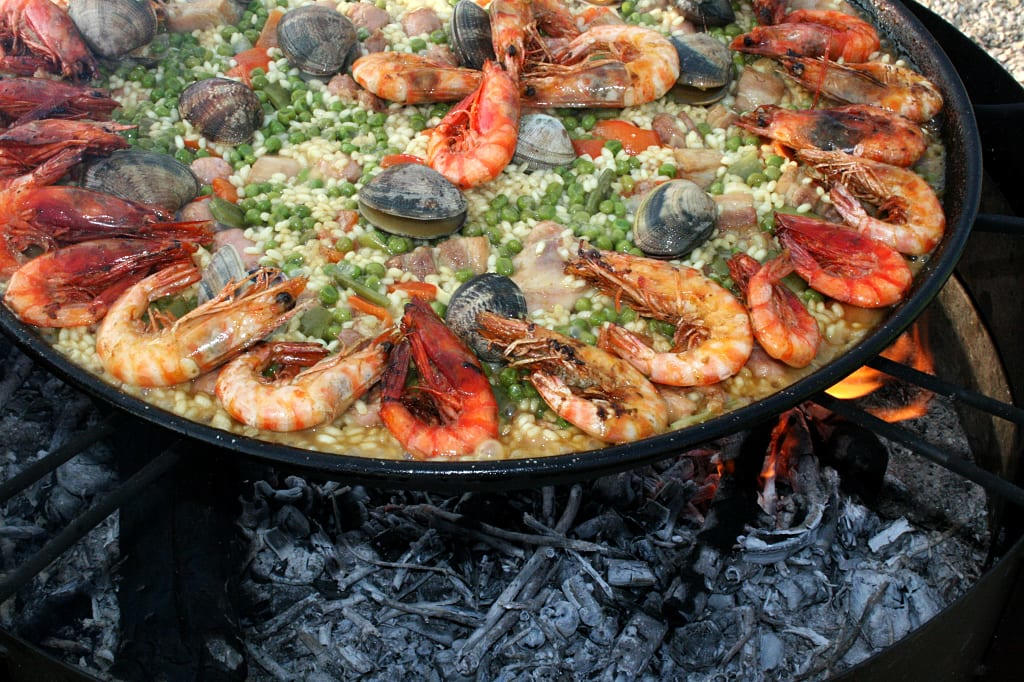
Spanish paella cooking over open fire.

Food is an essential part of Spanish culture and a private cooking class lets you prepare and indulge in the unique flavors of a town or region in a more hands-on fashion than tapas or pintxos tasting. Spain's eclectic mixture of cultures and traditions shapes the overall culinary culture between the Bay of Biscay and the Strait of Gibraltar, with traditions focused on locally grown fruits and vegetables, seasoned sausages, and seafood, highlighted in specialties like gazpacho, cod fritters, and paella.

What to Expect:

  • Hands-on instruction: Feel warm dough or fresh seafood under your hands as a private local instructor guides each step.
  • Fresh ingredients: Smell ripe tomatoes and just-caught fish laid out on the counter, sourced that same morning.
  • Regional specialties: Watch a pan of golden saffron rice bubble and crackle as it forms the prized crust of a proper paella.
  • Traditional technique: Learn small, specific movements, a particular way of stirring or seasoning, passed down through generations of home cooks.
  • A shared meal: Sit down to eat what you've made, the table filled with conversation and the last of the day's wine.

Where to Enjoy Your Visit:

  • San Sebastián: Learn precise pintxos technique in the kitchens of Spain's most celebrated culinary city.
  • Valencia: Stir a pan of paella over an open flame in the region where the dish originated.
  • La Rioja: Pair a hands-on cooking class with a glass poured from the barrel in Spain's premier wine country.
  • Barcelona: Prepare Catalan specialties that blend the flavors of the coast with the mountains behind it.
  • Granada: Cook Andalusian dishes carrying the spice and technique of centuries of Moorish influence.

Zicasso’s Best Places for Food and Wine in Spain will assist you in planning your culinary journey.

10. Take in Exceptional Surrealist Architecture

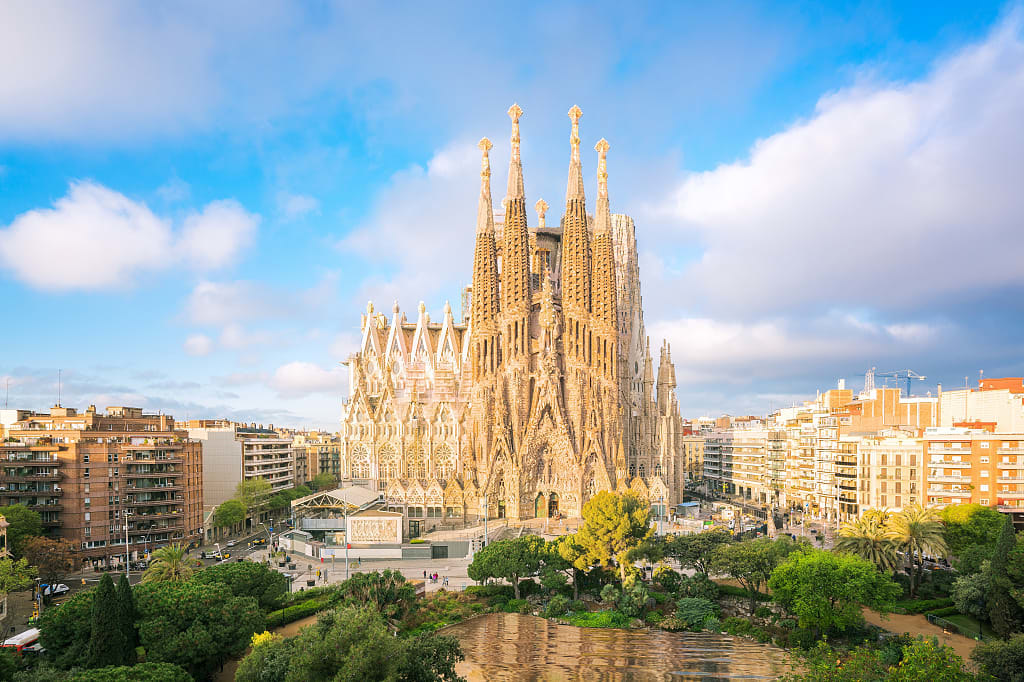
The Basílica de la Sagrada Família, designed by Spanish/Catalan architect Antoni Gaudí, in Barcelona, Spain

Spain can go from being a country known for classic art to an image of the avant-garde that erupted in the 1920s. The likes of Antoni Gaudí and Salvador Dalí represent the distinctive surrealist styles that turn landscapes and cities into fairytale architectural destinations, pushing the envelope of artistic expression whether on canvas or as part of the skyline. Surreal art was an experiment, with Spanish artists focusing on movement and finding new forms of expression that now inspire the world, most notably seen on private Gaudí tours in Barcelona.

What to Expect:

  • Organic forms: Trace facades that ripple and curve like bone or wave, with barely a straight line in sight.
  • Mosaic detail: Catch sunlight scattering off thousands of shattered tile fragments pressed into towers, benches, and rooftops.
  • Dreamlike scale: Crane your neck upward inside spaces that feel carved from stone rather than built from it.
  • Dalí's influence: Notice the same twisted, dreamlike logic connecting Spain's surrealist painters to its most daring architects.
  • A living skyline: Watch cranes still at work atop a landmark that has shaped Barcelona's silhouette for over a century.

Where to Enjoy Your Visit:

  • La Sagrada Família: Stand beneath towering stone columns that branch overhead like a forest canopy, drenched in stained-glass light.
  • Casa Batlló: Trace a rippling, bone-like facade inspired by marine life, its mosaic tile catching the afternoon sun.
  • Casa Milà: Walk the undulating stone exterior of La Pedrera and climb to a rooftop lined with helmet-shaped chimneys.
  • Park Güell: Wander sun-warmed, mosaic-covered terraces designed as a garden city above Barcelona.
  • Church of Colonia Güell: Descend into a crypt of leaning stone columns, widely considered a precursor to the Sagrada Família's design.

Experience the Top Things to Do in Spain

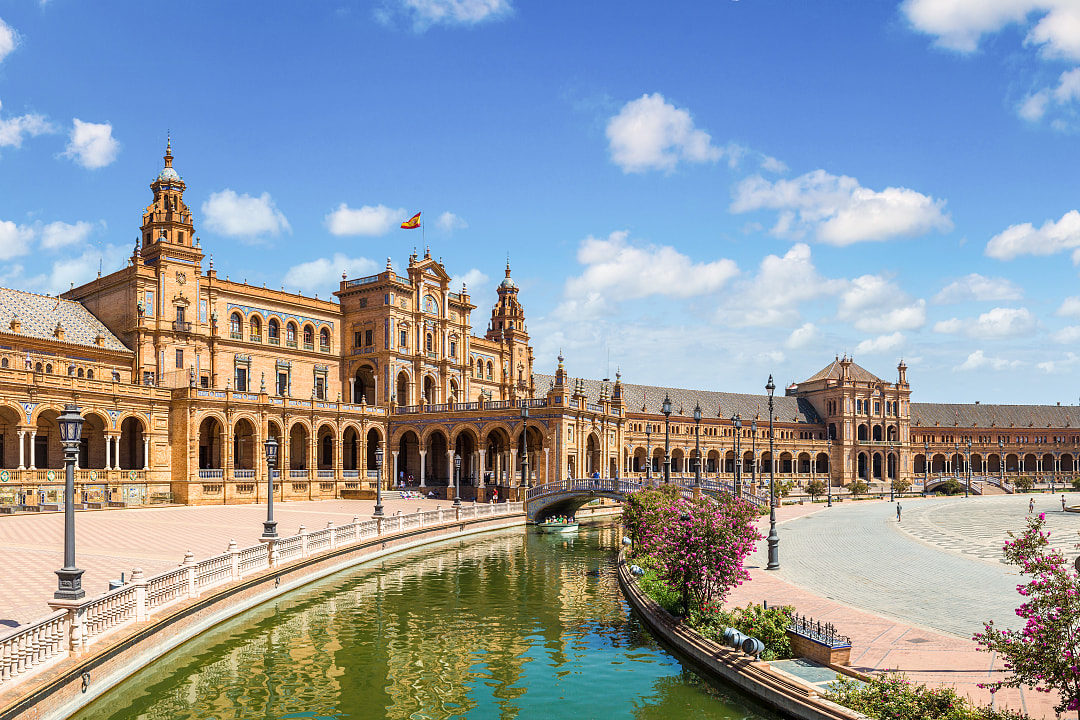
Plaza de Espana in Seville, Spain

From the cool hush of a Moorish palace to the crackle of paella over an open flame, Spain rewards you if you are willing to move beyond a single city or a single sense. Each region carries its own pace, whether that means the slow pour of a glass in La Rioja or the stamp and swirl of flamenco in Seville, and the richest private trips tend to weave several of these threads together rather than settling for just one.

With so many wonderful activities and things to do in Spain, a personalized itinerary will allow you to select the best options for you, and you can explore ideas with our Spain tours and vacations. You can also visit our Spain travel guide for inspirational and informative content to prepare yourself for your tour of Spain before connecting with our travel experts.

30,000+ Verified Traveler Reviews